BUYING
Buying a Holiday Home in Dubai: Safe & Simple Guide
Thinking about buying a place in Dubai? It can be a smart move, especially if you want a personal getaway that also earns income when you are not there. The idea of having your own corner in the city appeals to many investors and holiday seekers. Dubai's real estate scene offers plenty of opportunities, but knowing where to start makes all the difference. With the proper guidance and a clear plan, buying a holiday home here can be simple, secure, and rewarding. So let's understand how the process works and what to keep in mind.
Why Dubai?
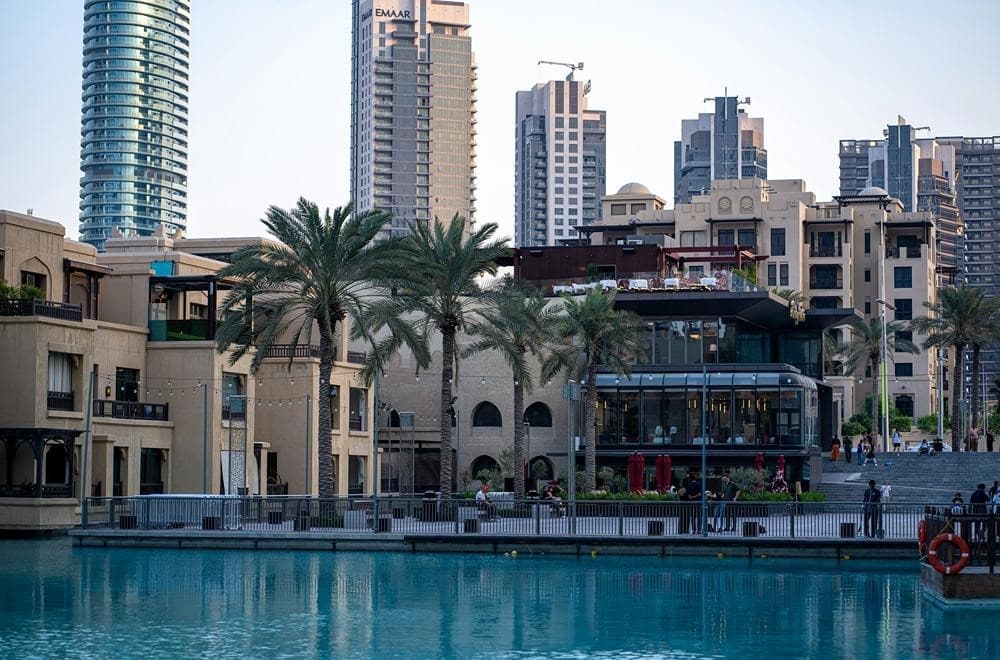
Let's be honest, the market is hot. People are moving here for good, and tourists keep arriving. That massive wave of global talent flowing into the city is not slowing down. This phenomenon is pushing up demand for permanent homes and short-term rentals.
We have seen some powerful numbers lately. Apartment prices jumped over 16% year-on-year, while villas soared by nearly 19%. That kind of consistent price rise is what makes investors sleep well at night. The main reason for this steady growth is limited supply in the best spots and a rapidly growing population. The government's goal to reach 5.8 million residents by 2040 is a clear sign that this growth is part of a long-term plan.
The figures for short-term rentals are even more compelling. According to a news report by EIN Presswire published by CBS 42, the holiday home market in Dubai has seen a 35% increase in licensed properties. The rental yields here can reach over 7%, far better than many major global cities. A studio in Downtown Dubai can yield over 8%. It is a compelling picture.
The UAE doesn't impose income or property tax, so whatever you earn from short-term rentals is entirely yours, aside from standard maintenance and service charges. Also, you only need to invest AED 2 million to get a long-term residency visa. This change has driven many international buyers seeking stability alongside their investments. When a country links residency to property ownership, it adds a massive layer of confidence to the market.
Legal Ownership for Foreign Buyers
The first thing to know is that not every part of Dubai allows foreign ownership. Only properties in freehold areas can be bought by non-UAE nationals. Thankfully, Dubai offers plenty of these, such as Downtown Dubai, Business Bay, Dubai Marina, Palm Jumeirah, Jumeirah Village Circle, and Arabian Ranches.
When you buy in a freehold area, you own the property outright. You can live in it, rent it, or sell it at any time. Ownership can also be passed on to heirs under UAE inheritance laws, which can be adjusted by a will registered with the Dubai Courts or the DIFC Wills Service.
Step-by-Step Buying Process
The buying process in Dubai is pretty simple once you know how it works.
Set your Purpose Clearly
So, what is the purpose of your purchase? Are you buying it purely as an investment or as a personal retreat? If you plan to rent it short-term, focus on high-demand areas near tourist attractions, such as Downtown Dubai or Dubai Marina. If it's mainly for your use, choose something that fits your lifestyle, not just market trends.
Get Pre-Approval (if you need a mortgage).
Foreigners can apply for mortgages in Dubai, though banks usually finance up to 65% of the property's value for non-residents. Having pre-approval helps you move faster when you find the right home.
Work with a Licensed Broker.
The Dubai Land Department (DLD) requires real estate agents to be RERA-licensed. It ensures your transaction is protected and transparent. Always verify your agent's credentials through the Dubai REST app or the DLD website before signing anything.
Sign the Sale Agreement (Form F).
This contract outlines the terms agreed between the buyer and the seller, including the price, payment method, and handover details. Both parties sign it at a DLD-registered trustee office, making the deal official and legally binding. It's worth reviewing the terms carefully before signing to ensure they align with your understanding.
Get the NOC (No Objection Certificate)
Before ownership can be transferred, the seller must obtain a No Objection Certificate (NOC) from the developer or the building management. This document confirms that all service charges and maintenance fees have been fully paid and that there are no pending issues related to the property. Once issued, the NOC serves as a green light for the sale to proceed.
Transfer Ownership.
After all payments and fees are cleared, the final step is transferring the ownership at the Dubai Land Department (DLD). This is where your purchase becomes official. You, the seller, and a DLD representative meet to complete the process, and once everything is verified, the property is registered in your name. Soon after, you'll receive the title deed, which serves as legal proof that the home now belongs to you.
Costs to Keep in Mind
Property prices vary by area and property type. Currently, average apartment prices in Dubai are around AED 1,400–1,800 per sq. ft, while villas average around AED 1,700–2,000 per sq. ft.
Beyond the purchase price, here's what else you'll need to budget for:
Dubai Land Department fee: 4% of the property value
Trustee office fee: AED 2,100 or AED 4,200 (depending on property value)
Agency commission: 2% of the property price (on average)
NOC (No Objection Certificate): AED 500–5,000 (depends on the developer)
Service charges: AED 10–50 per sq. ft annually, based on property type and amenities
Service charges can add up if your property offers facilities such as pools, gyms, and concierge services. Always check the developer's annual maintenance rate before committing.
Best Areas to Buy a Holiday Home in Dubai
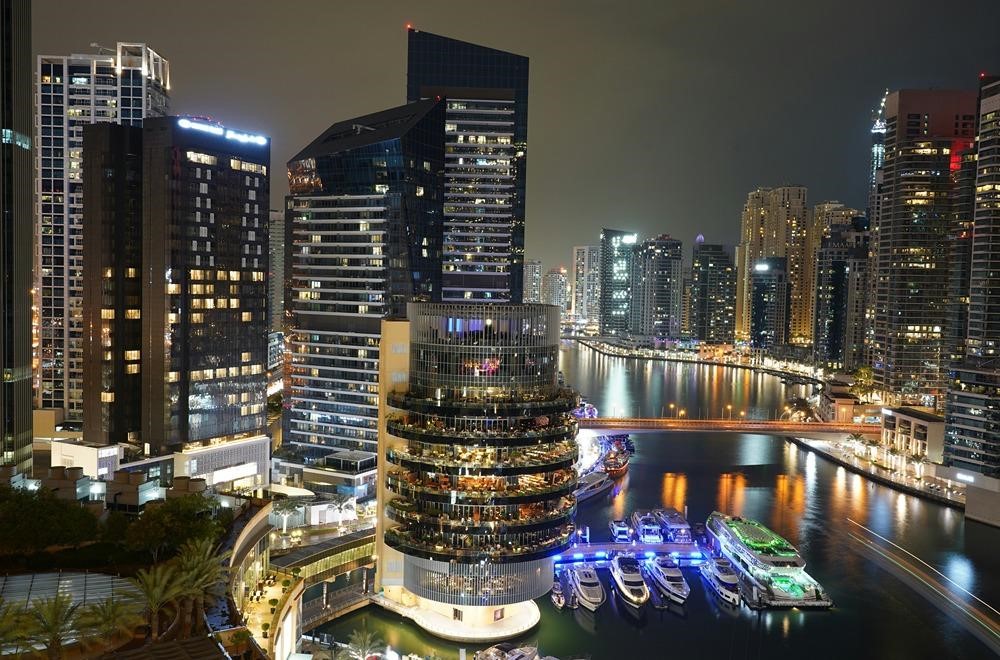
Dubai offers plenty of options, but some areas stand out for holiday homes due to their location, rental appeal, and convenience.
Palm Jumeirah
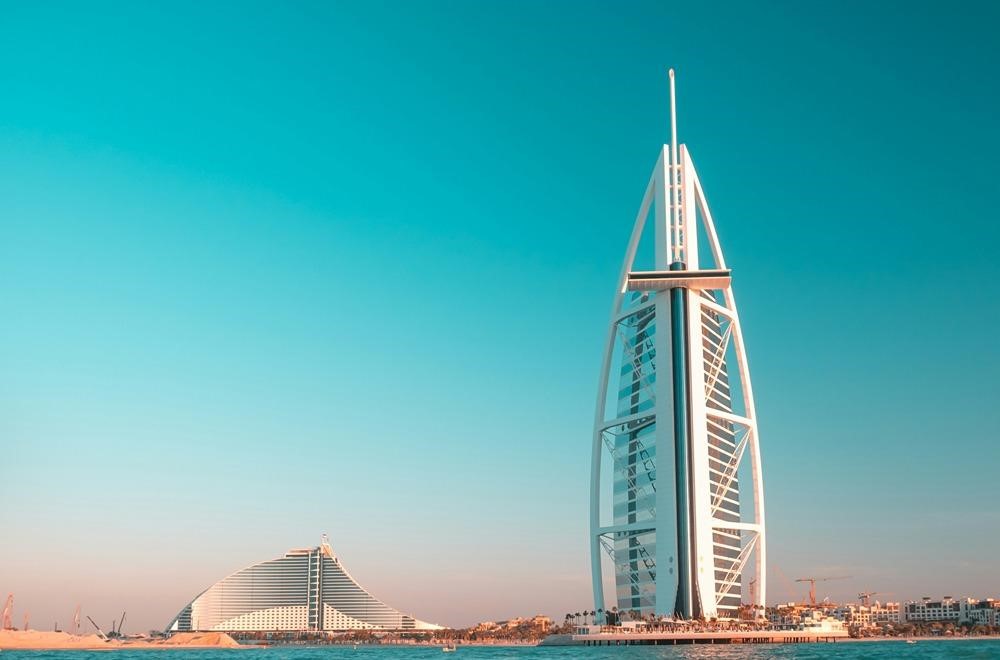
The classic symbol of luxury living in Dubai. Villas and apartments here come with private beaches, sea views, and unmatched privacy. Properties on Palm Jumeirah command the highest short-term rental returns due to constant tourist demand.
Downtown Dubai
If your idea of a holiday home is waking up near the Burj Khalifa or Dubai Mall, Downtown is the spot. It's lively, walkable, and one of the most in-demand spots for holiday rentals.
Dubai Marina
Lively, waterfront, and full of energy. The Marina is packed with restaurants, cafés, and nightlife, all set against a beautiful skyline and marina views. The tram and metro make getting around effortless, which makes it a favourite among visitors.
Jumeirah Beach Residence (JBR)
Right by the beach, JBR offers direct access to The Walk and The Beach. Holiday homes here stay in demand year-round, making it a strong choice for consistent rental income.
Jumeirah Village Circle (JVC)
A more budget-friendly option that still delivers great returns. JVC offers a quieter lifestyle without feeling too far from the city's main attractions. Its central location makes it easily accessible to old and new Dubai, which keeps it appealing to investors and long-term guests alike.
Short-Term Rental Rules
Dubai allows homeowners to rent out their properties for short-term stays, but there are rules.
You need a holiday home license from the Department of Economy and Tourism (DET) in Dubai. You'll also need to register as an individual operator through the DET's Holiday Homes section online. During registration, you'll choose the "Homeowner" option and submit a few basic documents (a copy of your Emirates ID or passport) along with property details. The registration fee is AED 1,500, plus AED 10 each for the knowledge and innovation fees. Once approved, you'll receive your license and can legally start renting.
A few quick notes:
- You can manage the property yourself or hire a licensed holiday home operator.
- Your home must meet safety and furnishing standards set by the DET.
- Fines apply if you operate without a valid permit.
Short-term rental yields in Dubai can range from 6% to 10% annually, depending on the area, property type, and seasonality.
Common Mistakes to Avoid
It's easy to get carried away when browsing glossy listings. Many first-time buyers overlook small but important details.
- Some buyers skip checking service charges and end up paying more than expected.
- Many buyers fail to assess rental potential and end up purchasing in areas with low demand.
- Others overlook resale flexibility, making it harder to sell later.
What to Do Instead:
- Buy in an established area with high liquidity to protect your investment.
- Ensure the property has a clean title deed to avoid legal complications.
- Verify that the developer or seller has cleared all outstanding dues to ensure a smooth transfer process.
Conclusion
Buying a holiday home in Dubai is more achievable than most people think. The process is clear, the market is well-regulated, and the returns can be impressive if you choose wisely. Areas like JVC offer strong rental yields, while Downtown offers the central-city lifestyle many buyers seek. With the right agent and some careful planning, owning a home in Dubai can become a smooth and rewarding experience.
Start your search with a team that understands Dubai's market inside out. Contact us today, and we'll help you find a holiday home that fits your goals, your lifestyle, and your budget.