
BUYING
Interest Rate Hikes & Dubai Property Buyers
Interest rates have a quiet but powerful way of shaping how people approach the Dubai property market. A slight shift can change what someone pays every month, how much they can borrow, or even how confident they feel about taking the next step. Dubai's real estate scene has been growing nonstop over the past few years, and buyers are watching rate movements more closely than ever.
When rates rise, nothing suddenly flips upside down. But people do start recalculating monthly budgets, property sizes, and repayment comfort. Understanding how these shifts work makes the entire buying process feel more transparent and more predictable.
What Interest Rate Hikes Mean

Rate hikes begin with changes in the US Federal Reserve, and since the UAE dirham is pegged to the US dollar, local lending rates follow the same direction. When the benchmark rate rises, banks adjust the cost of borrowing by raising variable rates. A higher rate means a higher cost for borrowing money. It doesn't change the property's value, but it does influence the monthly instalment and the total interest paid over the loan term. Buyers feel the difference most clearly when the new rate applies to variable-rate mortgages.
How Rate Hikes Affect Monthly Payments
A rise in interest rates changes the way monthly payments look, even when the loan amount hasn't changed. The instalment increases because a bigger portion goes toward interest. The jump might feel small at first, but over the full length of a mortgage, it becomes noticeable. A slight increase in the rate can add a few hundred dirhams to the monthly payment, and when you stretch that across 20 or 25 years, the difference adds up.
Buyers who plan long-term usually take a moment to adjust their budgets. They run fresh numbers, assess where the instalment sits within their income, and ensure the payment stays comfortable.
Some banks make this easier by offering short fixed-rate periods. These fixed phases keep the rate steady for a year or two, so buyers get time to settle into their mortgage before moving back to a variable rate that follows the market. It's a simple way to ease into the commitment, especially during times when rates move more than usual.
Impact on Loan Eligibility and Borrowing Power
Banks look at your overall financial picture when deciding how much they can lend. They check how much you earn, what you spend each month, and whether the loan meets local lending guidelines. These calculations shift when interest rates rise. The loan amount that once fit comfortably within someone's income now supports a slightly smaller approval, simply because more of each installment goes toward interest.
A buyer who qualified for a specific loan size a year ago might see a lower number today, even though nothing about their income or spending has changed. It's just the natural result of a higher-rate environment, where the cost of borrowing adjusts, and banks follow suit.
This is why buyers take pre-approvals more seriously during periods of rising rates. It gives them a fresh and realistic picture of their borrowing range before they spend time comparing properties. A clear pre-approval helps set expectations, avoids surprises later, and keeps the search focused on homes that truly match the updated budget.
Influence on Property Choices
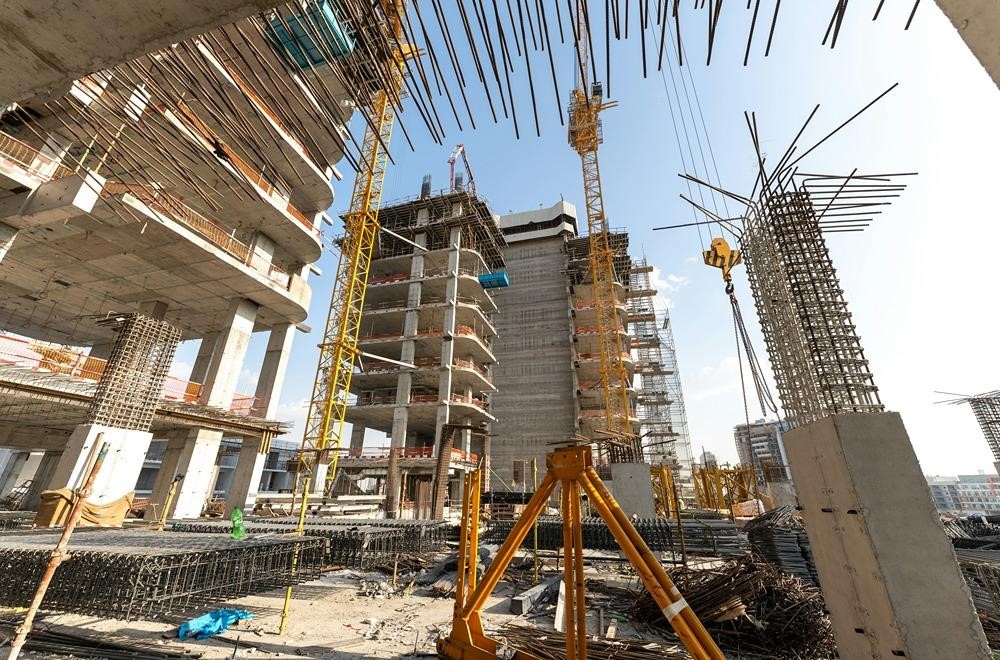
Interest rate hikes don't usually stop buyers from moving forward, but they do shape the type of properties people consider. Some buyers take a fresh look at the unit size they want. A slightly smaller layout or a more efficient floor plan can fit better within a revised budget when rates rise. Others explore communities where service charges, maintenance costs, and long-term expenses stay at a level that feels easier to handle over the years.
Another common approach is choosing a longer mortgage term. Extending the repayment period spreads the instalments over more years, which softens the immediate impact of higher rates. It's a simple way to keep the monthly flow steady while still securing the property you're considering.
These shifts aren't about giving up on your goals. They help you plan with more clarity. Buyers make minor adjustments to keep the commitment manageable, especially in a market that stays active and continues to move. Even with rate changes, many buyers remain on track because Dubai's overall market strength balances out the short-term rise in borrowing costs.
Effect on Investor Decisions
Investors react to rate hikes in their own way, and it's often very different from how end users respond. Their attention naturally shifts toward rental income and overall yield, as those factors drive their long-term returns. When borrowing becomes more expensive, they start looking more closely at how rental earnings line up with mortgage payments. It's less about the instalment itself and more about the balance between what comes in and what goes out.
Some investors lean toward communities where rental demand stays strong year-round. A steady flow of tenants keeps their numbers stable, even as interest rates rise. Others take a step back and rework their net yield calculations to make sure a property still fits their plans.
Higher rates rarely push investors out of the market. As long as rental income remains healthy and occupancy stays solid, the investment continues to make sense. The only real change is in how each opportunity is assessed. Investors become more detailed, more selective, and far more focused on long-term performance.
Things Buyers Should Consider
Higher rates can change how you look at things, but a few practical considerations can keep the process moving smoothly.
Review Budget
A steady look at your monthly affordability goes a long way. When rates climb, instalments increase slightly, and that extra amount needs to sit comfortably within your income. Many buyers take a moment to review their regular expenses, assess where the mortgage fits, and adjust their limit accordingly. It keeps the commitment realistic and avoids any pressure later.
Choose Between Fixed and Variable
Every buyer has a different comfort zone. Some prefer a short fixed-rate period because it provides stability as they settle into the loan. Others don't mind starting with a variable rate from day one. There's no single correct approach. Understanding how each option behaves makes the choice easier and helps you commit to something that feels right for your situation.
Increase the Down Payment
Adding more to the down payment can soften the impact of higher rates. A smaller loan means a smaller monthly instalment, and that difference adds up over the years. Buyers use this approach when they want to stay within a specific repayment range without changing the type of property they're targeting.
Look at Rental Trends
Investors pay close attention to rental activity during high-rate periods. Strong demand can help balance the increase in borrowing costs. When occupancy remains steady and rental returns hold, the investment continues to make sense even when rates rise. Studying community trends, average rents, and vacancy patterns gives a clearer picture of long-term performance.
Why Dubai's Market Stays Resilient
Dubai's property market handles rate increases better than many people expect. A big part of that stability comes from steady demand. The city attracts new residents, long-term investors, and overseas buyers who see Dubai as a safe place to invest in real estate. Population growth feeds that demand even further, and the market rarely stays quiet for long.
Many investors focus on long-term value rather than short-term rate changes. As long as rental demand stays healthy and occupancy remains strong, they continue buying and holding property without feeling pressured by temporary borrowing costs. This behaviour adds stability, helping the effect of rate hikes feel less heavy.
Developers contribute to that stability, too. Off-plan projects offer flexible payment plans that spread payments across construction phases. These plans take some of the weight off buyers who prefer to delay their mortgage until handover. It creates breathing room and lets buyers move forward even when bank rates rise.
All these elements working together keep the market moving. Rate hikes may slow certain decisions, but they don't shake buyers' overall confidence in Dubai's long-term outlook. The fundamentals stay solid, and that's what keeps the market resilient.
Conclusion
Interest rate hikes shape how buyers think about financing, but they don't eliminate the possibility of owning property in Dubai. Once buyers understand how higher rates influence monthly payments, borrowing capacity, and the types of properties that fit their budget, the entire process feels more predictable. They make minor adjustments, revisit their numbers, and look at communities that align with their updated plans. Instead of feeling pressured by rate changes, they approach the decision with a clearer view of what works for them. All of this keeps the buying journey steady, even when the lending environment shifts.
Planning a purchase in Dubai during a high-rate period becomes much easier with the proper guidance. Our team can help you understand your options, compare communities, and choose a property that aligns with your long-term goals.
Contact us, and we'll walk you through the process with clear steps and steady support.