BUYING
Is Dubai Property Still Worth Buying in 2026?
Dubai real estate has a way of pulling people into debate. Rents have risen, prices have moved quickly for a period, and new projects are being launched across different parts of the city. More people are arriving for work, setting up businesses, and planning longer lives in Dubai, which naturally brings the question. Does buying property in Dubai still make sense at this stage, or has the market already moved ahead?
This blog looks at Dubai real estate through the factors that influence real decisions today. Population growth, rental demand, supply reaching completion, mortgage access, and policy rules all affect how the market behaves. Some of these point toward opportunity, others call for careful thinking. Understanding how they connect helps clarify not just whether to buy in 2026, but why that decision may or may not fit individual plans.
What Has Changed in Dubai’s Property Market Since 2020
The last few years reshaped Dubai’s property market in subtle but important ways. Changes in who moved to the city, how long they planned to stay, and what they expected from a home played an equal role. Looking back at the period from 2020 onward helps explain why the market in 2026 feels more measured and why buyer decisions today follow a different logic than they did before.
New Residency and Investor Rules Made a Difference
Dubai made it easier and more transparent for property buyers to obtain long-term residency linked to real estate. One well-used route today is the real estate-linked Golden Visa. To qualify for a 10-year residency visa, a buyer must invest at least AED 2 million in property. There are also shorter residency options through smaller investments, as low as AED 750,000 for a two-year visa. Beyond visas, Dubai also offers 100% foreign ownership of property in freehold zones such as Palm Jumeirah, Downtown Dubai, and Dubai Marina. People who know they can live here for years are more likely to buy a home that aligns with their long-term plans.
Supply Moved from Plan to Delivery
Developers announced hundreds of thousands of units planned for delivery in 2025 and 2026, but not all of those reached handover on schedule. According to Khaleej Times, Dubai added around 44,000 new homes in 2025, contributing toward a broader goal of nearly 300,000 new units by 2028. Even with that pipeline, many units didn’t reach buyers’ hands immediately. Some communities saw deliveries spread out through the year. Other areas saw more significant new stock, but overall citywide supply did not flood the market all at once. That pacing helped absorb new homes more naturally against rising demand.
Borrowing Costs Shaped Buyer Choices
After global rate increases in 2022–23, mortgage costs in the UAE also climbed. By late 2025, many local banks were offering rates of about 4.5% to 5.5% for qualified buyers, with fixed and variable options available. Those rates were lower than the highs seen earlier in the cycle. More competitive pricing encouraged buyers who had paused to reconsider their options. Some adjusted expectations and chose smaller homes with manageable repayment periods. Others focused less on quick price gains and more on steady rental income and long-term ownership.
All of these changes reshaped how the market works today. The buyer base widened, demand became more consistent, and decisions slowed compared to earlier cycles. It was not just about price movement, but about how people started thinking longer term about homes and planning. That shift made policy, supply timing, and financing far more critical in shaping the market now.
Population Growth Still Drives Demand
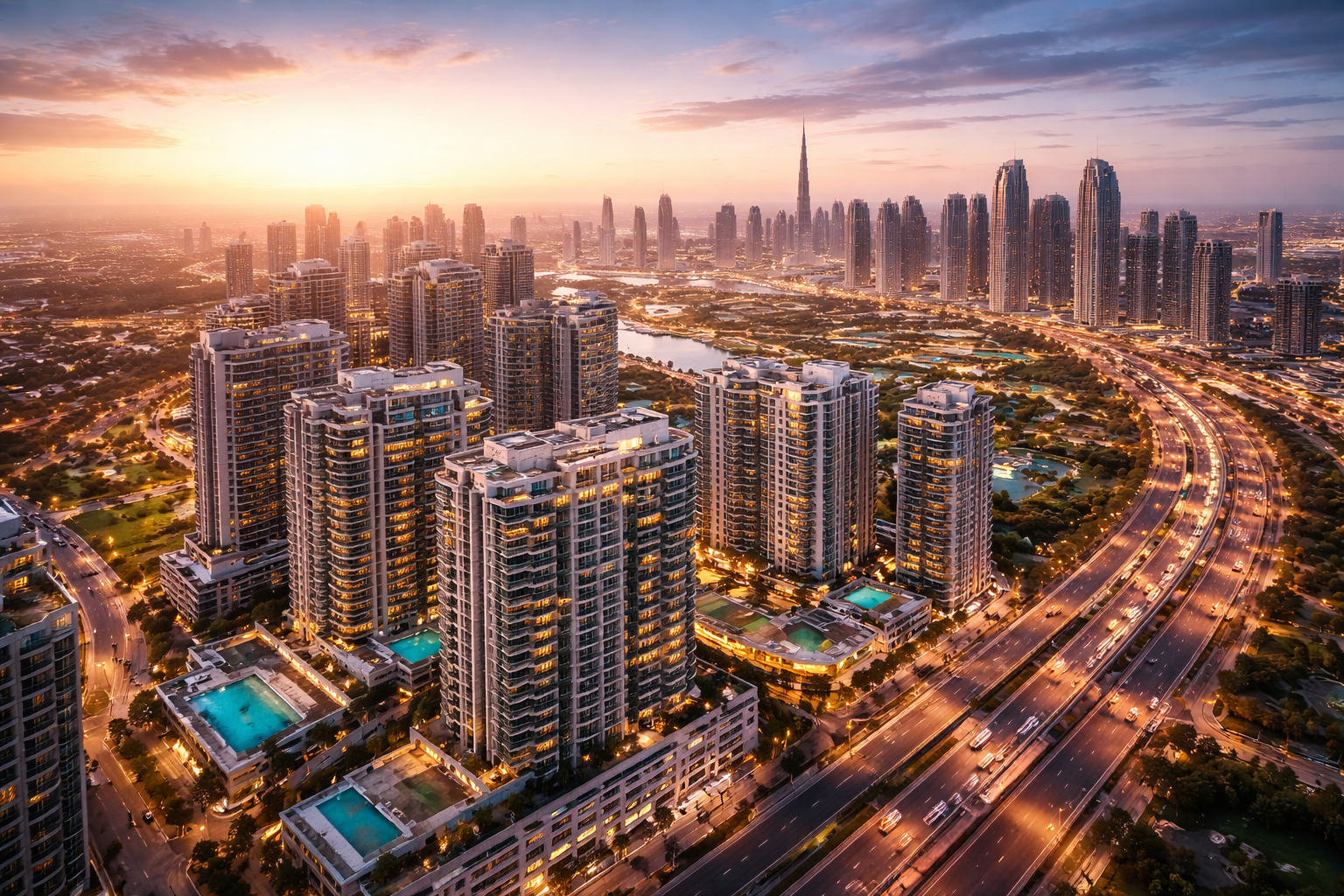
Housing demand starts with people, and Dubai keeps drawing them in. The city’s population crossed 4 million in 2025. Dubai's 2040 Urban Master Plan aims to reach a population of 5.8 to 7.8 million residents as jobs in technology, logistics, finance, tourism, and healthcare attract new arrivals. Rental demand usually rises first as people settle into work and daily routines, then buying activity follows after a year or two, once plans feel clearer. That pattern will remain visible in 2026. Smaller household sizes, such as studios and one-bedroom apartments, fill quickly in well-connected areas. At the same time, families look toward townhouses and villas in outer communities where space and schools matter more. Demand spreading across different property types helps the market absorb new supply and maintain steady activity.
Rental Yields Still Compare Well Globally
Rental income is a key reason investors consider Dubai. Across the city, average gross rental yields range from 6% to 8%, depending on the area and property type. Some newer communities offer even higher returns due to competitive purchase prices. By comparison, prime European cities rarely move beyond 4%, and many major Asian markets sit lower, which keeps Dubai well ahead on yield alone. Tax rules add to that advantage, since rental income is not subject to income tax and there is no annual property tax. Service charges are the main ongoing cost, one that remains visible and predictable.
Reading Supply Signals for 2026
Recent market analysis points to a sizeable construction pipeline ahead. A study by Dubai Property News indicates that around 200,000 to 300,000 new homes are scheduled to be delivered by 2028, with a meaningful share expected to reach completion during 2026 and 2027.
Delays, phased completions, and staggered releases usually pull the actual number lower. Population growth is expected to keep absorbing a large share of new homes, especially in areas that already support daily living and steady rental demand. Replacement demand will also continue as tenants move out of older buildings into newer developments. Supply in 2026 is likely to spread across price points, with attention-grabbing luxury projects forming only part of the total, and a meaningful portion landing in mid-range and more affordable segments.
Mortgage Access Remains Stable
Financing plays a key role in how buyers act in the market, and Dubai enters 2026 from a relatively steady position. Mortgage rates followed global increases after 2022, and local borrowers felt the impact. But pricing eased slightly by late 2025, so monthly payments became more manageable for some buyers. Banks have kept conservative loan-to-value rules in place, with first-time buyers typically able to borrow up to 80% of the value of homes priced below AED 5 million. Approval standards remain firm, so buyers need a stable income and clear paperwork, yet those who meet the criteria secure financing without major obstacles. That steady lending approach helps demand grow at a controlled pace and reduces the risk of sharp price swings.
Policy Support Helps the Market
Government policy works in the background and has a real influence on how confident buyers feel. Long-term residency options give homeowners more security about living and working in the city. Business setup reforms attract entrepreneurs, and ongoing infrastructure spending improves access across established and newer areas. Rules set by the Dubai Land Department have increased transparency, with escrow requirements protecting buyer funds and digital systems. Policy changes tend to be gradual and predictable, which allows buyers and investors to plan ahead without worrying about sudden shifts.
Price Direction in 2026
Most market forecasts point toward flat pricing or low single-digit growth in established areas, with some upside in newer locations as infrastructure improves and occupancy builds. Significant price drops appear unlikely without a wider economic shock, since mortgage rules, buyer profiles, and structured payment plans limit short-term speculation. Cash buyers account for a large share of deals. A growing number of end users also adds stability. In 2026, pricing appears less driven by quick appreciation and more by everyday use and rental income.
Risks Buyers Should Consider
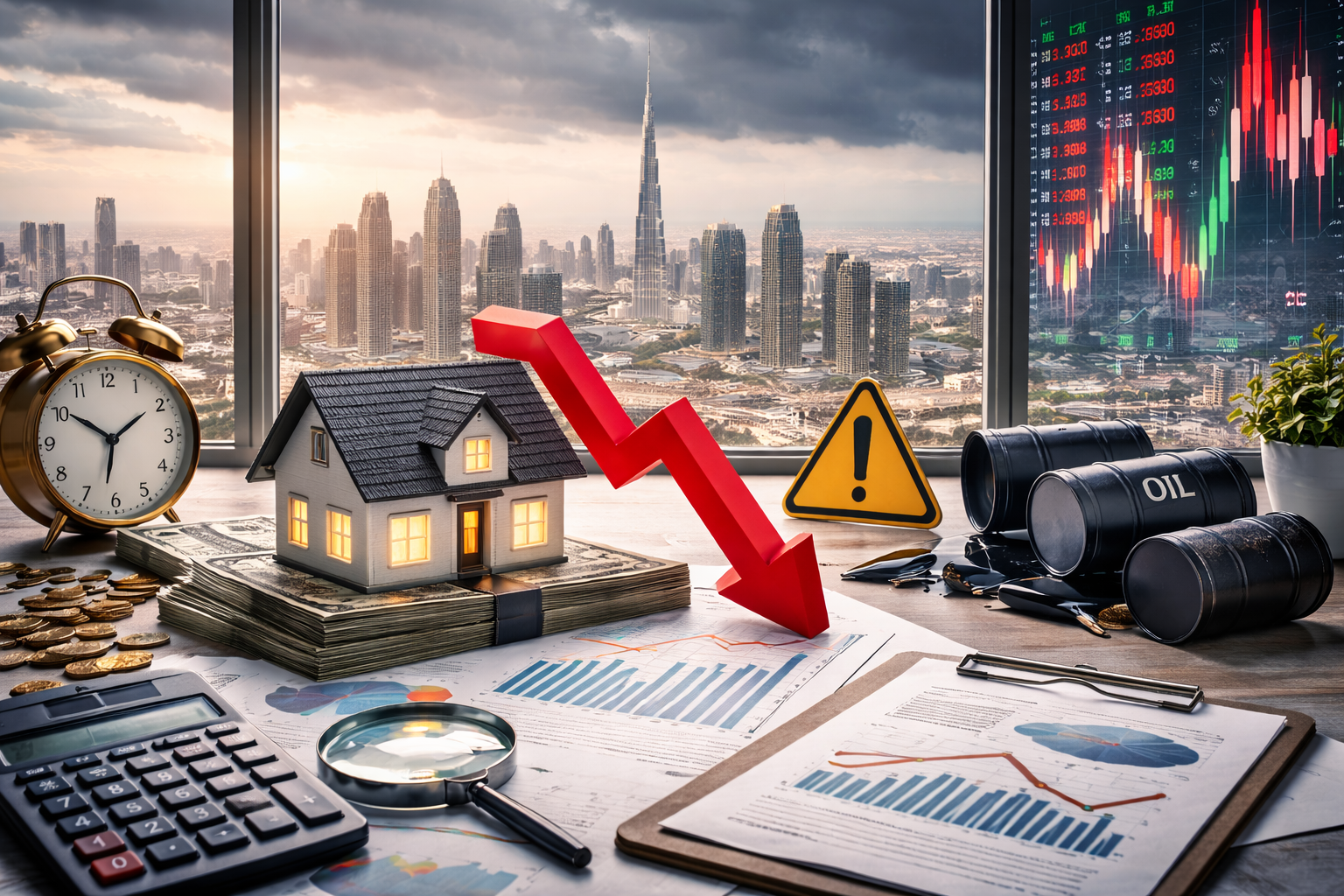
Every property decision carries some level of risk, and recognising those risks early can shape better outcomes.
- Global economic slowdowns can affect job creation and housing demand across rental and sales markets.
- Changes in oil prices can influence regional liquidity and investor confidence.
- Interest rate movements affect borrowing capacity and monthly mortgage costs.
- Poor project or location choices can lead to weak rental demand and slower resale activity.
- Ignoring service charges can reduce net returns even when rental income appears strong.
Is Dubai Real Estate Still a Good Investment in 2026?
Dubai property in 2026 looks different from the fast boom years. The market feels balanced, with demand closely tied to population growth and everyday housing needs. Rental yields still hold up well by global standards, with financing kept in check and policy support working in the background. Returns appear steadier rather than dramatic, and the risks are easier to see and plan around.
The reason to buy in 2026 comes down to control and clarity. End users can fix their housing costs, and investors can focus on areas with steady tenant demand and predictable returns. Prices may not jump sharply, but the trade-off is visibility. Buyers can see where demand comes from and how a property is likely to perform. In 2026, Dubai rewards buyers who buy with a reason, take their time, and choose homes people genuinely want to live in.
Buying property in Dubai is better supported by clear facts and local context. Contact us to discuss neighbourhood options, current prices, and realistic rental returns based on your plans for 2026.