BUYING
Is Buying Property in Dubai Safe for Foreigners?
Buying property in another country can feel like walking into unfamiliar territory. You’ve probably heard stories about paperwork nightmares, unclear laws, or buyers getting stuck in deals they didn’t fully understand. But Dubai plays by a different set of rules. Over the last two decades, it has quietly built one of the most transparent and secure real estate markets in the region, especially for foreign investors. Let’s understand why so many investors feel confident investing in Dubai real estate, and what savvy buyers pay attention to.
Foreign Ownership in Dubai
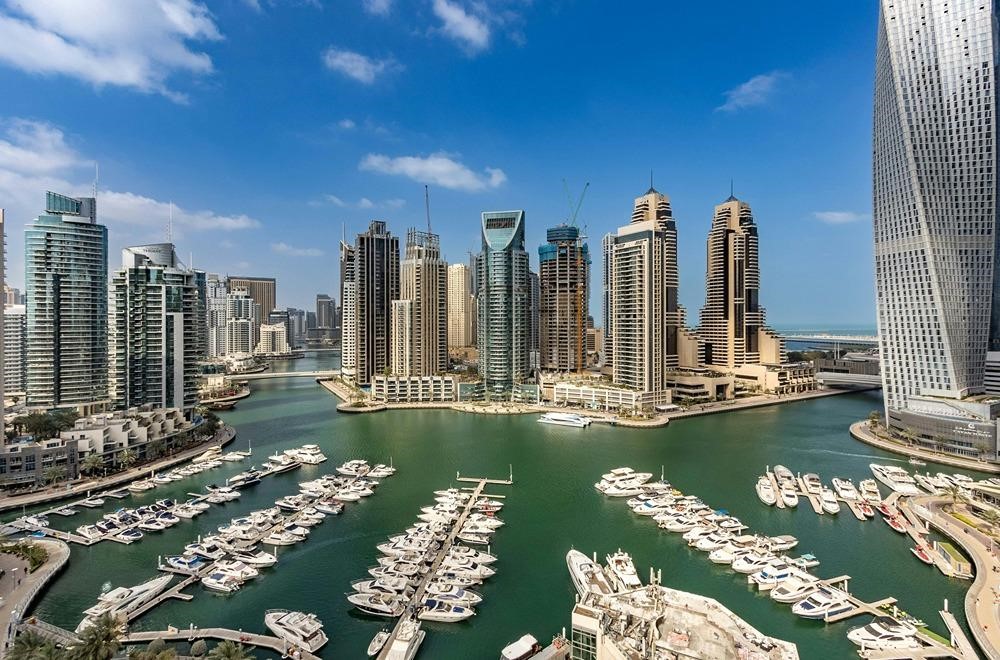
Back in 2002, Dubai made a bold move when it opened its doors to foreign property ownership. That single decision changed the city’s skyline and gave its economy a considerable boost. Today, foreign nationals can legally buy, sell, and lease property in specific freehold areas across the city. These include well-known spots such as Downtown Dubai, Business Bay, Dubai Marina, Palm Jumeirah, Jumeirah Village Circle, and several others.
Owning a home in these areas gives you complete ownership rights. Your name appears on the title deed, not a local sponsor’s, which offers peace of mind to anyone investing from abroad. The Dubai Land Department keeps everything in check by recording every sale, transfer, and mortgage in a centralised system. That level of documentation helps keep transactions transparent and reduces the risk of disputes or fraud.
Is the Legal System Buyer-Friendly?
A lot of people get nervous about buying property in Dubai because they’re not sure how the legal side works. Honestly, that’s fair because you’re putting a lot of money on the line. But Dubai’s system is surprisingly solid. The Real Estate Regulatory Agency (RERA) plays a major role here, keeping developers and brokers in check to ensure fair operations.
Developers can’t just start selling apartments whenever they feel like it. They have to be approved first, and their projects are closely monitored. If you’re buying a property that’s still under construction, your payments don’t directly go into a developer’s account. The money is placed in an escrow account and released only when actual progress is made on the site.
If a developer fails to deliver or misuses funds, RERA steps in to resolve the issue. You can even track project updates and verify developer registration on the Dubai Land Department’s website. It’s a system built to keep buyers informed, protected, and confident in every step of the process.
Title Deeds and Property Registration
Here’s the part that really shows how organised Dubai’s property system is. When you buy a home, your ownership is officially recorded under your name with the Dubai Land Department. You’ll get a title deed that proves the property is yours. It’s more than just a document; it’s what protects your rights as an owner.
Everything happens online now, from payments to registration. The process is smooth, secure, and handled through verified channels, so you don’t have to worry about shady transfers or missing records.
It’s one of those details that gives foreign buyers a lot of peace of mind. You can see exactly where your property stands, and the system keeps your ownership safe and traceable.
Can You Buy Without Living in Dubai?
Absolutely. Many foreign investors purchase property while living abroad. You don’t need a UAE residency visa to buy. In fact, owning property in Dubai worth at least AED 750,000 can make you eligible for a renewable investor visa. If you’re overseas, you can authorise someone through a Power of Attorney to handle the process. Many developers and agencies even facilitate digital property transactions. From signing the sale agreement to registering your property, most of it can be done online without setting foot in Dubai.
Financing as a Foreigner
You don’t have to live in Dubai to get a mortgage here. Banks do offer loans to non-residents, though the rules are a little tighter than for locals. In most cases, foreign buyers can get financing for up to 65% of the property’s value, depending on their income and the country they live in. The down payment is usually higher for non-residents, but the overall process is fairly straightforward once your paperwork is in order.
Major banks such as Emirates NBD, Mashreq, and HSBC regularly work with international investors. There’s a bit of paperwork involved (bank statements, proof of income, ID copies), and it can feel slow at times. But that’s mostly because banks here are cautious. They’ll run their own property valuation before finalising the loan, which actually helps you avoid overpaying. It’s part of the system that protects both you and the lender.
Common Real Estate Scams
Scams in Dubai’s property market are pretty rare, but it’s still smart to stay cautious. The rules here are strict, and the penalties are tough, so when scams do happen, they don’t last long. However, a few people try their luck, often targeting buyers new to the process.
Here are a few things to watch out for:
Fake listings: Sometimes, you’ll see a property online that looks perfect until you find out it doesn’t actually exist or was sold months ago. Always double-check listings through trusted property websites or go straight to the developer or agency to confirm it’s real.
Unlicensed brokers: Real agents in Dubai must be registered with RERA and have an official Broker’s ID card. Ask to see it. If someone avoids showing it, walk away immediately. You can confirm their license on the Dubai Land Department’s website.
Deposit scams: Never send deposits or payments to someone’s personal bank account. Legitimate companies use verified business or escrow accounts. It’s one of the safest ways to protect your money.
Fake ownership claims: In rare cases, scammers pretend to own a property and try to “sell” it. Always check the title deed through the Dubai Land Department before signing or transferring funds.
Rental traps: Some people advertise properties for rent even though they don’t have the right to do so. Make sure any lease is registered with Ejari, which confirms that the property and landlord are legitimate.
Why So Many Foreigners Are Buying in Dubai
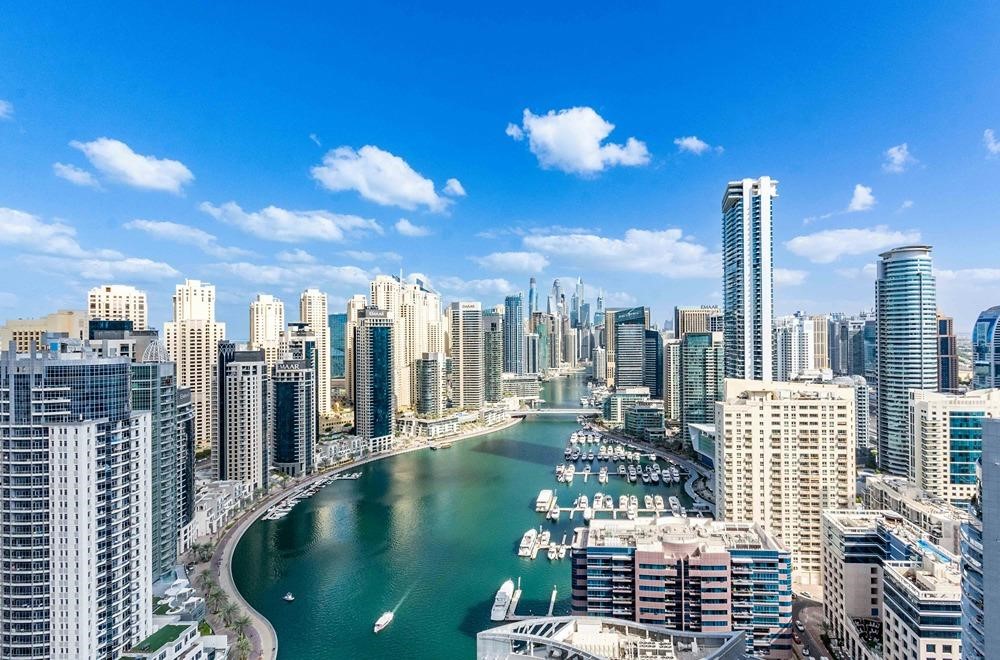
It’s pretty clear why so many foreigners are investing in Dubai. The city has managed to offer something that many global markets can’t. Property ownership is tax-free, rental returns are strong, and the infrastructure is top-notch. In popular areas, rental yields usually range from 6% to 8%, and sometimes even higher. When you compare that to cities like London or New York, where returns are closer to 3% or 4%, the difference speaks for itself.
The lifestyle is another big reason people buy here. Dubai is safe, well-organised, and full of opportunities. It has modern healthcare, great schools, and a community made up of people from all over the world. Many investors start with a single apartment and, once they see how steady the returns are, often decide to grow their portfolio. It’s the mix of stability and comfort that keeps buyers coming back.
Conclusion
Buying property in Dubai as a foreigner is safe and straightforward, as long as you stay informed and follow the process carefully. The system is built on transparency and regulation, with plenty of safeguards in place to protect buyers. However, stay alert and understand what you’re signing up for, as a bit of awareness goes a long way. Over the years, Dubai’s property market has grown into one of the most reliable in the region, backed by clear rules, efficient procedures, and strong government oversight. That’s why so many foreign buyers feel comfortable investing here and see it as a secure place to grow their wealth.
Looking to buy property in Dubai but not sure where to start? Talk to our property experts today and make your investment journey simple, secure, and stress-free. Contact us.