
BUYING
What Is Property Snagging in Dubai & Why It Matters
Buying a property in Dubai usually feels like a personal milestone worth celebrating properly. Keys finally land in your hand, the place smells new, and that quiet walk through an empty living room triggers instant plans. But sometimes reality shows up shortly after that first walk through the door. A tile shifts slightly under your foot, a door needs extra effort to close, and the AC pushes warm air when cooling matters most. Each problem feels minor on its own, yet together they drain the excitement and turn into costs when left alone.
Property snagging exists because these moments happen more than people expect. It is not a fancy extra or an unnecessary step added to the process, but a sensible move that protects hard-earned money and saves a lot of frustration later.
So let's understand what property snagging is and why it matters in Dubai’s real estate.
What is Property Snagging?
Property snagging means taking the time to go through a property properly before final handover or just after getting the keys. The idea is to find the issues, write them down, and have the developer fix them before anyone settles in or signs everything off. Some problems stand out right away, like cracked tiles, uneven paint, or skirting that looks rushed. Others stay out of sight unless someone checks carefully, such as weak water pressure, nonworking sockets, or AC ducts leaking above the ceiling.
Snagging exists because new homes in Dubai are built under pressure and at scale. Workers focus on finishing, not on living in the space the way an owner eventually will. Small details get missed during those final stages, not out of carelessness but because speed takes priority. A snagging check slows things down at the right moment and looks at the home the way a future resident would. Catching those issues early keeps them from becoming long-term annoyances or repair bills that should never land on the owner in the first place.
Why does Snagging Matter in Dubai?
Dubai sees tens of thousands of property handovers every year, and a big portion of those homes are sold off-plan. Data from the Debt Management Office(DMO) shows 270,000 sale transactions worth AED 917 billion, which speaks volumes about how fast things move here. With numbers like these, skipping snagging stops making sense, because responsibility quietly shifts in the wrong direction. Issues that should be fixed by the developer end up landing on the owner.
Most developers offer a defects liability period of around 12 months. But real life plays out differently. Requests move slowly, emails go back and forth, and follow-ups drag on longer than anyone expects. A few issues get sorted after repeated chasing, and others slowly disappear into silence with no clear outcome.
Snagging before final acceptance keeps control on the buyer’s side, where it actually belongs. The property is still under the developer’s watch, and issues tend to get fixed faster when handover approval has not yet given. After the keys are collected and the paperwork is done, that control slips away quickly. At that stage, snagging no longer feels like an extra step but becomes something that should have been done without question in Dubai’s property market.
Common Snagging Issues Found in Dubai Properties
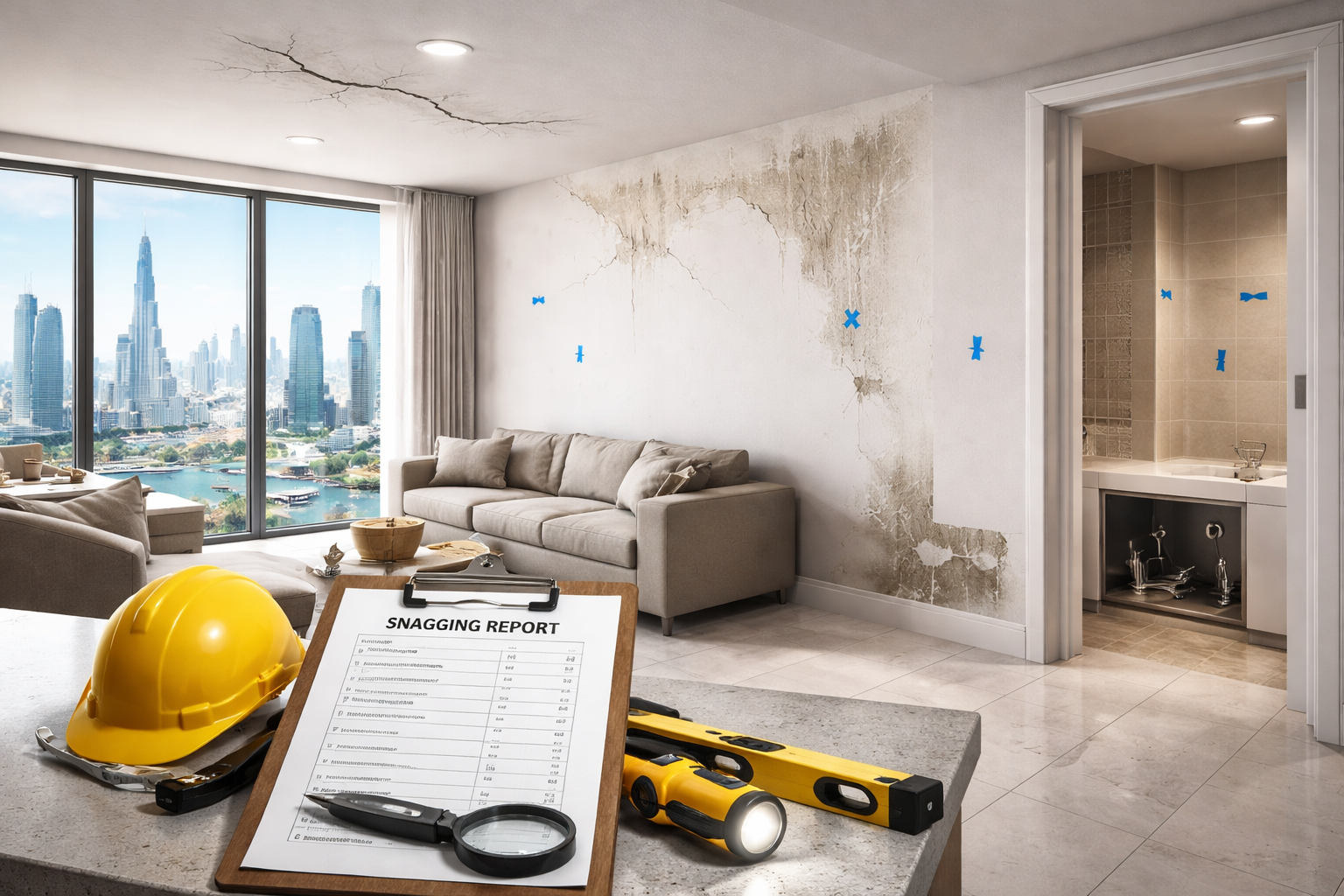
No two units turn out exactly the same, even inside the same building, yet certain problems keep showing up during snagging checks across Dubai.
- Uneven tiles in bathrooms and balconies are common, with grout gaps that make finishes feel rushed rather than clean.
- Paintwork raises concerns due to visible roller marks, mismatched wall shades, and recurring cracks around corners.
- Doors and wardrobes cause daily annoyance when hinges make noise, panels scrape against frames, or sliding doors stop halfway.
- Bathrooms hide bigger problems like leaks under sinks, poorly applied silicone, and drainage that sends water in the wrong direction.
- AC issues become hard to ignore in Dubai, especially weak airflow, noisy vents, inaccurate temperature readings, and cooling that struggles during peak summer heat.
- Electrical points fail to meet expectations due to loose sockets, unresponsive switches, and incorrectly wired data ports.
Each issue on its own feels manageable. Put together, they affect daily comfort and livability. Fixing them after moving in takes more time, more effort, and more money than dealing with them early through proper snagging.
Who Should Care about Snagging?
Property snagging is not aimed at one type of buyer. It affects different people in different ways.
End Users Living in the Property
End users feel the impact straight away and then keep feeling it every single day. Small defects wear down patience faster, especially when they occur during everyday routines. A door that never closes properly or a light that flickers for no reason slowly takes the comfort out of a new home and replaces it with constant irritation.
Investors Planning to Rent
Investors have just as much at stake, even if they don't live in the unit. Rental value depends heavily on condition, and tenants notice flaws immediately during viewings or within the first few days of moving in. Complaints start coming in, maintenance gets involved earlier than expected, and costs begin adding up far sooner than planned.
Buyers Thinking about Resale Later
Snagging also helps you when the time comes to sell. Properties with clear records of issues spotted and fixed tend to move along more smoothly. Buyers feel more at ease when they can see that problems were handled properly, and that trust makes the whole selling process easier.
First-time Buyers Entering the Market
If this is your first time buying a property, snagging is the step most people skip. Everything feels new, the home looks fine on the surface, and the focus shifts to moving in as quickly as possible. Budget pressure makes that choice feel reasonable at the time. A few weeks later, small issues begin to surface, and fixing them costs more than handling them properly beforehand would have.
DIY Snagging vs Professional Snagging
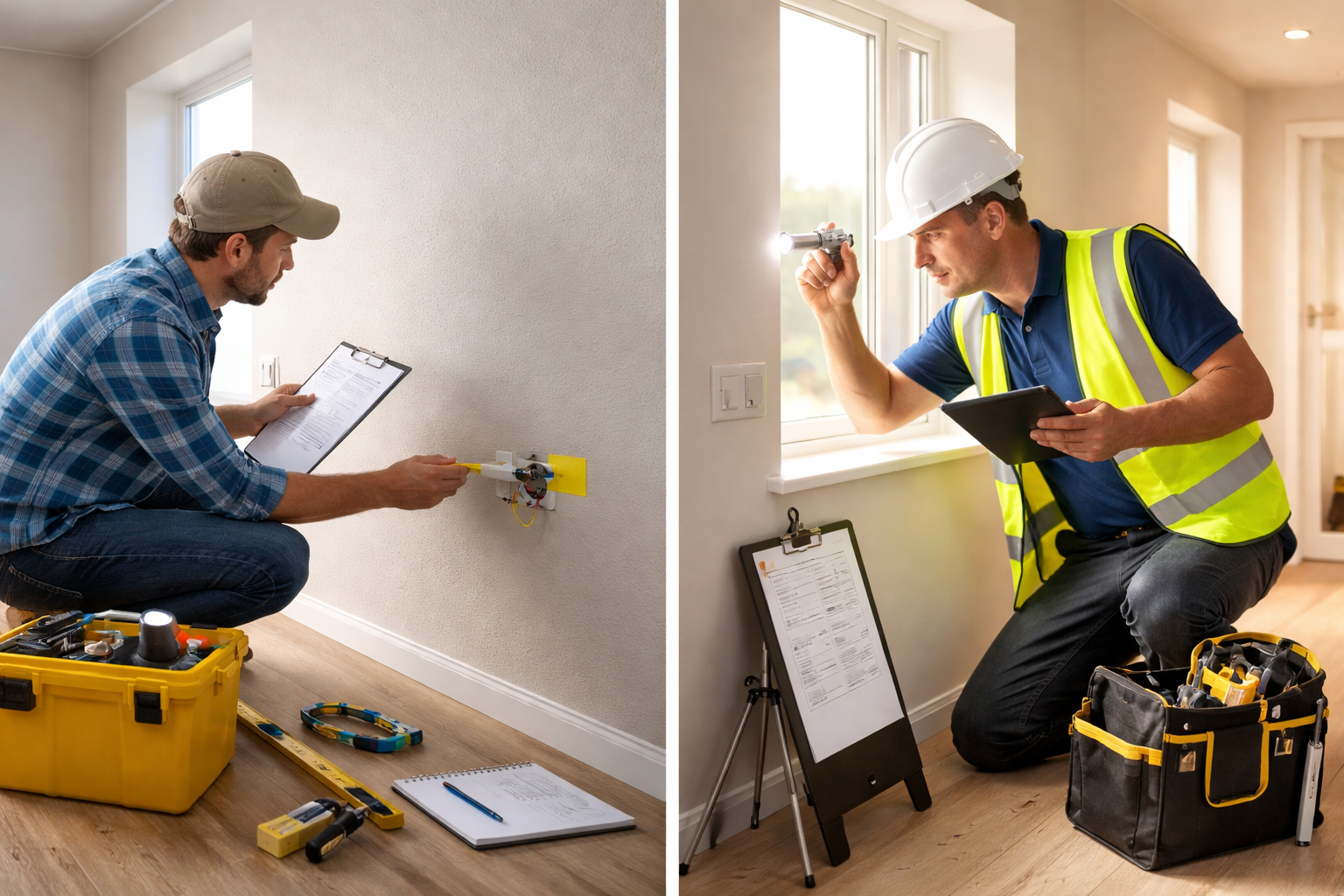
Many buyers do a quick walkthrough with a checklist saved on their phone. It helps spot obvious issues and gives a sense of involvement in the process. The problem is that it usually stops at what can be seen without tools or technical knowledge.
Professional snagging works on a different level. Inspectors rely on experience and equipment to uncover issues that do not show themselves during a casual visit. The difference becomes clear once the report lands, structured, visual, and easy for developers to act on.
DIY Snagging | Professional Snagging |
Depends on personal observation and general awareness | Backed by trained inspectors with technical experience |
Limited by what can be seen during a short visit | Extends to areas not easily visible or accessible |
Notes are informal and unstructured | Findings are organised by room and priority |
Harder to push developers for action | Easier to follow up and close issues |
May save money upfront | Helps avoid higher costs later |
Developer Response and Real Expectations
Well-known developers move faster, while smaller ones take their time. A snagging report does not guarantee a perfect outcome, since some issues are fixed properly and others receive temporary solutions that require follow-up. Clear communication makes a real difference here, especially keeping email trails, reference numbers, and records in one place. Expecting instant fixes only leads to frustration, but staying on top of follow-ups usually gets things moving in the right direction.
Snagging in Ready Properties vs Off-Plan Properties
Snagging is not limited to brand-new homes. Ready and resale properties come with their own set of risks, just in different ways. New units need checks for workmanship, while lived-in homes need checks for wear and condition. Both matter if the goal is to avoid surprises later.
Off-Plan Property Snagging | Ready or Resale Property Snagging |
Focuses on build quality and finishing standards | Focuses on the current condition and wear |
Checks workmanship before final acceptance | Checks how systems have aged over time |
Targets construction-related issues | Targets usage-related problems |
Helps push developers to fix defects | Helps buyers plan repairs and negotiate |
Done around the handover stage | Done before transfer or moving in |
Both types of snagging serve the same purpose: protecting the buyer from issues that only show up once real use begins.
Final Thoughts
Property snagging in Dubai works like a quiet safety net. It is not glamorous, and it will never feel exciting, but it plays a role that is hard to ignore. Skipping it comes down to luck, and relying on luck rarely ends well. A few buyers walk away without issues, but many discover problems only after responsibility has already shifted. Snagging brings clarity at the moment it matters most, before ownership lines are crossed and before small defects turn into permanent headaches. Walking away with the keys feels very different when confidence comes with them, knowing the home was checked properly and nothing important was left behind.
If you are nearing handover or planning your next property purchase, getting the right advice early makes a real difference. Contact us to discuss your situation, understand what to watch for during snagging, and move ahead without unnecessary surprises.