
BUYING
Paying for Dubai Property: AED vs Home Currency
A property viewing in Dubai can feel very different when you're coming from another country. You come across a property that lines up with what you've been searching for. The price falls within budget, the area seems promising, and the investment potential feels real. But if you are earning or saving money in another currency, a thought might occur: should the payment be made in AED, or should you keep your savings in your home currency until the last stage?
Many buyers pause here, not because the property is unclear, but because currency fluctuations add uncertainty. A stronger home currency can make the deal sweeter, while a sudden drop can make the same property unexpectedly more expensive. Investors who wait too long sometimes learn the hard way that currency moves silently while paperwork and planning take over their focus. Understanding how currency influences the actual payment helps avoid unwanted surprises and keeps the investment on steady ground. So keep reading as we unpack what really matters when choosing between AED and your home currency.
AED vs. Other Currencies
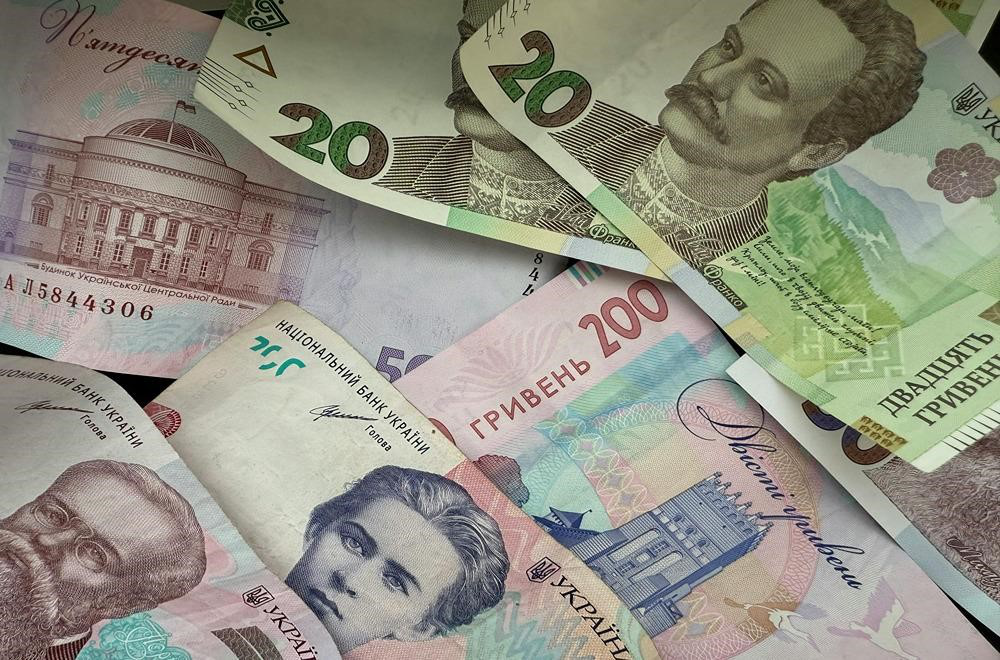
AED is pegged to the US dollar at approximately 3.6725 AED per USD, a stable rate maintained since the late 90s. That peg hasn't changed even through global recessions, oil market crashes, inflation spikes, and other dramatic financial moments.
Currencies like PKR, INR, THB, or NGN fluctuate far more aggressively. A property that looks affordable in January can become expensive by March just because your home currency has fallen.
A townhouse priced at AED 1.4 million stays at AED 1.4 million. The issue appears when your home currency loses value. The property didn't suddenly become more expensive; your purchasing power changed. That difference becomes clear when scheduled payments begin, and each transfer converts into fewer dirhams than expected.
Example:
If the Indian Rupee drops by just 3% between one payment stage and the next, you end up paying more. On a property priced at AED 1.4 million, that small dip can raise the overall cost by roughly AED 42,000 when converted. Nothing changed in Dubai; you had to spend more rupees because the INR weakened.
The Dubai Currency Requirement
Dubai developers, banks, and the Dubai Land Department handle all property-related payments in AED. Even when a project brochure casually shows a figure in USD, GBP or EUR, the actual transaction still settles in dirhams. International buyers often assume that developers accept foreign currencies. Dubai attracts investors from every region, so it feels logical that those currencies could be accepted directly. However, the equivalent pricing is shown purely to make the initial understanding easier.
Every developer calculates revenue, pays contractors, settles land-related obligations, and manages cash flows in AED. If a developer accepts money in euros or dollars, that revenue fluctuates instantly with currency markets. Developers avoid that risk by keeping payments in AED only.
Currency risk lies with the buyer, not the seller or the developer. That's why two buyers can pay different amounts for the same property, depending on how their currency performs.
Payment Plans Create Multiple Currency Exposure Points
Most developers in Dubai offer construction-linked payment plans. Payments are spread out over several milestones. Down payments, future instalments, and final handover payments are scheduled over months or years, depending on the project. Instalments due later create multiple points at which the exchange rate affects costs. Each payment is subject to the exchange rate on that specific date.
Buyers who hold money in their home currency throughout the payment cycle remain exposed to currency fluctuations again and again. Even when they negotiate the right price, choose the right unit, and arrange paperwork smoothly, currency volatility still interferes.
Bank Conversion
Banks convert incoming funds at their internal exchange rates, which aren't always the best. Everything works smoothly, but you end up paying more than expected because the conversion rate is slightly weaker. The difference doesn't stand out on a small transfer, yet when the amount is linked to a property payment, even a tiny drop in the rate becomes a considerable number.
Exchange House Conversion
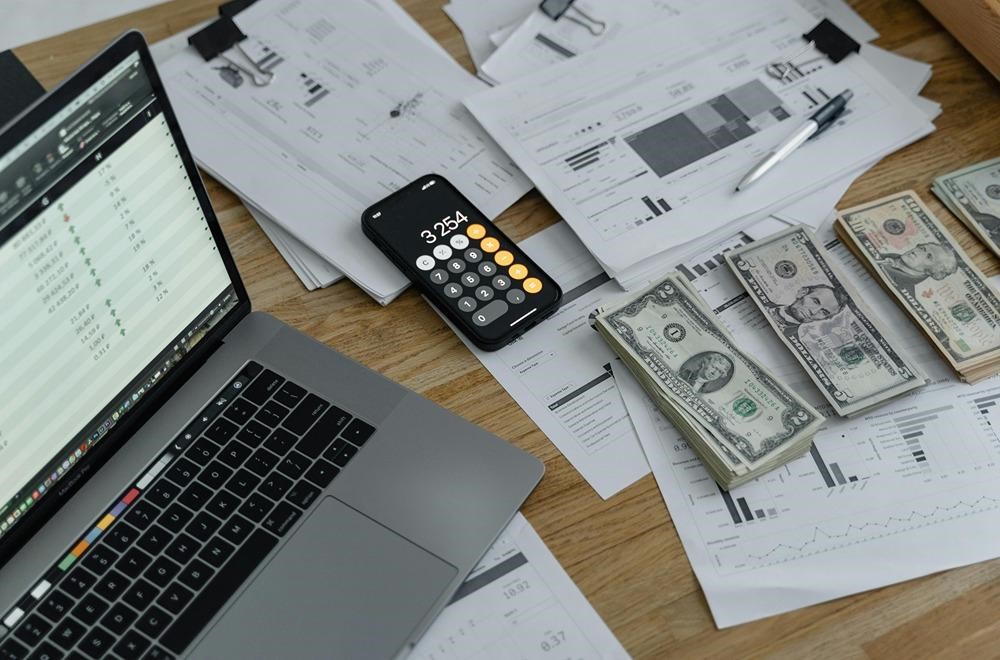
Exchange houses work with currency transfers every day. Moving money and converting it is their primary business, which is why they usually offer better rates. A slight improvement in the rate may not look exciting on paper. But once the amount reaches the hundreds of thousands, that margin becomes real money saved. Buyers who compare before transferring keep more of their budget intact.
Holding AED vs. Keeping Money in Home Currency
Aspect | Convert to AED Early | Keep Money in Home Currency |
Exchange rate change | No impact. Money is already in AED. | Affects every payment. You pay more if your currency drops. |
Planning payments | Easy. You know exactly how much you have. | Uncertain. You only know when you convert. |
Stress | Low. No checking currency apps every day. | High. Constant "Should I convert now?" thoughts. |
Deadlines | Payments are ready on time. | Risk of rushing at the last minute if the rate gets worse. |
Cost control | You avoid surprises. | You might end up paying more without realising it. |
Convenience | One-time or gradual conversion. Payments become smooth. | Must convert again and again before every payment. |
Banking | Can use an AED account or a multi-currency wallet. | No AED holding. Every payment requires a conversion. |
Moving some money into AED early keeps things simple. Payments are ready when you need them, and you no longer have to check the exchange rate every morning. Instead of stressing about market timing, you stay focused on the property and the paperwork. Holding everything in your home currency might feel convenient, but it ends up being a constant guessing game. Each payment becomes a "convert now or wait?" decision, which prolongs the decision-making process unnecessarily. When the money is already in AED, there's no need to figure out numbers at every step. You know what's there, and you can move ahead without the back-and-forth.
What's the Smarter Move?
The smarter move depends on how your currency behaves and how comfortable you are with fluctuations.
Convert to AED when:
- Your home currency is unstable or losing value.
- The payment plan is stretched over months or years.
- You don't want the emotional stress of timing the market.
- You prefer certainty over guessing.
Why this works well:
You remove the currency from the equation. The property becomes the only focus.
Convert gradually when:
- You don't want to commit a lump sum at once.
- Your currency fluctuates, but not drastically.
Why this works well:
You avoid the pressure of trying to catch the "perfect" rate.
Keep partial funds in home currency when:
- Your currency is historically stable (USD, EUR, GBP).
- You are confident in monitoring the rate without getting stressed.
- You don't mind taking small risks for a slightly better rate.
Why this works well:
You stay flexible but still protect yourself by converting in parts.
Conclusion
Buying a property already comes with plenty of decisions. When the money is already in AED, one big variable disappears. You stop thinking about the exchange rate and start thinking about the property itself. You know precisely what you have and what you can pay. The payment plan feels lighter because there's no surprise conversion moment at every stage. Instead of chasing currency updates or second-guessing your timing, you stay focused on the move, the handover, and everything that comes next.
Have a property in mind, but are unsure how currency affects your payment?
Contact us today. We’ll help you compare projects, walk you through payment plans, and provide guidance on AED conversion..