BUYING
Tips for Buying Property as a First-Time Expat in Dubai
So, you’ve finally decided to buy a property in Dubai. You must be wondering, where do I start? What should I know? How does it even work here? Don’t worry, it isn’t as complicated as it might seem. Once you understand the process and what to look out for, it starts to feel a lot more manageable. Let’s walk through it together step by step so you can make confident decisions without second-guessing yourself.
Understand the Market Before You Dive In
Dubai’s property market is shaped by expat demand, tourism, and constant development. In 2024, Dubai’s real estate recorded AED761 billion in property transactions, with more than 226,000 real estate deals registered through the Dubai Land Department (DLD), which is a clear sign of how active the market is. But still, it’s easy to get caught up in the buzz. Before you sign anything, take some time to understand how the market works. Spend a few weeks looking at listings, comparing prices, and visiting different areas. You’ll start noticing where prices rise quickly, where they hold steady, and where you might find better long-term value.
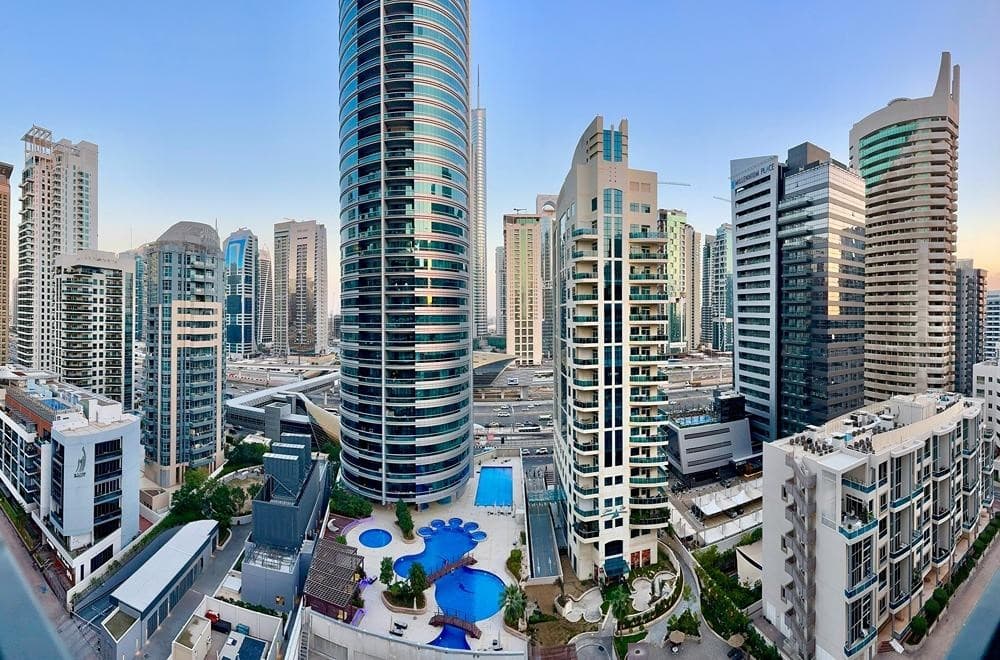
Apartments in Jumeirah Village Circle (JVC) or Dubai Sports City offer better value for money, especially for first-time buyers. But if you fancy waking up to the Burj Khalifa outside your window, then Downtown Dubai or Dubai Marina could be more your style, though it’ll cost quite a bit more. The more you explore, the more confident you’ll become. Instead of feeling overwhelmed by listings, you’ll start spotting what’s worth it and what isn’t. That’s when you know you’re ready to take the next step.
Freehold vs. Leasehold
If you’re an expat, the most important rule to remember is that you can only buy freehold property in designated areas. These are zones approved by the Dubai government where non-UAE nationals are legally allowed to own property outright. You’ll find modern high-rises and waterfront apartments in Dubai Marina, business-friendly spots in Business Bay, and family-oriented villas in Arabian Ranches. Areas like JVC (Jumeirah Village Circle) are popular among first-time buyers because they offer good value without being too far from the city’s main attractions. Then there’s Palm Jumeirah and Downtown Dubai, which are ideal if you want to be right in the heart of it all.
If a property falls outside these designated areas, then you might only be able to lease it for a long period, often up to 99 years. It’s still a valid option for some, but it doesn’t offer the same long-term control as owning a freehold home.
Get Familiar with the Legal Side

One thing that surprises new buyers is how structured Dubai’s property laws are. The Dubai Land Department (DLD) oversees all property transactions in the city. The Real Estate Regulatory Agency (RERA), which operates under the DLD, closely monitors developers, brokers, and agents to ensure everyone plays by the rules. Their main goal is to protect buyers like you, so knowing these names isn’t just helpful, it’s essential.
If you’re buying an off-plan property, the first thing to check is whether it’s registered with RERA. That’s important because your payments for such projects must go into a RERA-approved escrow account, not directly to the developer. That way, your money stays safe in that account until the developer actually makes progress on the project. For ready properties, you’ll want to make sure the Title Deed is genuine and issued by the DLD. Avoid verbal agreements or informal paperwork and check that the agent or brokerage you’re working with is RERA-licensed. Every licensed agent in Dubai has a unique registration number, and you can easily verify it on the DLD website.
Understanding these basics gives you a real sense of control over the process.
Set a Realistic Budget
Many expat buyers focus only on the property’s price. In Dubai, the purchase price is just one part of the equation. There are additional costs you’ll need to plan for.
Here’s a quick breakdown:
DLD Registration Fee: 4% of the property price
Agency Commission: Around 2% (paid to your real estate broker)
Trustee Office Fee: AED 4,200 (for properties over AED 500,000), AED 2,100 (for properties below AED 500,000)
Mortgage Registration Fee: 0.25% of the loan amount (if you’re financing)
Then there are smaller costs, such as service charges that cover maintenance and community facilities. These can vary from AED 5 to AED 40 per square foot, depending on the area, property type, and amenities.
Having a clear picture of these expenses keeps you from being caught off guard later. It’s also wise to have a small buffer for unexpected costs, since something always comes up in real estate.
Work with the Right Agent

Dubai has no shortage of real estate agents, but not every agent will be the right fit for you. Some genuinely care about finding what suits your needs, while others focus more on closing deals quickly. The difference becomes clear once you start talking to them.
The right agent listens before they speak. They’ll ask about your budget, lifestyle, and long-term goals instead of just throwing listings your way. A professional agent also takes the time to explain market trends, helps you compare different areas, and is upfront about fees and commissions. You should never feel like you’re being talked into something you’re not comfortable with.
As discussed above, always ask for their RERA license number because every legitimate agent in Dubai must be registered with the Real Estate Regulatory Agency (RERA). If they hesitate to share it, that’s a red flag. You can verify the number on the Dubai Land Department’s website in minutes to confirm they’re authorised to operate.
Buying a property isn’t something to rush, no matter how promising the deal sounds. If an agent pressures you to make a quick decision, take a step back. A good one moves at your pace, gives you honest advice, and helps you make a choice that feels right.
Don’t Skip the Property Inspection
A proper inspection gives you a clear idea of what you’re actually buying. For ready properties, do a detailed walkthrough. Turn on the taps, see how the water pressure feels, check the lights and air conditioning, and keep an eye out for cracks, leaks, or anything that seems off. Small issues might not seem like much now, but they can become headaches once you move in.
Off-plan properties are a bit different. You can’t walk into the finished apartment yet, but you can visit the developer’s office or the model unit. It gives you a sense of the layout, the finishes, and the quality they’re aiming for. Ask plenty of questions about the construction progress and when it’s expected to be ready. If the developer is RERA-registered, you can even check updates on the DLD website to make sure things are actually on track.
Understand the Payment Plans
Dubai’s developers are known for offering flexible payment plans, especially for off-plan projects. Some let you pay 40% during construction and 60% after handover, while others spread payments over several years post-handover. A flexible payment plan can be a blessing, but it’s still a long-term commitment. Late payments can lead to penalties or, in extreme cases, contract cancellation. So before signing anything, make sure the schedule makes sense for your income and timeline.
In case of ready properties, payments are made in full at the time of transfer, often through a manager’s cheque issued in the seller’s name. This happens at one of the DLD-approved Trustee Offices, where buyer and seller sign off on the transfer.
Know the Transfer Process
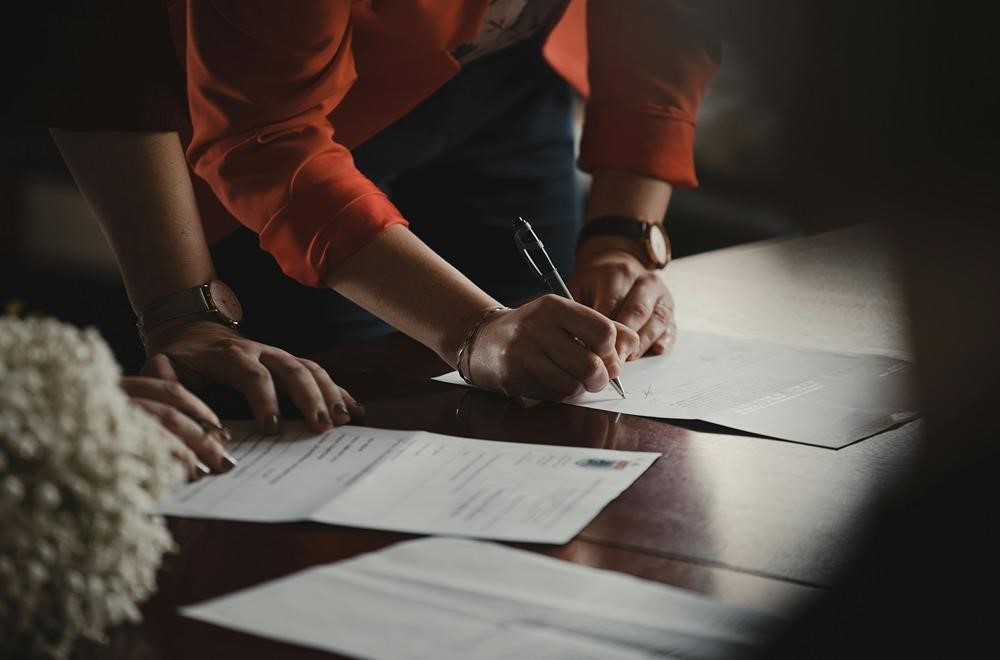
Once the buyer and seller agree on a price, a Memorandum of Understanding (MOU) is signed, usually with a 10% deposit. The MOU confirms the agreed price and terms between you and the seller. After that, the DLD oversees the title transfer. Both parties must be present at an approved Trustee Office, along with original IDs and payment cheques. If you’re using a mortgage, your bank coordinates directly with the DLD to make sure everything is properly registered.
Once the Trustee Office checks the documents, confirms the funds, and approves the transfer, ownership is officially updated in the DLD records. You’ll receive your Title Deed, which is the legal proof that the property now belongs to you. From that moment on, it’s your home, and you have full control over it.
Factor in Long-Term Considerations
Before you jump in, take a moment to think about how long you actually plan to stay in Dubai. If it’s just for a few years, you might want a place that’s easy to rent out later. The rental market here is pretty strong. Most areas see returns of around 6–8% a year, which is higher than in many other big cities.
But if you see yourself putting down roots for a while, then comfort matters more than quick returns. Look at areas like Arabian Ranches, The Springs, or Jumeirah Golf Estates. They’re quieter, family-friendly, and have that sense of community people often miss in the busier parts of the city.
You must also not forget about service charges and maintenance costs. They might not sound like a big deal at first, but they add up over time. If you’re buying with the idea of renting it out, those costs can eat into your profits. It’s worth checking them before you commit, so you know what you’re getting into long term.
Conclusion
Buying your first place in Dubai feels like a big deal. There’s a lot of paperwork, the payments, maybe a mortgage, and all the little details in between to figure out. It can seem like too much at once, but it’s not as scary as it looks. Once you take it step by step, things start to make sense. You learn how the market works, which areas fit your lifestyle, and what’s actually worth your money. The more you understand, the easier it gets. Understanding the market, knowing the rules, and working with trustworthy professionals make the whole process much smoother.
Your first property purchase in Dubai should feel secure and well-guided. At Linda’s, our experienced team handles everything, from property search to title transfer at the Dubai Land Department (DLD).
Contact us today to find a home that fits your goals and lifestyle.