BUYING
Why Property Investors Prefer Dubai in 2026
Dubai attracts attention from property investors for reasons that go beyond short-term trends. The market offers a level of structure and practicality that appeals to people investing in long-term assets. Decisions here rely less on noise and more on how things work in everyday situations.
Investors today focus on clarity. Ownership rules, rental demand, population growth, and daily livability all matter. Dubai brings these aspects together in a way that is easy to follow and easier to plan around. They show up in transaction volumes, rental activity, and residents' commitment to staying in the city over time.
Let’s walk through the key reasons investors prefer Dubai in 2026.
Tax Rules that Favour Investors
Money matters, and the amount that actually stays with an investor matters even more over the long run.
Dubai offers zero personal income tax on property earnings and no capital gains tax when a property is sold. Rental income goes directly to the owner, and tax deductions do not reduce sale profits. That difference changes how investors calculate returns, especially those familiar with markets where taxation eats into income year after year.
A property generating around 7% in rental income remains close to that level after basic ownership costs. In many international cities, the same return looks very different once income tax and capital gains tax apply, sometimes cutting the final figure almost in half.
Attractive Rental Returns
Rental yields in Dubai are competitive compared with most global property markets. Apartments in well-established neighbourhoods commonly fall within the 6-8% gross yield range, especially in areas with strong transport links and easy access to work hubs. Homes near metro stations or central business districts see more consistent interest.
Demand plays a big role here. Dubai’s population continues to grow at a steady pace, fuelled by professionals relocating for work, families settling for longer stays, and business owners setting up operations in the city. Many newcomers prefer to rent before buying, and a good number remain tenants for several years.
That steady flow shows up in occupancy levels. Buildings with regular tenant turnover and limited vacancies reflect the real strength of the market far better than any brochure or sales pitch. When homes stay occupied, returns follow.
A Growing Population
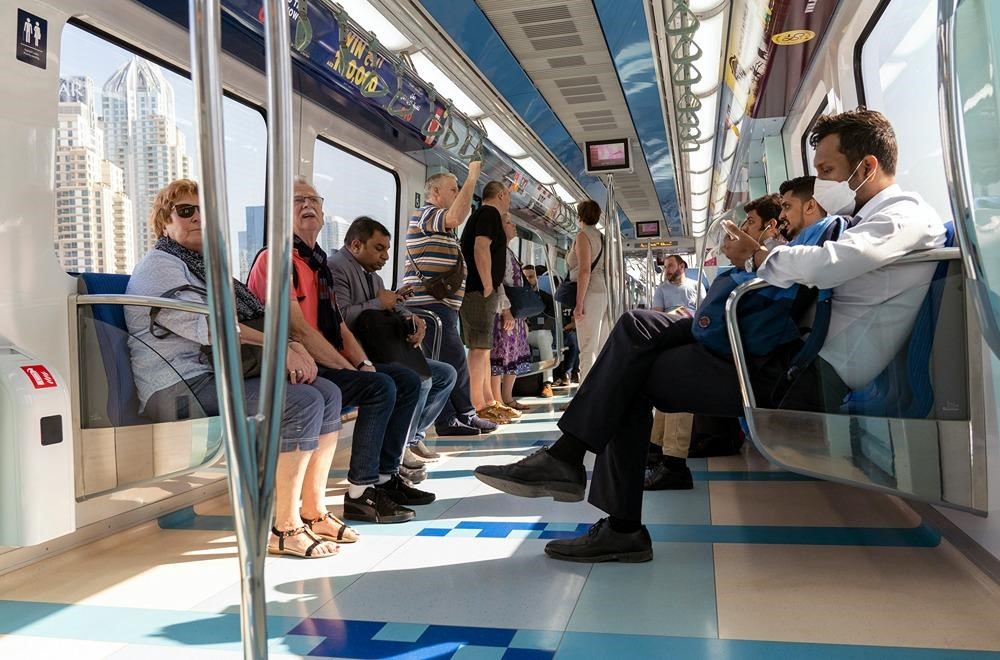
People move to Dubai for work, safety, and a high quality of life. The city’s population is currently over 4 million residents, and official projections point toward it crossing 5 million in the years ahead as new business zones, housing communities, and infrastructure come online. Annual growth is in the 3 to 4% range, driven mainly by professionals, families, and entrepreneurs relocating for employment and long-term plans.
Every new arrival needs a place to live. Some choose apartments close to work. Others look for townhouses or villas as families grow. Demand spreads across different property types rather than concentrating in one corner of the market.
Rental activity remains steady even as sales slow. That balance helps investors avoid rushed decisions and supports more stable holding periods without pressure to exit quickly.
Clear Property Laws and Ownership Rights
Investors can purchase property on a freehold basis in designated areas throughout the city. Ownership is recorded with the Dubai Land Department, where title deeds are registered through a central digital system. Property details, ownership history, and transaction records are stored in one place, which reduces uncertainty and helps avoid legal complications later.
Off-plan purchases are subject to strict regulations designed to protect buyers. Payments go into escrow accounts supervised by authorities, and developers receive funds only after verified construction milestones are completed. This approach ties buyer money to real progress on site rather than future commitments.
Property-related disputes are lower than in many international markets, mainly because registration, handover, and ownership transfers follow a structured legal process. When systems operate smoothly in the background, investors can focus on long-term planning rather than paperwork.
Flexible Off-Plan Payments
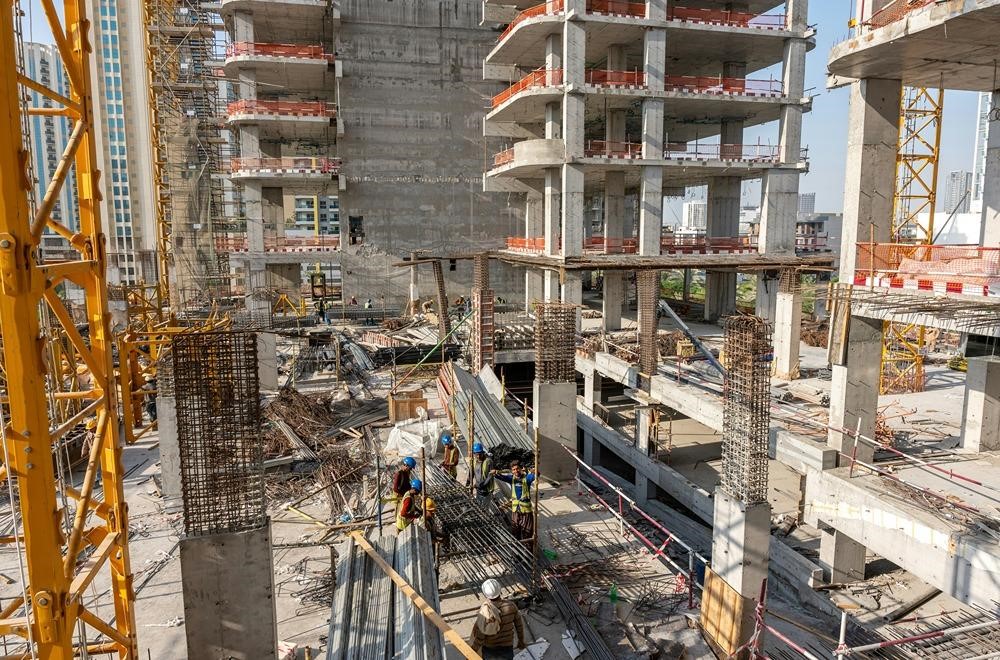
Not every investor feels comfortable putting down the full amount at the start, especially when planning across more than one asset or market. Dubai developers offer structured off-plan payment plans that spread the cost over time. Many projects begin with a 10-20% down payment, followed by instalments linked to construction stages. Payments are spread over several months or years, which allows buyers to plan their finances without sudden strain. In some cases, a portion of the price is paid after handover, once the property is completed and ready for use or rent.
These plans make it easier to enter the market without tying up large sums all at once. Investors can reserve a property at current prices and pay gradually as the project progresses. With payments aligned to progress, time works alongside the investment instead of against it. So, it allows investors to manage their capital with more control and flexibility.
A Currency Tied to the US Dollar
Currency swings create stress for investors, especially when income and expenses sit in different currencies. Dubai reduces much of that concern through the way its currency is structured. The UAE dirham is pegged to the US dollar, which brings a level of predictability that many markets cannot offer. Investors earning in dollars, or in currencies closely linked to it, face fewer surprises when moving money in or out. Long-term planning becomes easier when exchange rates do not shift sharply from one year to the next.
That stability supports more precise budgeting for mortgage payments, rental income, and future sale values. Forecasting returns feels more controlled because the currency side of the equation stays familiar. It may sound like a small detail at first, but for investors thinking several years ahead, that sense of predictability offers real peace of mind.
A Market Backed by Infrastructure
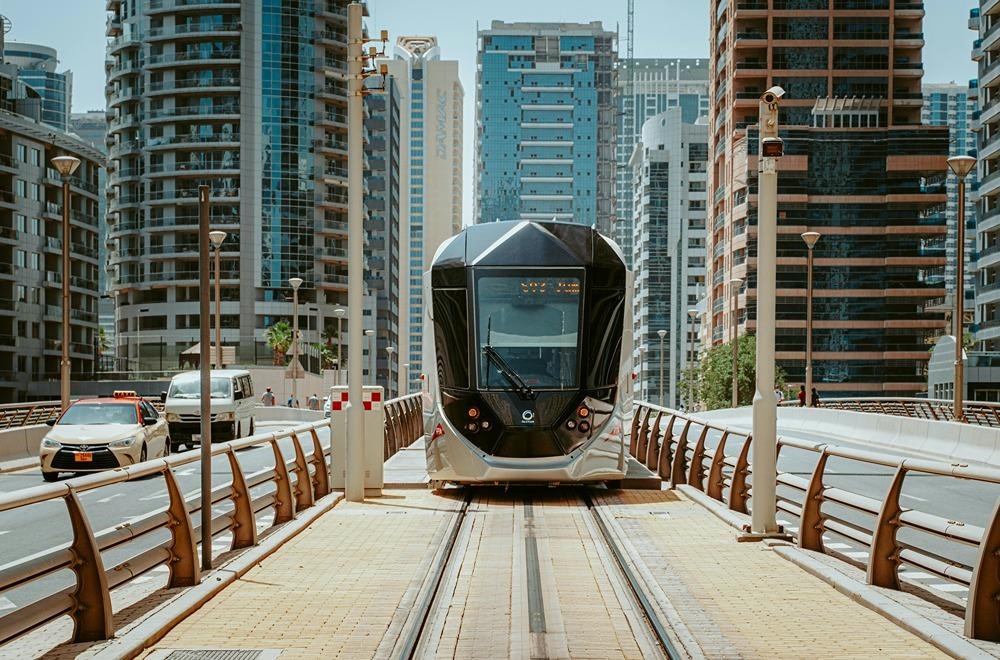
In Dubai, new roads open before traffic becomes a problem. Metro lines extend toward areas that are still growing. Schools and clinics appear early, so families do not feel cut off when they move in. Life works from the start, not years down the line. That planning changes how neighbourhoods grow. People move in sooner, routines form faster, and communities feel lived-in instead of half-finished. Over time, those areas hold value because daily life feels easier there.
Investors notice this without the need for charts or forecasts. Homes close to transport and basic services fill up faster, tenants stay longer, and resale interest comes more naturally.
A Lifestyle Market that Supports Demand
Dubai offers safety, access to healthcare, schooling options, and everyday services that make daily routines feel manageable. International schools attract families planning longer stays. Reliable healthcare gives residents confidence to settle in. Retail, transport, and public facilities help life run with fewer interruptions.
When daily living feels easier, tenants stay longer in one place. Longer leases reduce empty periods and limit turnover. That pattern supports owners who prefer steady rental income instead of frequent re-listing.
Clear Exit Strategy
Liquidity plays a significant role in how comfortable an investment feels over time. Knowing there is a straightforward way out reduces pressure from the start. Dubai’s resale market sees regular activity across a range of price points. Smaller apartments attract first-time buyers and investors seeking rental income, which helps transactions move forward. Family homes in well-known communities attract end users planning longer stays.
Selling a home in Dubai does not depend on hitting one perfect moment. Buyers arrive from different regions with different timelines, budgets, and reasons for buying. That variety creates more flexibility when it comes time to exit. Having more than one route to sell gives investors room to decide at their own pace, without feeling boxed into a single outcome.
Conclusion
Dubai’s appeal comes from how the pieces fit together in everyday use. Clear ownership rules, steady population growth, usable infrastructure, and rental demand shaped by real living patterns all play a role. In Dubai’s real estate market, investors operate within a system that allows time, planning, and steady adjustment as conditions shift. What draws many people in is the sense of control. Numbers are easier to follow, income feels more predictable, and exit options stay available. That combination supports long-term thinking, calmer decisions, and a view of property as part of a wider plan, not a quick trade.
If you want to explore how these factors apply to your own plans, our team is here to talk things through with you. Contact us to discuss your plans and explore property options that fit your timeline and priorities.