
BUYING
UAE Property Transfer Process: Steps, Fees & Rules
Buying a home in the UAE involves a set process before ownership is transferred. The buyer and seller first sign a contract to agree on the price. They then visit the Dubai Land Department to present their IDs and pay the transfer fees. The authorities review the transaction to ensure the sale is legally valid.
Once everything is verified, the land department issues a Title Deed in the buyer’s name. That document confirms legal ownership and updates official records. Until then, the property still belongs to the seller, even if the price has been agreed.
It sounds like a lot, but don't worry. We’re going to break it down into easy steps, so you know exactly what happens from start to finish.
Quick Summary
Property ownership in the UAE is not recognised unless registered with the relevant land authority. The process starts with a signed sale agreement, followed by deposit handling, developer clearance, fee payments, and the issuance of the title deed. Advance preparation of documents and settlement of all dues reduces delays and avoids problems on transfer day.
What Does Property Transfer Mean in the UAE
Property transfer refers to the legal transfer of ownership from the seller to the buyer. The buyer becomes the registered owner only after the land authority updates its records and issues a new title deed.
Each emirate handles property registration through its own authority.
Dubai: Dubai Land Department (DLD)
Abu Dhabi: The Department of Municipalities and Transport (DMT)
Sharjah: Real Estate Registration Department (SRERD)
Ajman: Department of Land and Real Estate Regulation
Ras Al Khaimah: RAK Municipality (Lands and Properties Sector)
Umm Al Quwain: Land and Property Department
Fujairah: Fujairah Municipality
Despite differences in authority, the overall process is the same across the UAE.
What is the First Step in a UAE Property Transfer?

Everything begins after the buyer and the seller agree on the price and the terms. A signed sale agreement confirms this intent. In Dubai, this document is known as Form F. In the rest of the UAE, sale contracts approved by the local land departments are used instead.
The agreement records:
- Property details
- Agreed price
- Payment structure
- Transfer timeline
- Responsibility for fees
Once signed, both parties enter a binding phase. Backing out without a legal reason can trigger penalties.
Initial Deposit and Its Purpose
When a buyer and seller agree on a deal, the next step is the initial deposit. This serves as a "commitment guarantee" to ensure both sides are serious.
In the UAE, the standard practice is to require a 10% deposit of the purchase price. The buyer writes a cheque in the seller's name. However, the seller doesn't cash it right away. Instead, the cheque is held by a neutral third party, such as a Real Estate Broker or a Registration Trustee, until the sale is completed.
Sellers are protected by the deposit if the buyer suddenly backs out. Buyers also gain peace of mind knowing the property is reserved just for them. Secondary-market sales of ready homes rely on these cheques. In contrast, off-plan projects follow different rules, under which money is paid into a secure Escrow Account monitored by the government.
No Objection Certificate Comes Next
Obtaining a No Objection Certificate (NOC) is a must for most completed properties. The developer issues this paper to confirm that there are no unpaid service charges or rule violations on the property. Land departments will not process an ownership transfer without this certificate.
Developers charge a fee to issue the NOC, which usually ranges from AED 500 to AED 5,000, depending on the specific project. Without an NOC, the whole process comes to a halt, so it’s one of the first things sorted out once the deposit is in place.
Settle Outstanding Payments
Before the transfer day, every outstanding amount linked to the property must be settled. These are:
- Any outstanding fees for the building or community must be paid in full.
- Regular upkeep (maintenance) costs should be up to date.
- Any fines or late fees from the developer need to be cleared.
- Final payments for water, electricity, and cooling services are required.
Authorities verify these records during the transfer. Any unpaid amount can delay the process, so having receipts ready is a smart move.
Mortgage Clearance If Applicable
When a property has a mortgage, the bank must give the green light before the sale can proceed. Sellers are responsible for settling the loan or obtaining a liability letter from their bank confirming the exact amount still owed. Once the bank receives the settlement funds, it issues a release letter, though the wait time can range from 5 to 15 working days, depending on the lender.
Buyers who are financing themselves will need to coordinate closely with their own bank. In these cases, banks release funds to the seller during the transfer only after the Dubai Land Department or the local land authority provides final approval.
Keeping everyone on the same page is the best way to avoid delays when banks are involved.
Transfer Appointment at the Land Department
The big moment happens at the land department or an approved Trustee Office, where the property officially changes hands. The buyer and seller attend this meeting together. If one party cannot attend, they may send a legally authorised representative who holds a Power of Attorney.
Here is how the document responsibilities break down for the appointment:
The Seller: Must bring the original Title Deed (or the certified true copy if financed) and the No Objection Certificate (NOC) from the developer. If the property was mortgaged, a bank release letter or liability letter is also required.
The Buyer: Must bring Manager’s Cheques for the property price, which, under the new 2026 regulations, must be issued directly in the name of the owner listed on the Title Deed. The buyer also brings cheques for the government transfer fees.
Both Parties: Must present their original Emirates IDs (for residents) or original passports (for non-residents) for identity verification.
The Professional/Broker: Provides the signed Sale Agreement (e.g., Form F in Dubai), which must be generated on the official digital platform to be valid.
Representatives: If either party is not present, the representative must bring a UAE-attested Power of Attorney (POA). Note that the 2026 rules require these POAs to be verified digitally and to use specific legal terms, such as "transfer for consideration".
Once approved, the buyer receives a new title deed issued in their name.
How Much is the Transfer Fee Across The UAE
Property transfer fees are one of the most important costs to prepare for when buying a home. While the standard fee is 4% of the property value for sales registered with the Dubai Land Department (DLD), the exact amount may vary depending on the circumstances.
Additional Property Transfer Costs:
Standard Rate: The DLD charges 4% of the property value for sales.
Additional Costs: In addition to the 4% fee, buyers in Dubai pay an administration fee (approx. AED 580) and a title deed issuance fee (approx. AED 250).
Standard Transaction Fees: For properties priced above AED 500,000, the trustee fee is AED 4,000 plus VAT.
Smaller Transactions: If the property price is below AED 500,000, the fee drops to AED 2,000 plus VAT.
Special Transfers: Transfers between immediate family members are charged at a lower rate of 0.125%.
Mortgages: Registering a mortgage incurs a fee of 0.25% of the loan amount plus AED 290.
How to Avoid Common Mistakes During the Transfer Process
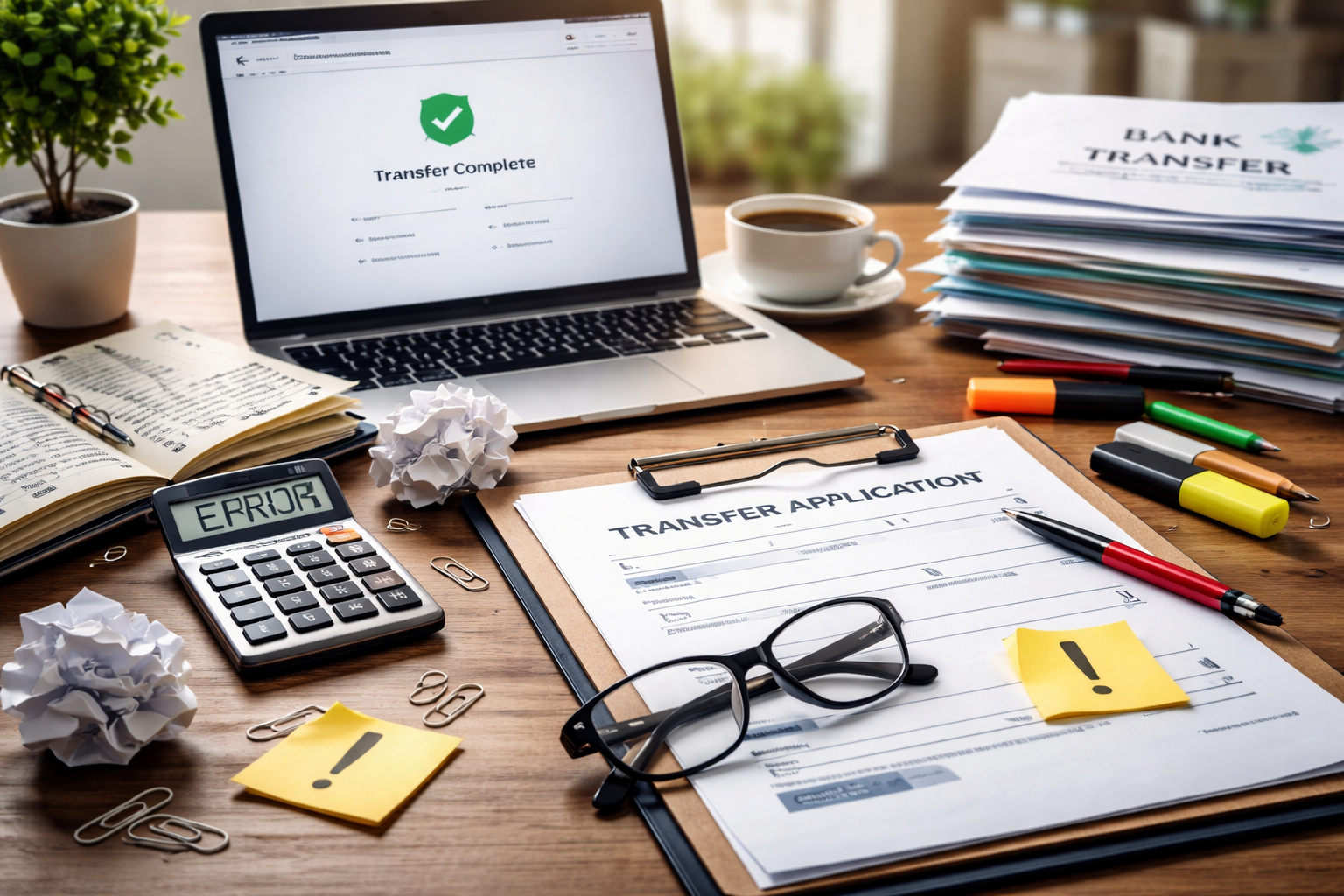
Even with a great plan, small mistakes can slow down the property transfer. Most delays stem from small details that were missed or forgotten. Watching out for these common slips can help make sure the move happens on time.
- Check the dates on your passport and Emirates ID. If your ID has expired, the Land Department cannot finish the paperwork.
- Always double-check the spelling on your Manager’s Cheques. If a name is wrong, the bank or the government office will not accept the payment.
- Don't forget to set aside money for the 4% transfer fee and the Trustee Office charges.
- The transfer might stop if there are still unpaid DEWA or cooling bills. The seller must demonstrate that all utility accounts are settled before the new owner takes over.
- A No Objection Certificate (NOC) is usually valid for 30 days. If it expires before the transfer day, the developer has to issue a new one, which takes more time and costs more money.
When everything is ready in advance, the Dubai Land Department or the Registration Trustee can process the sale without encountering any roadblocks.
Final Thoughts
Property transfer in the UAE is governed by a strict legal framework. Every step serves a specific purpose, so missing even one can cause a major delay or a failed transfer. Buyers who understand these rules move much faster and face fewer surprises during the sale. Sellers also benefit from smoother closings and guaranteed payments.
Real ownership only begins when the Dubai Land Department or the local land authority confirms it in their system. Everything that happens before that moment is just preparation. Understanding the whole process makes the experience much calmer, more predictable, and far less stressful for everyone involved.
If you’re planning a property transfer and want experienced support at each stage, Linda’s real estate team can help you manage the process smoothly and on time.