BUYING
What Is a Title Deed in Dubai and Why It Matters
In Dubai’s real estate sector, a set of keys does not guarantee ownership rights. Legal ownership belongs only to the person named on a government-issued Title Deed. Every year, property transactions worth billions of dirhams are processed across the emirate, yet the only legally binding record is the one registered in the Dubai Land Department’s central system. Without this specific document, a buyer has no legal standing to sell, lease, mortgage, or gift the property to another party.
But what exactly is written on this document? And how do you make sure yours is the real deal? Let’s break down everything you need to know about the most important paper you’ll ever hold in Dubai.
Key Takeaways
- A Title Deed is the only legal proof of ownership in Dubai.
- It is issued and registered by the Dubai Land Department.
- Payment and keys do not equal ownership without registration.
- It is required for resale, mortgage registration, and property-linked visa applications.
- Off-plan buyers receive Oqood before the final deed is issued.
What is a Title Deed?
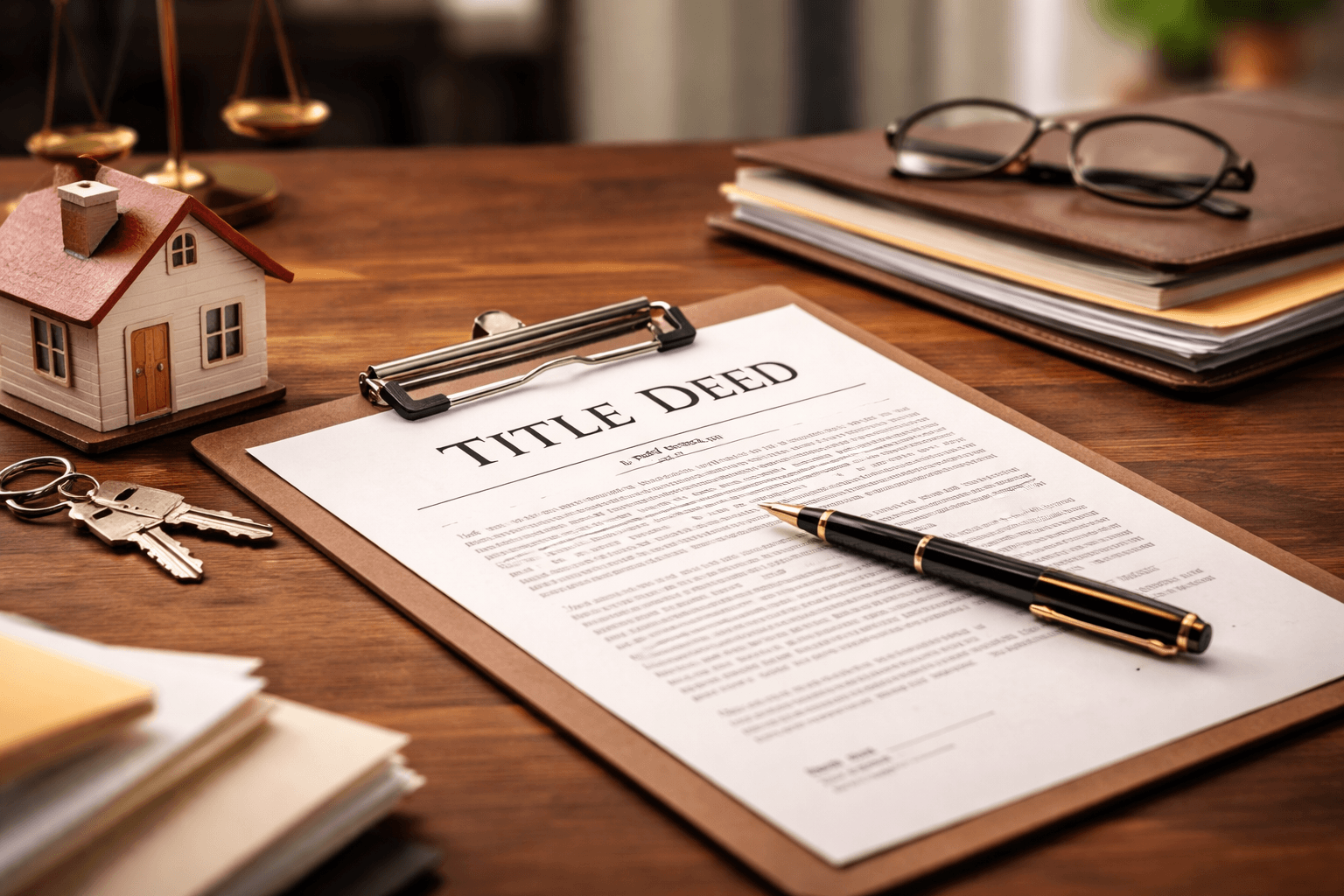
A title deed is an official government certificate that proves property ownership in Dubai. It confirms that a specific person or company legally owns a specific property.
It is not just a sales agreement.
It is not just a booking form.
It is not a developer receipt.
The title deed is issued by the Dubai Land Department after a property transfer is registered in the official system. Once issued, the buyer’s name appears in the government registry as the legal owner.
In simple words, the title deed is proof that the property belongs to you.
What Information Appears on a Dubai Title Deed?
A Dubai title deed contains factual property details recorded in the land registry.
- Owner’s full name (Exactly as it appears on a passport)
- Property type (Apartment, villa, or plot of land)
- Plot number (The specific geographic identifier)
- Property location and community name
- Built-up area size (The exact square footage)
- Property reference number
- Issue date
- Official stamp and QR verification code
There is no room for assumptions here. If the property is a joint investment, every owner’s name is listed alongside their specific ownership percentage. The Dubai Land Department maintains a unique record for every single unit in the city, so this document ensures that what is on paper matches the government’s database perfectly.
Who Issues the Title Deed in Dubai?
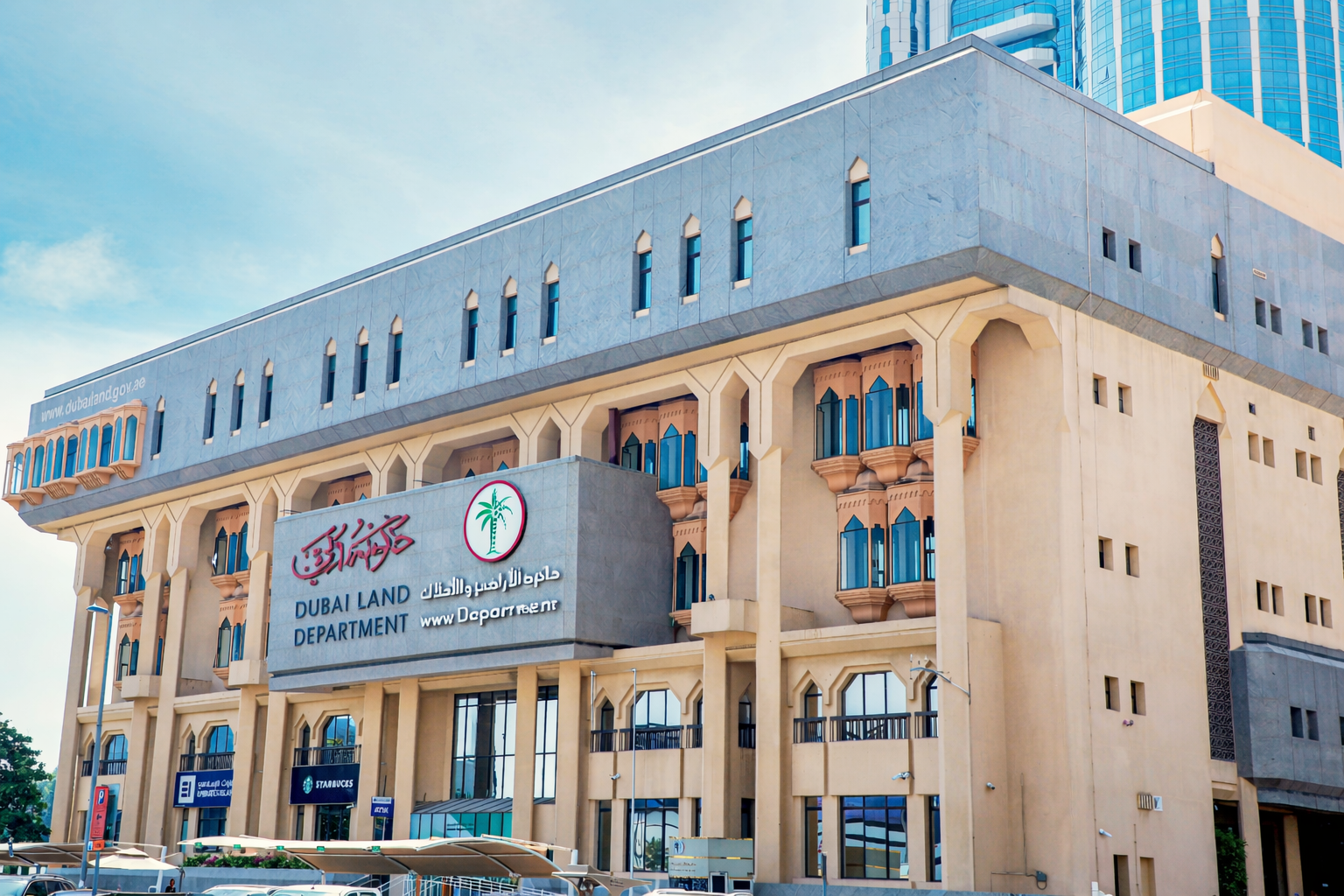
In Dubai, the Dubai Land Department (DLD) is the only authority with the power to issue a valid Title Deed.
The transfer process occurs either at a DLD office or through a government-approved registered trustee office. Once transfer fees are paid and documents are verified, the DLD registers the transaction in its system and generates the new title deed.
The beauty of the Dubai market is that everything is centralised and digital. The moment a transaction is approved, the government database updates in real time and generates the new deed. This high-tech approach is designed to eliminate disputes and ensure that once a name is on that document, their rights are fully protected.
Title Deed for Off-Plan vs Ready Property
Many buyers get confused here.
A ready property comes with a title deed once the transfer is complete.
An off-plan property works differently. During construction, buyers receive an Oqood certificate issued by the DLD. Oqood records the buyer’s ownership in the interim property registry. It confirms that the unit is reserved and registered under the buyer’s name.
Once construction is completed and the project is handed over, the Oqood converts into a full title deed.
No title deed is issued before project completion.
The Importance of Title Deeds
It is easy to get caught up in the excitement of a new home, but holding the keys is only half the battle. Legal recognition is what actually protects an investment.
Here is why title deeds are important in Dubai's real estate:
1. It Confirms Legal Ownership
Only the person named on the title deed has the legal right to sell, lease, or mortgage the property. If a dispute arises, the Dubai Land Department records decide the rightful owner.
2. It Is Required for Resale
A property cannot be transferred to a new buyer unless the current owner’s name appears on the existing title deed.
3. It Is Required for Mortgage Financing
Banks in the UAE require the title deed to register a mortgage against the property. The mortgage registration also appears in DLD records.
Once the loan is cleared, the mortgage is removed from the title deed system.
4. It Is Required for Visa Applications Linked to Property
Dubai offers residency visas linked to property investment thresholds. Property value and ownership must be verified through a valid title deed.
Without it, the visa application cannot move forward.
Freehold vs Leasehold Ownership and Title Deeds in Dubai
For a long time, property ownership was restricted to local nationals. That changed in 2002, and the framework was later solidified by Law No. 7 of 2006, which officially opened the door for foreign investors.
Communities such as Dubai Marina, Downtown Dubai, Palm Jumeirah, and Jumeirah Village Circle allow full ownership rights for foreign buyers.
When a foreign buyer purchases property in these zones, the title deed is issued in their name with full ownership rights. The rights are the same as those of a UAE national in freehold zones.
Leasehold areas follow different rules. In these areas, you buy the right to use the property for a fixed period between 30 and 99 years. You can still live in, rent out, or even sell the remaining years on your lease, but the ownership eventually reverts to the freeholder (often a developer or the government) once the clock runs out. It is a more affordable entry point into established central districts, but it doesn't offer the same "forever" security as freehold.
The differences become easier to understand when viewed side by side.
Feature | Freehold Ownership | Leasehold Ownership |
Ownership Duration | Unlimited ownership period registered in DLD records | Fixed-term rights granted for a defined number of years |
Title Deed Status | Issued in the buyer’s name as the full property owner | Issued reflecting leasehold interest, not absolute land ownership |
Land Rights | The buyer owns the unit and the share of land | Land remains under freeholder control |
Transfer Rights | The owner can sell, gift, or mortgage without a term limitation | The buyer can transfer the remaining lease term to another party |
Inheritance | Property can be inherited without an ownership expiry | Heirs receive the remaining lease duration only |
End of Term | No expiry of ownership rights | Rights revert to the freeholder after the lease period ends |
Understanding how the Title Deed reflects each ownership type is essential before signing any purchase agreement in Dubai.
What Happens During the Transfer Process?
The property transfer process in Dubai follows a defined set of steps.
- Buyer and seller sign a Memorandum of Understanding.
- Transfer fees are paid to the Dubai Land Department.
- A trustee's office verifies documents and identities.
- Payment is confirmed through the manager’s cheque or an approved transfer method.
- The DLD updates ownership in its system.
- A new title deed is issued in the buyer’s name.
Dubai charges a 4% transfer fee based on the property value, payable to the DLD, along with small administrative fees.
Check out our blog on Hidden Costs When Buying Property in Dubai
Once registration is complete, the buyer receives the digital title deed, accessible through official government platforms.
How to Verify a Title Deed in Dubai
Fraud prevention is taken seriously in Dubai. Every modern title deed comes equipped with a QR code. A quick smartphone scan links you directly to the Dubai Land Department (DLD) verification portal. Within seconds, a buyer can confirm:
- Owner name (Ensuring it matches the person selling the property)
- Property details (Checking that the square footage and plot number are accurate)
- Validity status (Confirming the deed hasn't been cancelled or blocked)
Taking two minutes to do this before any final payment is the smartest move a buyer can make. In Dubai real estate, the rule of thumb is simple: trust, but verify.
Common Mistakes Buyers Make
Even with a streamlined system, it is easy to trip up if the focus is only on the "fun" parts of the purchase. Avoiding these common traps ensures the transition from buyer to owner is legal.
Focusing only on the keys: Many assume that receiving the keys means the deal is done. In reality, without a Title Deed issued by the DLD, the property hasn't legally changed hands in the eyes of the government.
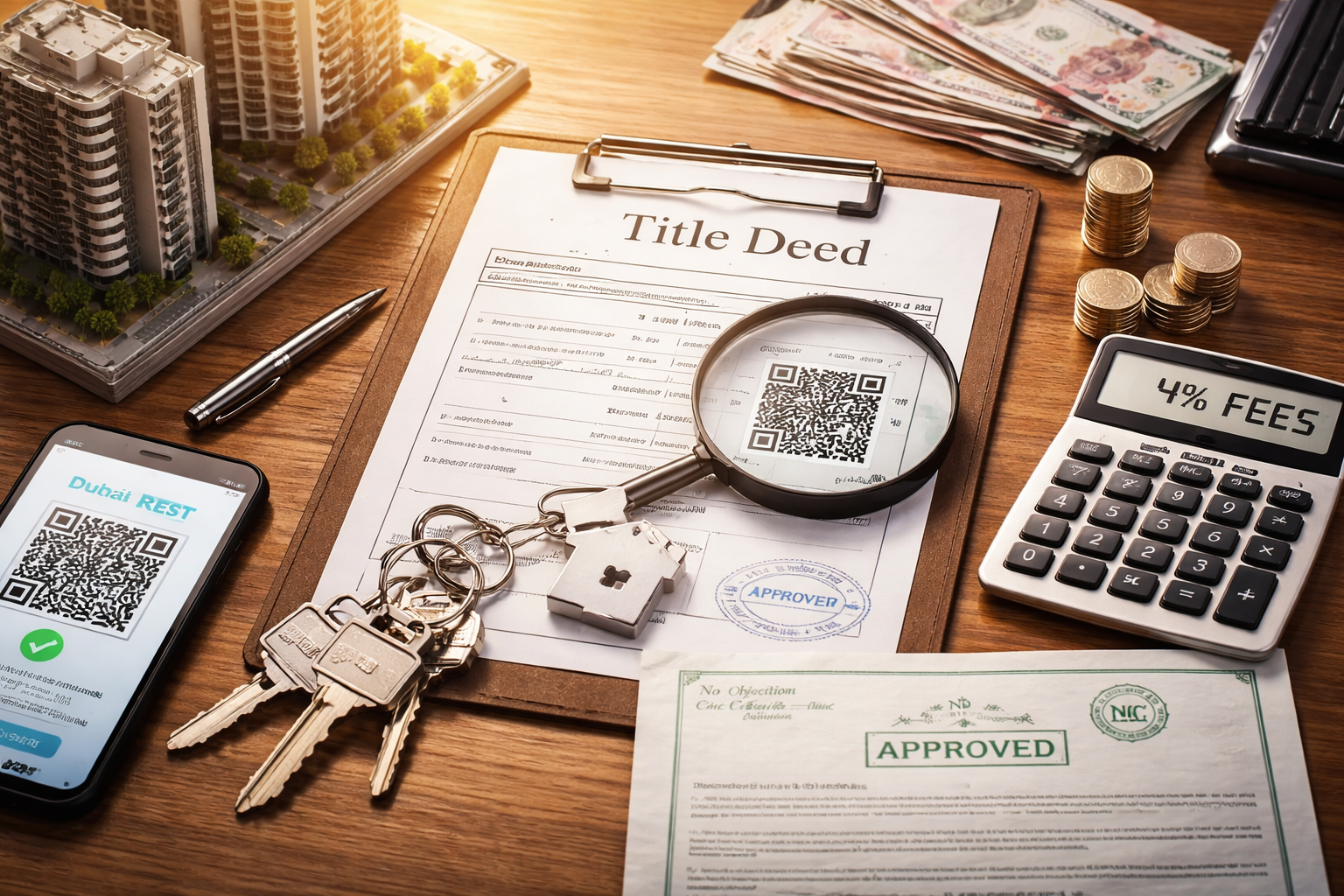
Skipping QR verification: Relying on a printed copy of a deed without scanning the QR code is risky. Real-time verification via the Dubai REST App is the only way to confirm a deed hasn't been blocked or cancelled.
Miscalculating the total costs: Buyers sometimes budget for the property price but forget the 4% DLD transfer fee and the Trustee office registration fees. These must be paid up front for the deed to be issued.
Ignoring the ownership type: Failing to check if a property is Freehold or Leasehold can lead to surprises later regarding long-term rights and visa eligibility.
Forgetting the NOC: In Dubai, you cannot get a title deed without a No Objection Certificate (NOC) from the developer. Forgetting to request this early can stall the entire transfer process for weeks.
Final Thoughts
In Dubai, ownership is a matter of record, not a handshake. Verbal agreements or booking receipts might start the conversation, but they don't carry any legal weight in a courtroom or a bank. The Title Deed is the only document that anchors an investment in the Dubai Land Department system. It is the master key for everything that comes after the purchase, whether that is reselling for a profit, securing a mortgage, or applying for a Golden Visa. For any buyer, this document represents the transition from a financial transaction to a protected asset. The Title Deed functions as the ownership itself.
If you are planning to buy, sell, or verify a property in Dubai, Linda’s Real Estate is ready to guide you through each step of the process. Reach out today to speak with our property specialists and make sure your ownership is properly registered from day one.