DUBAI LIFESTYLE
Understanding Title Deeds for Property Owners in Dubai
Dubai has earned a reputation as one of the most accessible real estate markets in the region, attracting people from around the world. Some buyers go for luxury villas in waterfront communities, others look at apartments in high-rise towers, while many invest in new off-plan projects. Regardless of the type of property, ownership only becomes official when the title deed is issued.
Without a title deed, you don't truly own the property. It's the single most important document you'll hold as a property owner in Dubai. Let's break down what it is, how you get it, and why it matters so much.
What Exactly Is a Title Deed?
A title deed is the official document issued by the Dubai Land Department (DLD) that proves ownership of a property. It has details such as:
- The owner's name
- The property type (apartment, villa, land, office, etc.)
- The location of the property
- Plot number and size of the property
- Date of registration
If you hold the title deed, you are legally recognised as the owner of that property in Dubai. It's your key to selling, renting out, or transferring the property in the future.
Who Issues Title Deeds in Dubai?
The Dubai Land Department (DLD) is the government authority responsible for regulating and documenting all real estate transactions in the emirate. Every property purchase, whether it's from a developer or a private seller, gets registered with them. Developers send the paperwork to DLD once you've cleared payments. In resale deals, the buyer and seller go to a DLD trustee office to complete the transfer. In both cases, DLD's role is to verify the details, update their records, and then issue the title deed to the new owner.
The government authority, DLD, backs the title deed, so you don't have to worry about hidden claims on the property or disputes later on. If your name is on the deed, the law recognises you as the rightful owner.
Title Deeds for Freehold vs. Leasehold Properties
Dubai's property market is open to foreigners, but it's important to understand the difference between freehold and leasehold ownership, because it affects the title deed you'll receive.
Freehold Ownership
In freehold areas, buyers acquire full ownership of the property and the land on which it is situated. Once the title deed is issued, your name is officially recorded as the owner, and you can sell, rent, or transfer the property without requiring permission from anyone else. Downtown Dubai, Dubai Marina, Palm Jumeirah, and Business Bay are the popular freehold zones in Dubai. These areas are attractive to overseas investors because they offer complete control over the property.
Leasehold Ownership
Leasehold properties work differently. Here, ownership is not permanent. You can purchase a property, but it comes with a lease for a set period, usually 99 years. The title deed in these cases shows the lease duration and any conditions attached. While you have the right to use the property, you don't own the land indefinitely. Leasehold areas are usually found in older communities or specific development zones.
We can say that a freehold title deed gives long-term security and flexibility, while a leasehold title deed is more limited in terms of ownership rights.
Off-Plan Properties Scenario
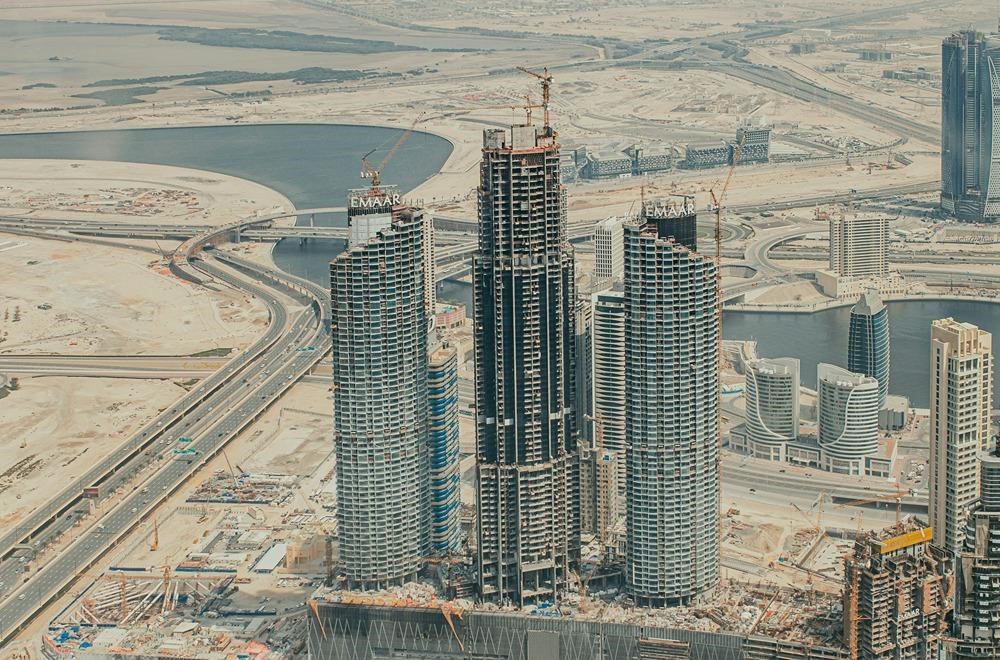
Many people in Dubai prefer buying off-plan properties because they allow them to get in early on a new project. Off-plan means the building or property isn't ready yet, so you can't move in immediately. In this case, you don't receive the full title deed when you purchase. Instead, the Dubai Land Department issues an Oqood certificate, which serves as temporary proof of ownership. It records your rights as a buyer while the property is still being built, so your investment is protected.
Once construction is finished, the Oqood is replaced with a full title deed in your name. That's the moment you officially become the legal owner, and the property is fully registered with DLD.
How Do You Get a Title Deed in Dubai?
The steps you take to get a title deed depend on whether you're buying directly from a developer or from someone who already owns the property. Let's look at both situations.
Buying from a Developer (First Sale)
If you're buying a brand-new property, the process begins with signing the Sales and Purchase Agreement, commonly referred to as the SPA. From there, you keep up with the payment plan until the property is complete.
Once you've paid everything in full and the handover is complete, the developer will go to the Dubai Land Department on your behalf to register the property. After the DLD checks all the details and confirms everything is in order, they issue the title deed in your name. That's when you officially become the legal owner.
Buying from an Existing Owner (Resale)
When buying a resale property, the steps take on a slightly different approach. The current owner must first obtain a No Objection Certificate (NOC) from the developer. This document confirms that there are no outstanding service charges or pending issues associated with the property.
After that, the buyer and seller meet at a DLD-approved trustee's office, where the transfer takes place. The buyer makes the payment, usually with a manager's cheque written out to the seller, and the trustee oversees the process.
Once the payment is confirmed and the paperwork is done, the Dubai Land Department records the transfer and issues a fresh title deed in the buyer's name.
However, there are a few things to check Before You Receive a Title Deed:
- Ensure your name is spelt correctly.
- Confirm the property details (size, location, unit number).
- Check the registration date.
- Scan the QR code to verify the record with DLD.
It's always better to double-check everything early on, rather than discovering errors later when you want to sell or rent out the property.
What Does a Title Deed Look Like?
Dubai's title deeds are simple documents. They're usually one or two pages, printed on official paper with the DLD logo and security features. It carries all the information that matters, such as:
- Owner details
- Property description
- Project name and number
- Registration date
- QR code for verification
The QR code confirms the authenticity of the document through the DLD's app or website. It's a simple way to make sure what you're holding is 100% legitimate.
How Much Does It Cost to Get a Title Deed?
Registering a property and receiving a title deed involves fees, which are paid to DLD at the time of transfer. They are:
4% of the property's purchase price as a registration fee
AED 250 for the title deed Certificate Issuance
AED 10 as a knowledge Fee
AED 10 as an innovation Fee
Why Is the Title Deed Important?
The title deed gives you legal protection as a property owner. Here's why it matters:
- You can't sell or transfer property without it.
- Banks require it if you want to take a mortgage.
- It serves as proof of ownership in the event of disputes.
- It allows you to rent out your property legally.
In simple words, if your name is on the title deed, you own the property. If it isn't, you don't.
Digital Title Deeds
In recent years, Dubai has moved many of its property services online. Today, you can access digital versions of your title deed through the Dubai REST app. It carries the same legal weight as the paper version and can be shared electronically when needed.
This move to digital has made things easier for overseas investors who may not always be in Dubai to handle paperwork.
Title Deeds for Inherited or Gifted Properties
Ownership transfers don't only happen through sales. Sometimes properties are inherited or gifted. In these situations, DLD also plays a role.
For inheritance, the property must first go through the Dubai Courts, and the rightful heirs will be determined. Once that's complete, DLD issues new title deeds in the names of the heirs.
For gifts, the process is similar to a regular transfer, but the fee is usually 0.125% of the property value instead of 4%.
Conclusion
Owning property in Dubai is a big step, and the title deed is at the centre of it all. It's the official record that confirms you are the legal owner. Without it, you can't prove ownership, sell your property, or even rent it out properly.
The process may feel overwhelming the first time you go through it, but once you understand the basics, it's quite straightforward. The Dubai Land Department has built a system that's organised and transparent, which makes buying and selling property here much smoother than in many other countries.
From off-plan projects to ready homes, we help buyers and investors make smart decisions in Dubai's property market. Contact us and let's start your journey today.