DUBAI LIVING
Thinking of Moving to Dubai? Here’s What You Should Know
So you're thinking about moving to Dubai. Perhaps a new job offer has just landed in your inbox. Maybe you've been curious about life in the UAE after hearing friends talk about it, or you're looking to experience something different for a few years. Whatever the reason, planning a move to Dubai is exciting, but it also comes with plenty of practical questions. Where will you live? How much will it cost? What do you need to know before packing your bags?
Dubai is a city that attracts people from all over the world. Out of its 3.95 million residents, nearly 87% are expats. So, chances are you'll be surrounded by people who were once in your shoes, adjusting to life in a new country, dealing with paperwork, and learning how the local systems work. It makes settling in a bit easier, but you'll still want a clear idea of what to expect before making the leap.
Let's walk through the essentials together, starting with what pulls people here in the first place.
Why Dubai Appeals to Expats
Dubai has a unique mix of attractions that set it apart from many global cities. A major advantage is the absence of personal income tax, meaning your salary is yours to keep, aside from everyday living expenses. That alone is enough to catch the eye of many professionals. Dubai features modern infrastructure, year-round sunshine, strong global connectivity, and an economy that keeps creating jobs, which is why so many expats decide to move here.
Sorting Out Your Visa
Before settling into Dubai, you need to understand how to stay legally in the country. Most expats come on work visas sponsored by their employer. In that case, your company handles much of the paperwork, though you may need to pay certain deposits or processing fees.
If you're investing in a business or property, you can apply for an investor visa. There's also the Golden Visa, a ten-year option if you meet certain financial (AED 2,000,000) or professional requirements. Retirees also have their own visa pathway, provided they meet income or savings criteria.
Finding a Place to Live
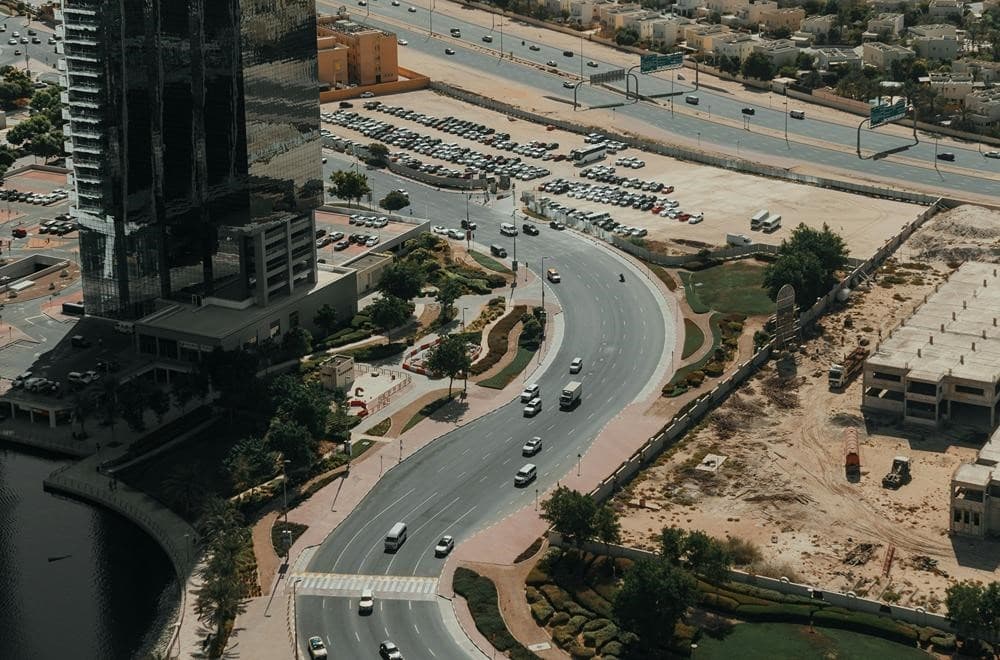
Dubai's housing market is diverse. Some people go for sleek apartments in the heart of Downtown, while others prefer villas in quieter communities on the outskirts. If you're single or moving as a couple, an apartment in areas like Dubai Marina, Jumeirah Lakes Towers, or Downtown Dubai might be appealing. They offer a lively environment, with cafés, gyms, and metro stations close by. A one-bedroom in the city centre, like Downtown Dubai, can cost around AED 110,000 a year. But if you're open to living a bit further out, the rent comes down quite a bit. The same type of apartment outside the city centre, for instance, Dubai Silicon Oasis, can cost closer to AED 50,000.
Families often look for space and a calmer environment. That's where communities like Arabian Ranches, Dubai Hills, or Mirdif come in. These areas have villas and townhouses with more room, gardens, and family-friendly amenities. Villas in sought-after developments can easily cost from AED 220,000 upward, depending on size and location.
Rent has been climbing in recent years. In 2024, apartment rents increased by about 22%, and villa rents by 13% in many areas. The trend is continuing into 2025, though the pace may vary by neighbourhood. If you're planning to rent, be prepared for the fact that landlords often prefer a few large payments each year instead of monthly rent. Some accept four cheques, while others accept only one or two.
Buying a Property
Buying property is also an option, especially if you're looking at staying long-term. Dubai allows foreigners to own freehold property in designated areas. A purchase might even make you eligible for certain types of residency visas, like the Golden Visa, depending on the value of the property. That said, buying comes with a down payment of at least 20%, DLD transfer fees of 4%, and ongoing service charges. It's a big commitment, so many newcomers start by renting to get a feel for the city.
Choosing the Right Neighbourhood
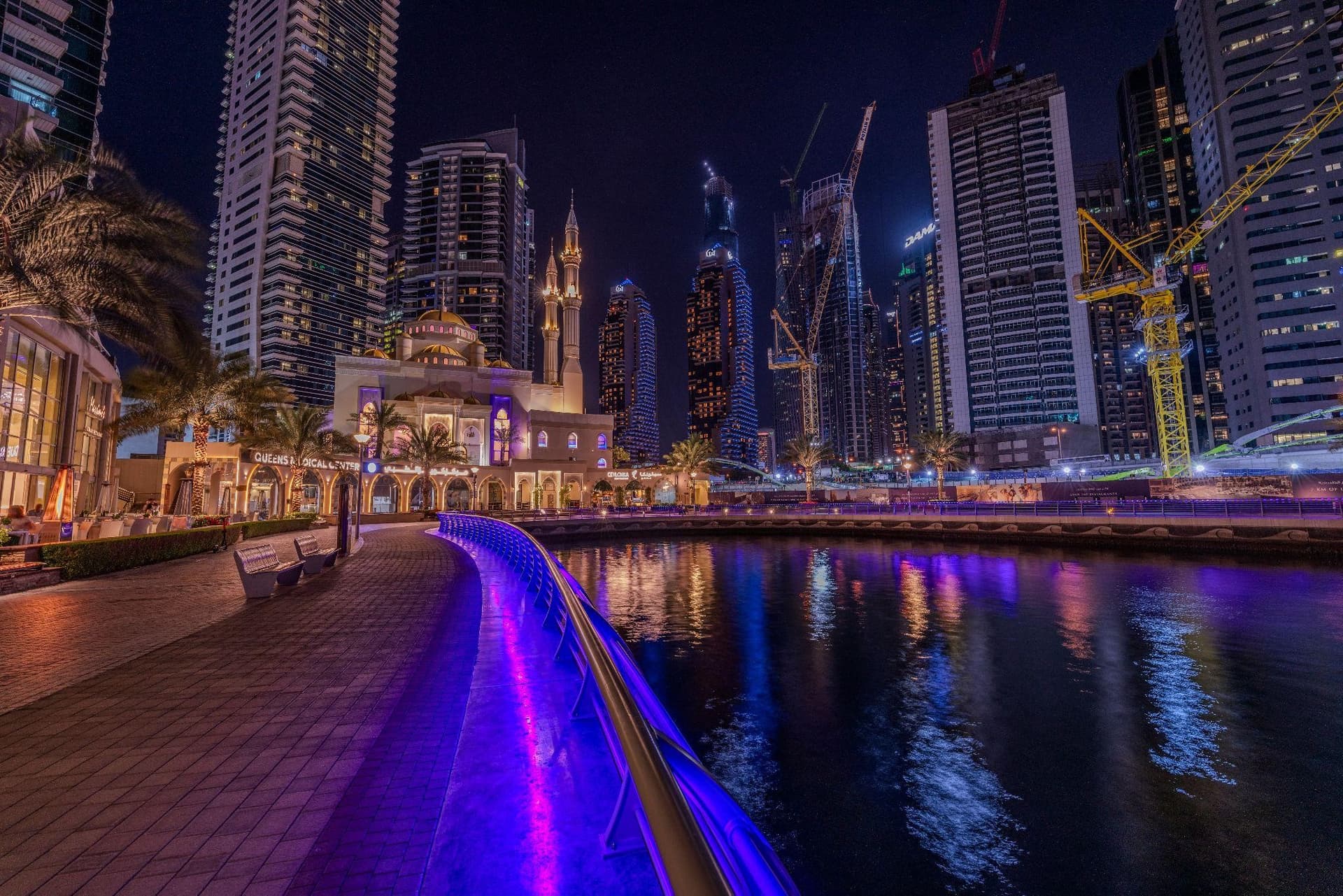
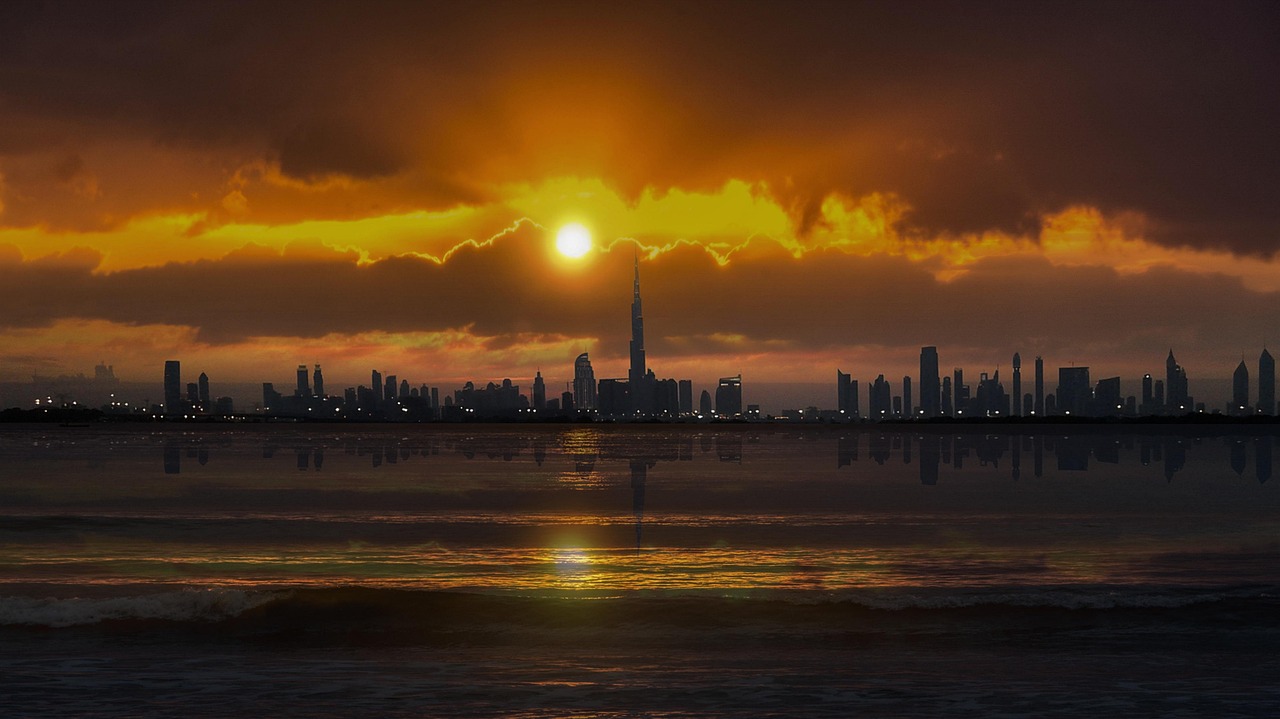
Dubai is really a collection of neighbourhoods, and each one has its own personality. If you live in Downtown Dubai, you're right by the Burj Khalifa, with malls and restaurants on your doorstep. Over at the Dubai Marina or JBR, life feels more energetic, with beach days, late-night cafés, and a steady mix of residents and visitors. Just across the way, Jumeirah Lakes Towers offers similar convenience at a price point that's usually a little easier on the pocket.
If you prefer a slower pace, places like Mirdif, Dubai Hills, or Arabian Ranches could be just what you're looking for. They're popular with families for their extra space, parks, and greenery. If you're watching your budget closely, areas such as Al Nahda, International City, or older parts of Deira tend to be more affordable. However, they don't have the same level of facilities or high-end touches.
The nice part is that no matter where you end up, getting around isn't too much of a headache. The metro connects key business and residential districts, and new roads and developments continue to expand the city outward.
The Practical Side of Settling In
Once you've landed and found your home, there are a few things to expect in the first weeks. Setting up electricity and water are the most important tasks. The Dubai Electricity and Water Authority (DEWA) is a government entity that provides electricity and water connections, which require a deposit of AED 2,000 for apartments and AED 4,000 for villas. Most homes use district cooling for air conditioning, so don't be surprised when you get a separate bill for it each month. Getting internet and phone set up can take a few days, so it's best to apply as soon as you can.
You'll also notice that communities are pretty well-organised. From parking spots to pool timings, there are rules for just about everything, which keep life orderly. Rush-hour traffic is something you'll notice right away. A short trip on the map can take twice as long, so most people adjust their schedules to avoid peak hours.
Cost of Living
Utilities and Bills
The first thing many expats look at is rent, but it's not the only expense. Electricity and water bills can range anywhere from AED 500 to over AED 1,000 a month for an apartment, especially in summer when the air conditioning runs nonstop. Internet and mobile plans together can add another AED 300–800.
Groceries and Eating Out
Grocery costs in Dubai depend on the way you shop. If most of what you buy is local, the bill tends to stay fairly reasonable, but once you start filling the basket with imported products, the price quickly goes up. A single person usually spends somewhere between AED 800 and 1,200 a month, while a family's expenses are naturally higher. Eating out is also part of life for many expats; there are plenty of affordable options for everyday meals, but international restaurants and fine dining can make a noticeable difference in your monthly spending.
Getting Around
The cost of getting around in Dubai depends on whether you rely on public transport or have a car of your own. The metro and buses cover most of the main areas of the city, and monthly passes keep costs affordable, while taxis are easy to find but can become expensive if you're using them every day. Many expats choose to buy or lease a car because it offers more flexibility, and fuel prices are still lower here than in many other countries.
Schooling and Healthcare
If you're moving with children, schooling is one of the biggest costs to plan for. International schools make up the majority of options in Dubai, and fees can range from around AED 25,000 a year at the lower end to more than AED 65,000 at the most prestigious schools. Healthcare is another important consideration. Having health insurance is mandatory, and while many employers cover the cost, you'll want to look closely at what is included in the policy, especially for family members.
What Salary Do You Need?
So what kind of salary makes life comfortable in Dubai? For a single person in a decent one-bedroom apartment, a monthly income of AED 12,000–20,000 generally covers rent, bills, food, and some leisure. Families need a higher income to live comfortably, especially when considering school fees and the additional housing costs required for more space.
Weather in Dubai
One thing you notice right away after moving to Dubai is the weather. Winters are the season everyone looks forward to. From November to March, the days are warm but comfortable, and evenings can even feel a little cool. This is the time of the year when outdoor cafés are buzzing, beaches are full, and the city hosts most of its major events and festivals.
Summer is a different story. From June through September, temperatures can soar well above 40°C, and the humidity makes it feel even hotter. Life during these months shifts indoors, and the air conditioning becomes your best friend. Most expats adjust their routines by running errands early in the morning or late in the evening, and spending more time in malls, gyms, and indoor spaces. At first, it takes a bit of adjusting, but once you get a feel for the yearly rhythm, you’ll naturally work around it.
Customs and Traditions
Dubai is modern and international, but it's still rooted in Emirati culture and traditions. Respect for local customs goes a long way, especially since the city is home to people from so many backgrounds. For example, modest clothing is expected in government offices and more traditional areas, while casual wear is fine in malls and restaurants.
Family and hospitality are central to local life. Invitations to someone's home are treated with warmth, and it's polite to accept refreshments if offered. While Arabic is the official language, English is spoken almost everywhere, which makes day-to-day life easier for newcomers. For expats, understanding and respecting these traditions gives a richer sense of connection to the place they're living in.
Conclusion
Moving to Dubai is a big decision, but it's one that thousands of people make every year. The city has a way of offering something for nearly everyone, whether it's career growth, financial benefits, or simply the adventure of living somewhere new. If you plan carefully, set a realistic budget, and take the time to explore neighbourhoods before settling down, Dubai can be a very rewarding place to live. You'll find yourself surrounded by people from all over the globe, each with their own story, and before long, you'll have your own story to tell.
Choosing the right home is key to feeling settled. Our experienced team is here to guide you through every stage, from exploring neighbourhoods to securing your new property.
Contact us to begin your search with confidence.