HOME DECOR
Best Smart Home Features for Dubai Villas | Energy & Security
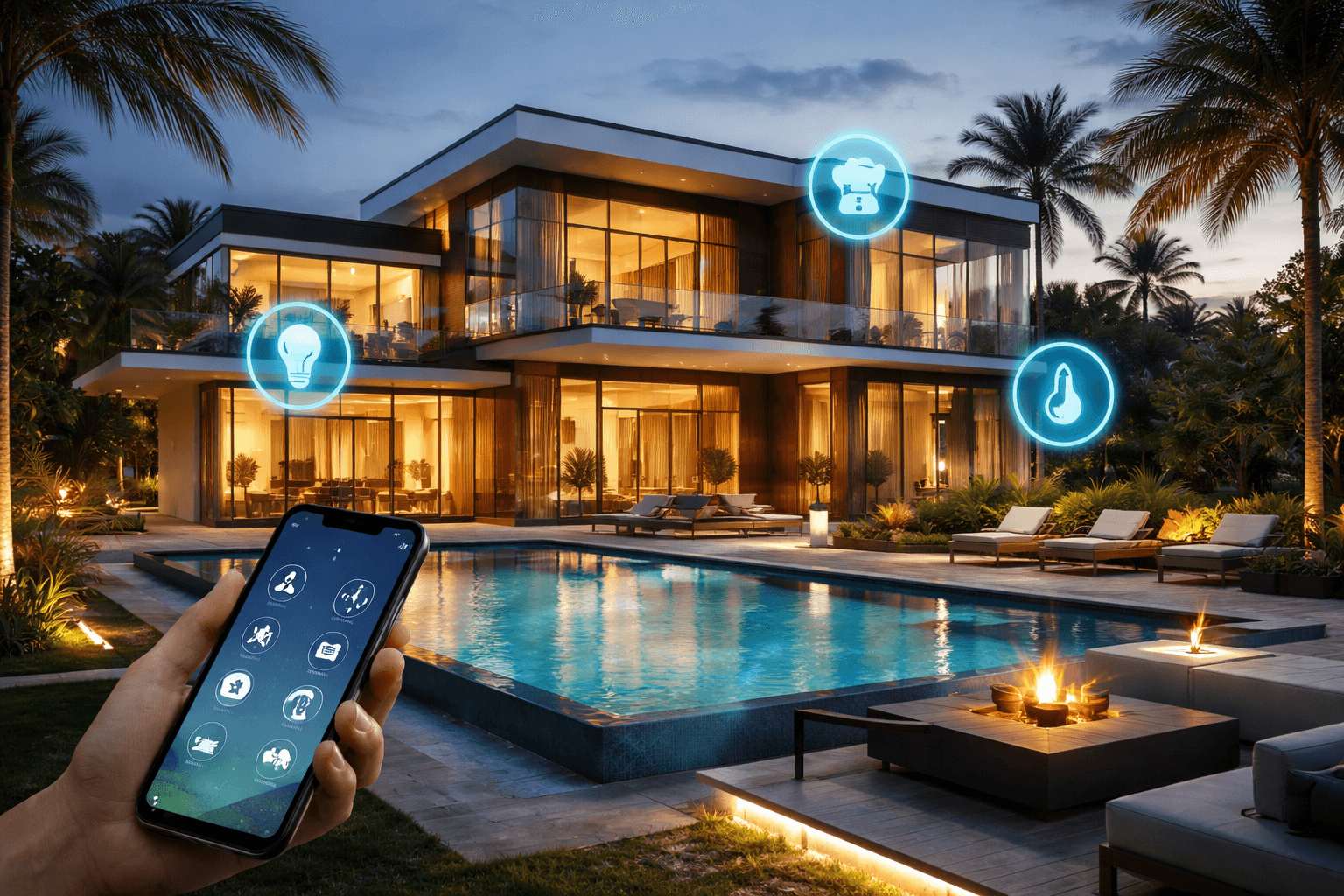
Living in a Dubai villa already brings space, privacy, and a calmer pace to everyday life. Smart home features do not change that feeling; they simply remove small frictions people deal with daily. Lights left on, cooling running longer than needed, doors checked twice before sleeping, all handled quietly in the background.
Smart homes in Dubai no longer feel like a future idea or a showpiece feature. New villa communities include them as part of normal living, not as an upgrade. Many homeowners add them later for practical reasons, similar to improving insulation or upgrading parking spaces.
Below is a closer look at smart home features that genuinely suit villa living in Dubai and how they fit into routines people already follow every day.
At a Glance
- Climate control plays the biggest role in managing cooling costs in large villas.
- Smart lighting reduces electricity use across indoor and outdoor areas without affecting comfort.
- Security systems add practical control through cameras, alerts, and remote access.
- Smart door locks simplify daily entry by removing the need for physical keys.
- Water management systems help detect leaks early and improve outdoor water use.
- Smart home hubs make villa systems easier to manage by reducing app clutter.
Smart Climate Control
Dubai heat shapes how homes feel for most months of the year, especially inside large villas with multiple rooms. Air conditioning works harder here than in many other cities, which shows up on monthly bills. Smart thermostats manage that load without turning daily living into a technical exercise.
Instead of following fixed timings, the system responds to how the villa is actually used across the day. Here’s how:
- Cooling is reduced in rooms that remain unused for long stretches during the day.
- Bedrooms reach comfortable levels closer to nighttime without remaining cold for hours.
- Living areas ease back during work hours as activity across the villa drops.
Over time, cooling begins to follow real household use, no longer running at full power from morning until night.
According to figures from the Dubai Electricity and Water Authority, cooling can account for more than 60% of electricity use in villas during the peak summer months. Smart temperature control helps reduce that share by roughly 10-25%, depending on the size of the home and its daily routines. The difference shows up gradually, month by month, without changing how comfortable the villa feels.
Smart Lighting
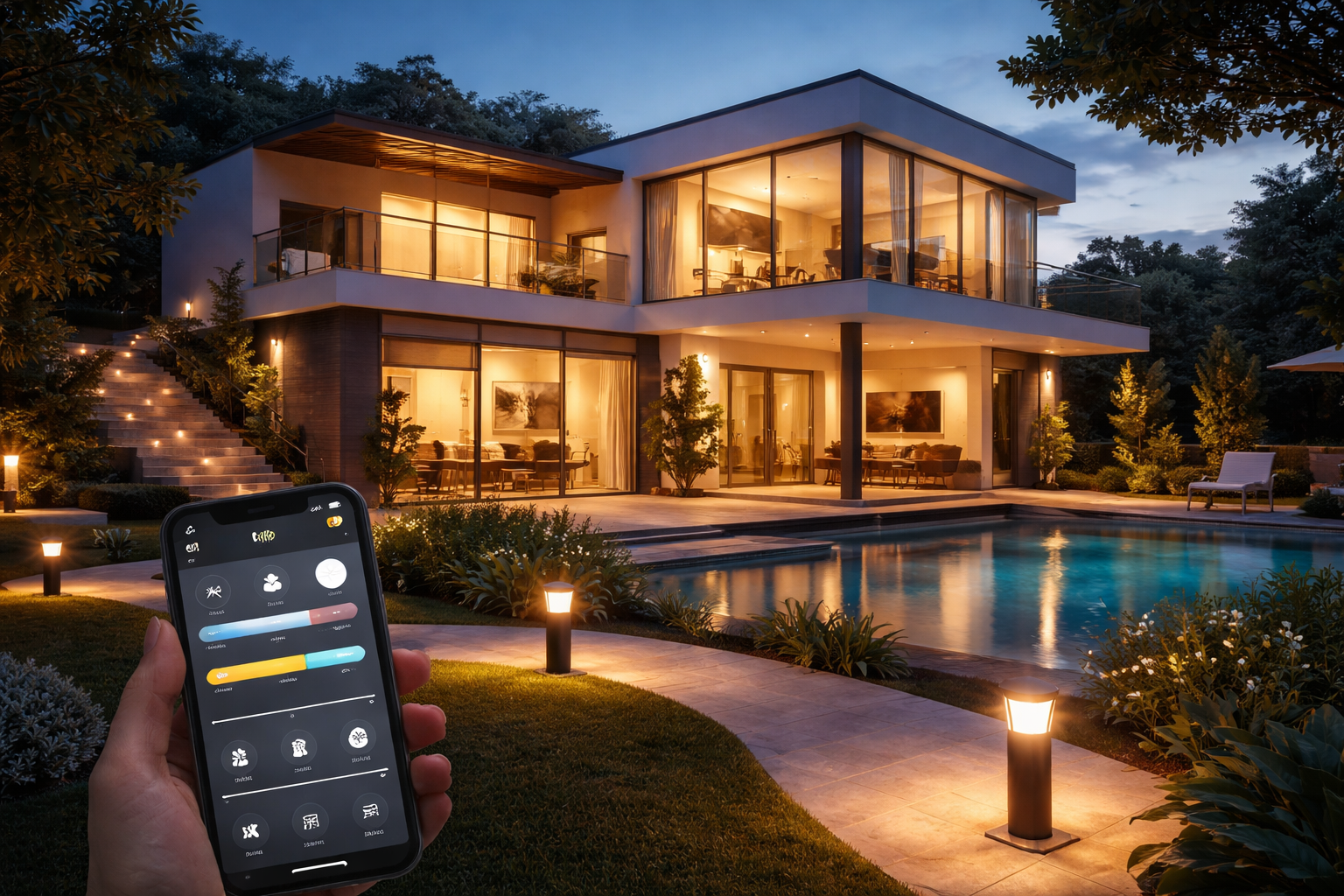
Lighting rarely gets much attention until the electricity bill lands. Villas spread light across many areas, from hallways and staircases to gardens and outdoor paths. Quite a few of those lights stay on longer than needed, mostly out of habit rather than intention.
Smart lighting takes care of that without needing anyone to keep checking switches. The system responds to how the home is being used across the day and evening.
Here is where smart lighting starts to make sense in villa living:
- Lights ease off once rooms remain empty for a period of time.
- Outdoor lighting follows sunset timings naturally without manual input.
- Brightness levels adjust throughout the day based on activity and ambient light.
LED smart bulbs already use far less electricity than older lighting. Motion sensors and timers push those savings even further, especially in larger villas where lighting spans multiple floors and outdoor spaces.
Homeowners notice the difference within a few billing cycles, simply because fewer lights stay on without purpose.
Smart Security Systems
Security is one of the top priorities for villa owners in Dubai, even inside gated communities where privacy already feels strong. Smart security systems add practical control by showing visitors through video doorbells, monitoring entrances and gardens with cameras, and sending instant alerts the moment movement appears.
Dubai is consistently ranked as one of the safest cities in the world, and smart systems further enhance that environment by reducing response times and improving awareness. Remote access plays a big role, too, allowing homeowners to check cameras while travelling, open gates for deliveries, and receive alerts if doors open at unusual hours. Control feels easy, without the need to constantly check.
Smart Door Locks
Keys can get misplaced, left inside, or passed around more than intended. Many villa owners in Dubai use smart locks to manage daily access without being physically present. Entry records show when doors open and close, which helps track movement without asking questions. Doors lock automatically if left open, reducing those moments of doubt after leaving home.
Regional smart home installers report fewer lockout cases after smart locks are installed. People no longer get stuck outside because access no longer depends on carrying keys everywhere. Daily movement in and out of the house also becomes simpler. Phones stay in pockets, hands stay free, and doors open without delays. Smart locks make daily entry easier and remove the need for keys.
Smart Water Management
Water leaks cause costly problems in villas, especially when they stay hidden for too long. A small pipe issue can slowly damage floors, walls, and cabinets before anyone notices. Smart water sensors help catch those issues early. The system sends an alert as soon as moisture appears where it shouldn't. Some setups also automatically shut off the water supply to limit damage before it spreads. That early response makes a real difference in larger homes where leaks can go unnoticed for days.
Water use in Dubai villas is also higher than in apartments, mainly due to gardens and swimming pools. Smart irrigation systems help manage outdoor water use without constant supervision. Sprinklers adjust based on temperature and humidity levels. Watering pauses during cooler nights or after rainfall to avoid unnecessary use.
DEWA encourages water efficiency across residential properties, and smart water management naturally fits into that effort. Monthly bills come down without changing daily habits or routines. Less water goes to waste, and fewer surprises show up later.
You may also like: How to Maintain Your Villa in Dubai’s Climate
Smart Home Hubs
Too many apps can become frustrating in villas where multiple systems run simultaneously. Smart home hubs solve that by bringing everything into one place, so control feels easier and more natural. Lighting, temperature, security, and entertainment are accessed through a single interface instead of separate apps. Voice control helps manage daily routines without needing screens or constant tapping. Simple commands handle tasks that would otherwise take several steps.
Daily routines also feel smoother once systems start working together. Morning settings can turn on lights, adjust cooling, and open curtains. Evening settings secure doors, soften lighting, and lower temperatures with one action instead of repeated checks.
Smart home hubs keep control simple and let technology blend into daily routines without requiring constant attention.
Smart Energy Monitoring Systems
Smart energy monitoring shows how much electricity a villa uses each day and where that usage comes from. The system breaks down consumption across cooling, lighting, and other appliances. Once usage becomes clear, people naturally adjust their habits. They start adjusting the cooling settings with little effort. Lights stop staying on longer than needed, and appliances get used with a bit more awareness throughout the day. These small changes reduce overall consumption over time without disrupting daily routines.
Dubai homeowners using energy monitoring systems report better control over monthly expenses and fewer unexpected bills.
Smart Features Support Rental Value
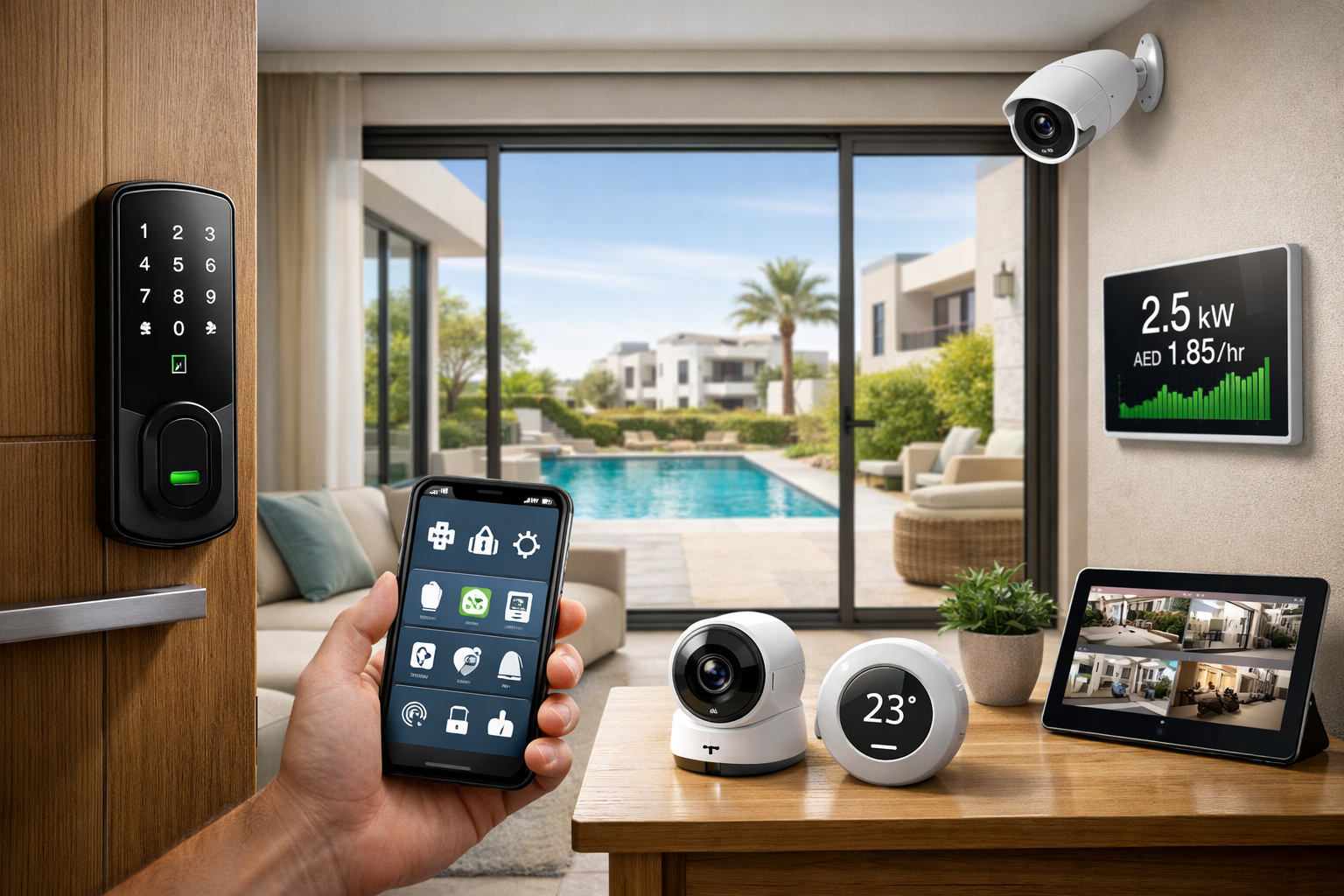
In Dubai’s villa market, the right setup can also support rental value without turning the home into something complicated. Homes with smart access, lower utility costs, and basic security attract tenants faster. Long-term renters like predictable bills and easy entry. Holiday home operators seek remote access and monitoring that reduces on-site visits. Property listings already clearly highlight these features, so tenants understand the value without much explanation.
Smart features do not need to be extensive to support rental value. A few well-chosen systems usually do more than a full setup that feels complicated. When the home feels easy to live in, tenants respond to that, and occupancy follows naturally.
Conclusion
Smart home features in Dubai villas matter most when they improve comfort, safety, and efficiency in everyday living. Lower bills, smoother routines, and fewer interruptions tend to show the real value over time. Technology works best when it does not ask for attention, especially in villas that already offer space and calm. Smart systems support that lifestyle by handling small tasks in a way that feels natural, helping the home respond better to how people live inside it day to day.
Buying or selling a villa in Dubai? Speak with our brokers to understand how smart home features affect pricing, demand, and rental appeal.
Related blog: Top Mistakes to Avoid as a New Homeowner