SELLING
How Renovations Affect Property Value in Dubai | Linda’s Real Estate
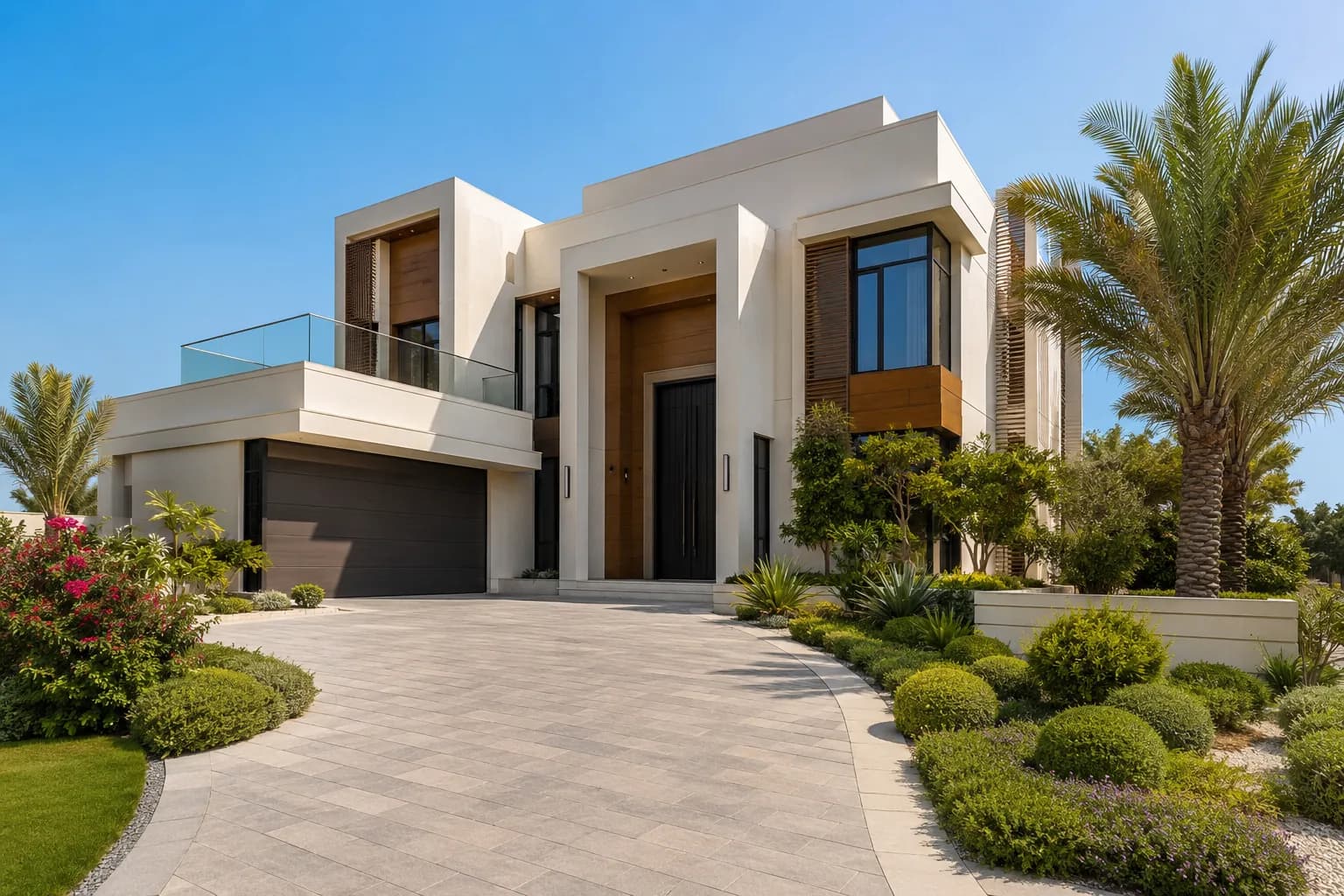
A fresh kitchen or a repainted villa in Dubai does not always lead to a higher sale price. Renovation spending only pays off when it matches the property type and the nearby buyer pool. Some upgrades add a premium at resale. Others simply cover their own cost, or lose money outright. Dubai's resale market has enough competition now that interior condition affects what a unit sells or rents for and how many buyers attend a viewing in the first place.
Key Takeaways
- Renovation can raise a Dubai property's resale or rental value when the work matches buyer and tenant expectations.
- A kitchen remodel typically costs AED 45,000 to AED 180,000 for a mid-range result, and can add an estimated 10% to 18% to unit value when the finish matches the building's market position.
- A full villa renovation can cost AED 300,000 to AED 1 million or more, with an estimated 10% to 20% value uplift.
- Luxury finishes in a mid-market building may not recover their full cost at resale.
- Bold colours and highly personal designs can narrow the pool of future buyers.
- Permits and building approvals should be checked before renovation work begins.
What Makes Renovations Valuable in Dubai Real Estate?
Dubai's property market moves fast, and buyers compare listings side by side within minutes on portals like Linda’s Real Estate. A home that looks dated next to a freshly renovated unit in the same building loses buyer attention immediately, even when the asking price is lower. Renovation work signals maintenance history and tells a buyer or tenant that the unit has been cared for. The supply of off-plan properties in Dubai keeps growing, so resale units need an edge. Interiors are commonly the deciding factor between two similar listings.
Renovations That Can Add The Most Value in Dubai
Not every upgrade pays for itself. The ones that do follow a pattern:
- They touch a room buyers judge fast
- They use finishes that look good in photos and in person
Here’s a breakdown of the upgrades that consistently move the needle in Dubai:
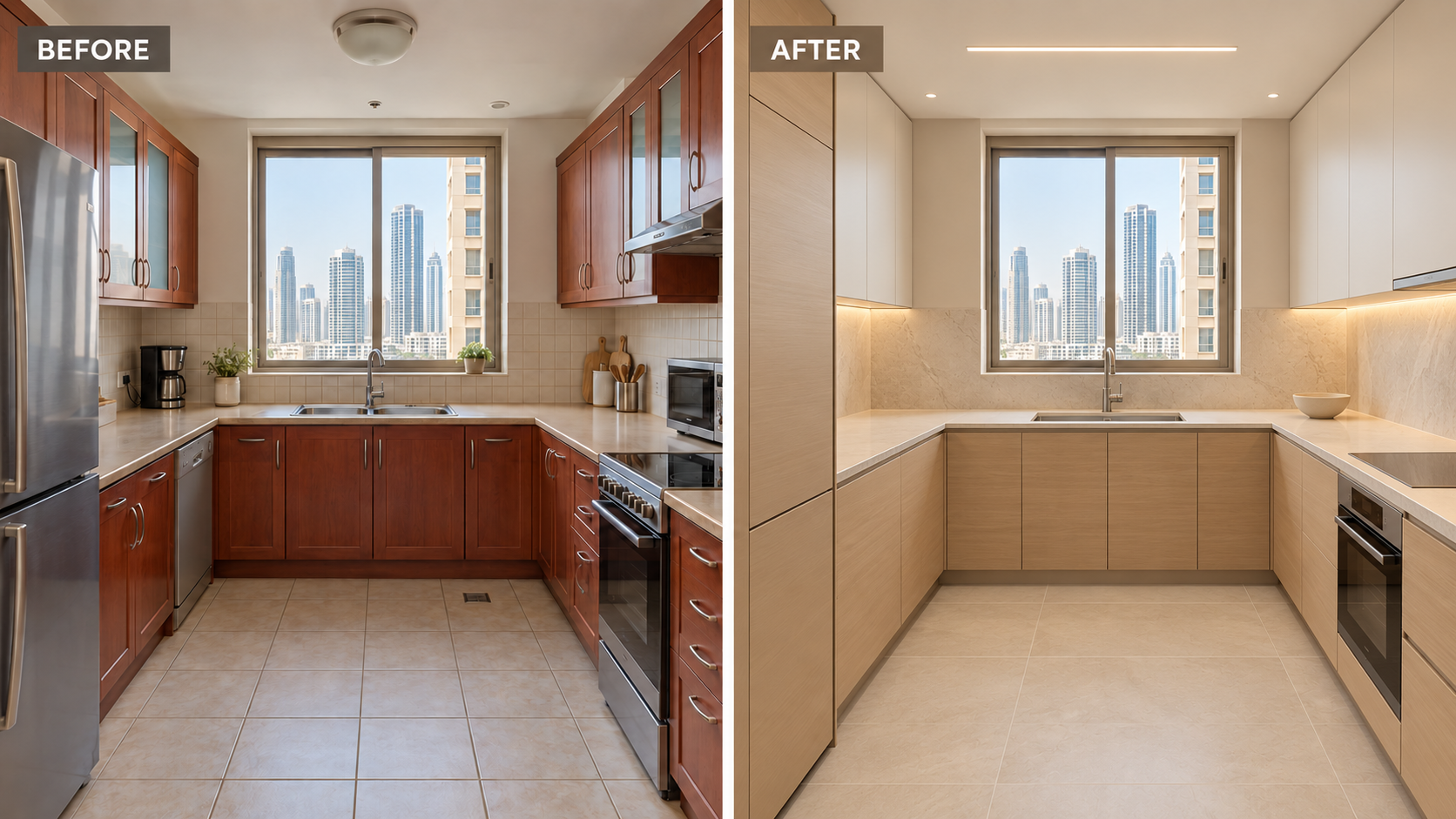
Kitchen remodels: New cabinetry, quartz or granite countertops, and matching appliances have a major impact on a buyer's first impression, since an open-plan kitchen is visible from the living area in most Dubai apartments. Replacing a dated laminate finish with a stone countertop can also improve how a unit photographs.
Bathroom upgrades: Fresh tiling, a new vanity, and modern fixtures update a space that buyers inspect closely during viewings. Swapping a worn bathtub for a walk-in shower suits smaller Dubai apartments better and creates a more modern layout.
Flooring: Porcelain tiles or engineered wood in place of worn ceramic or carpet lifts the perceived value of an entire unit for a moderate cost. Marble flooring in villa entrances and living rooms has particular appeal in higher-end communities such as Emirates Hills or Palm Jumeirah.
Paint and lighting: Neutral tones and LED downlights make rooms photograph larger and brighter. Dark or highly personal colour schemes need repainting before viewings, so a neutral palette saves that step for a future buyer.
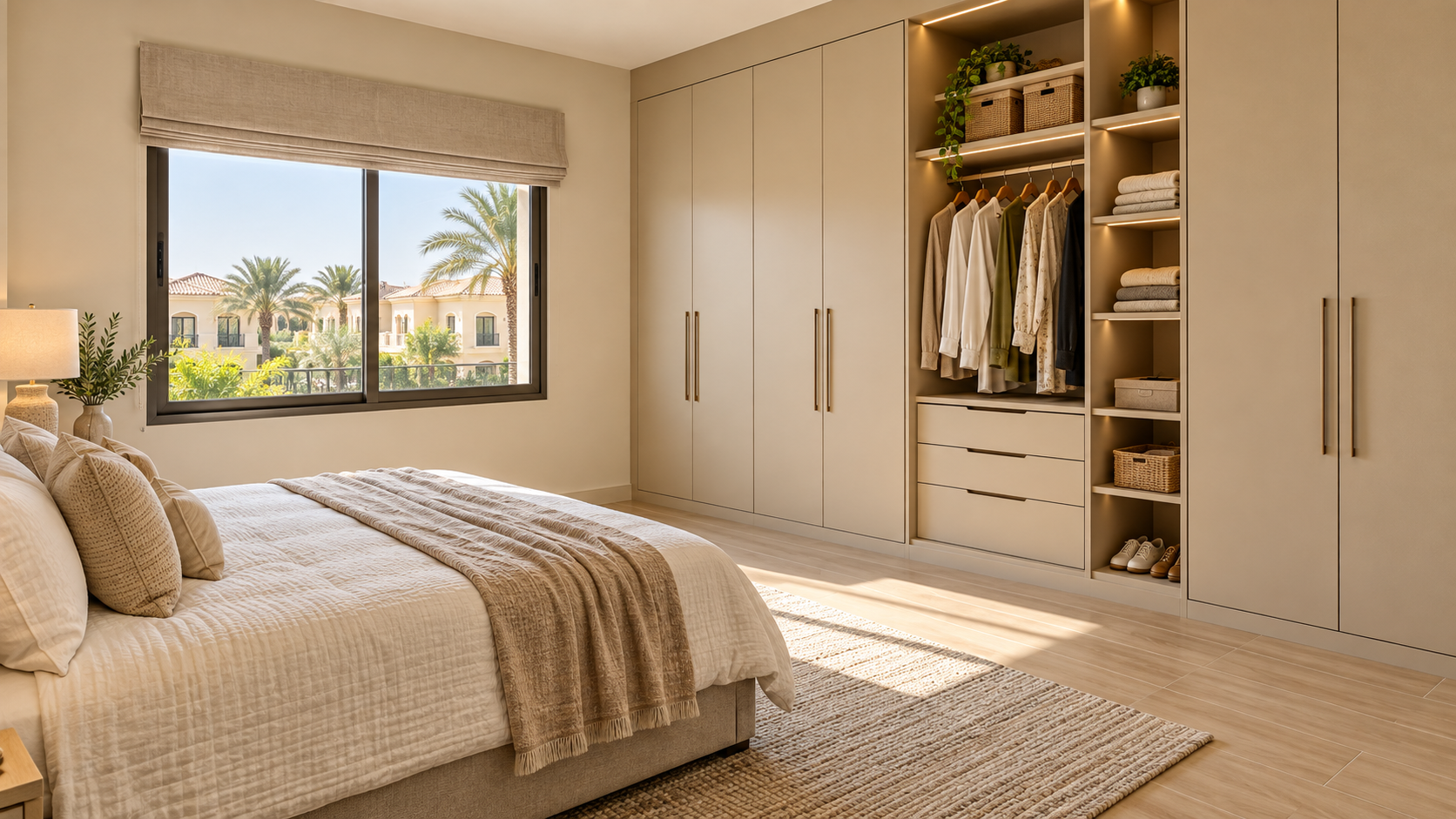
Built-in storage: Fitted wardrobes and kitchen storage solve a common complaint from tenants and buyers in Dubai, where built-in closets are not standard in every building. Added storage space shows well in listing photos and reduces a buyer's own move-in costs.
Smart home basics: A smart lock, programmable lighting scenes, and LED dimmers cost between AED 900 and AED 4,800 for a standard apartment and add a modern feel that photographs well. Buyers in 2026 increasingly expect basic smart controls as standard, and the objection 'this feels dated' during a viewing is one of the easiest to remove for a relatively small spend.
Outdoor space for villas: A landscaped garden, a shaded majlis area, or a refreshed pool deck adds value in villa communities. Buyers may place as much importance on outdoor space as interior square footage during a viewing.
How Do Renovation Costs Differ for Dubai Villas and Apartments?
Villa renovations in Arabian Ranches, Jumeirah Park, or The Springs have higher costs but also greater potential for value gain. Owners can extend living space, add a majlis, or landscape a garden. Apartment renovations in towers like those in Dubai Marina or Jumeirah Lake Towers (JLT) face building rules on structural changes, so most value comes from interior finishes. A villa owner planning a full renovation should budget for permits from Dubai Municipality or the relevant developer. An apartment owner mainly needs a No Objection Certificate (NOC) from the building management before starting work.
Renovation Costs Versus Value Added
Renovation Type | Cost Range (AED) | Value Uplift |
Kitchen remodel | 45,000 to 180,000 | 10–18% of unit value |
Bathroom upgrade | 15,000–40,000 per bathroom | 3–6% of unit value |
Flooring replacement | 40–120 per sq ft | 3–5% of unit value |
Fresh paint and lighting | 8,000–20,000 | 2–4% of unit value |
Full villa renovation | 300,000–1,000,000+ | 10–20% of unit value |
One cost that catches bathroom projects off guard is plumbing relocation. If the existing toilet, shower, or drain positions stay in place, the figures in the table above hold. The moment you move a drain or relocate a toilet, you're looking at additional waterproofing layers, MEP work, and a building inspection, which can roughly double the bathroom budget. If you're planning a layout change rather than a like-for-like upgrade, get a separate quote before committing.
Figures reflect mid-range finishes with existing layouts kept in place. Moving plumbing, relocating drainage, or upgrading electrical loading can roughly double costs for kitchens and bathrooms. These ranges are a starting point for planning conversations with a licensed contractor, not a final quote.
Permits and Approvals Before Starting Work
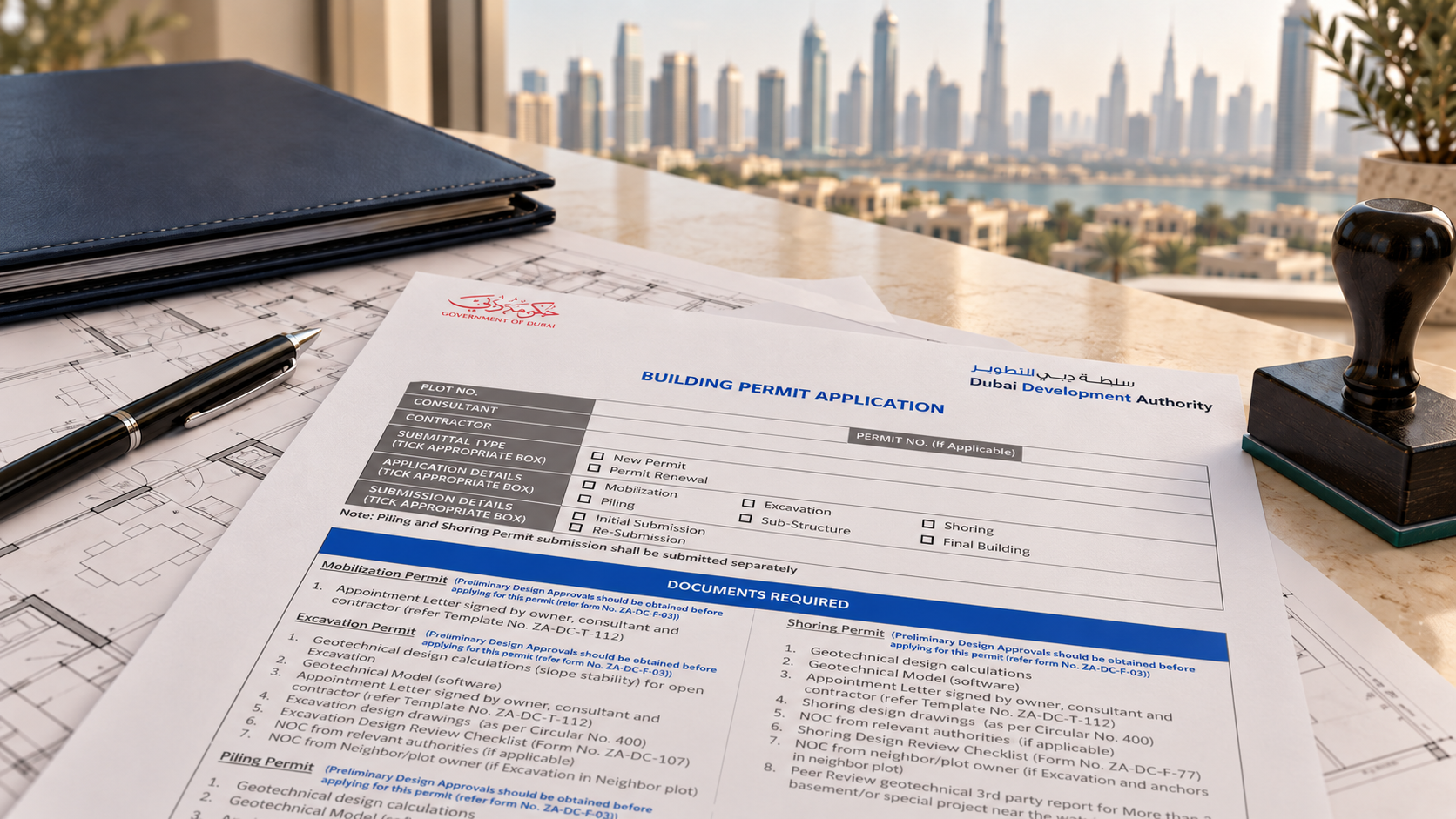
Skipping approvals is one of the fastest ways to turn a renovation into a legal headache. The requirements differ by property type and community. An individual owner cannot file for most of these approvals directly. A contractor licensed with the Dubai Department of Economy & Tourism and registered with the relevant permitting authority needs to submit the application on the owner's behalf. So the choice of contractor decides how smoothly the paperwork moves.
Who Governs What?
Dubai Municipality (DM) handles most residential villas and mainland buildings. Its remit covers structural changes, extensions, and MEP work. Trakhees governs Nakheel and Dubai World communities such as Palm Jumeirah and Al Furjan, so villa and building modifications there route through Trakhees. The Dubai Development Authority (DDA) oversees specific TECOM free zone clusters, including Dubai Internet City, Dubai Media City, and Dubai Design District. Fit-out and renovation work in those zones needs DDA sign-off. Confirming the correct authority for a specific building before submitting drawings saves a rejected application and a lost review cycle.
Villa Renovation Permits
Villa owners need sign-off from Dubai Municipality, or from Trakhees in a Nakheel-developed community, for structural changes, plumbing rerouting, or extensions. Approval covers work that changes the building footprint or external plumbing and drainage lines. Minor renovation work inside a villa, such as paint or flooring, does not require an authority permit on its own. The community's developer NOC still applies regardless.
Apartment and Tower NOC Requirements
Apartment owners need a No Objection Certificate from building management before starting renovation work. Many towers require one even for tiling or a kitchen cabinet swap. Building management uses the NOC to set noise hours for drilling and demolition and to confirm the work will not affect shared drainage lines running through multiple units. A refundable security deposit covers potential damage to lifts, corridors, or shared areas during the project. Changes to load-bearing walls or plumbing risers need sign-off from building management and the governing authority for that zone, Dubai Municipality, DDA, or Trakhees.
Freehold communities under a homeowners' association require separate approval alongside the authority process. Emaar-managed developments are one example. Checking the community's own renovation guidelines before hiring a contractor avoids rework and delays later.
Common Mistakes That Lower Returns
A project can look impressive and still deliver a poor return if the spending does not match the property, location, or buyer expectations. A few common mistakes can reduce resale appeal and make the renovation harder to recover at sale.
- Bold colour choices, unusual layouts, or highly specific finishes may appeal to the current owner but narrow the pool of future buyers.
- Skipping permits can create legal issues that may come up during resale.
- Cheap materials chosen to save money upfront need replacing within a few years. The value gained from the renovation disappears along with them.
- A luxury kitchen inside a mid-market tower rarely returns its full cost, since buyers price the unit against comparable units in the same building, not against the renovation invoice.
Best Time to Renovate Before Selling or Renting
Timing a renovation around a sale or a new tenancy contract produces the best payback. Owners planning to list a property in Dubai within six months get the most value from cosmetic work such as paint, flooring, and kitchen or bathroom refreshes. These upgrades show up directly in listing photos and viewings. Owners planning to hold a property long term can justify larger structural work. The cost spreads over years of personal use before any resale. Landlords renewing a lease can use a modest refresh, such as new appliances or updated fixtures, to support a higher rent at renewal without the scale of a full renovation.
One risk worth planning around is timeline overrun. A renovation scoped at six months can easily run to eight or ten, particularly when materials are delayed or contractor schedules shift. An overrun that pushes a listing into summer (May to September) can mean missing the strongest buyer activity period entirely, plus additional service charges, loan interest, and utility costs during the extended wait. If you are working toward a specific listing date, build a realistic buffer into the renovation timeline before you start.
Final Word
Renovation spending in Dubai pays off best when it matches the property type, the building standard, and the timeline to sale or rental. Kitchens, bathrooms, and flooring deliver the steadiest returns in both villas and apartments. Permits and approvals protect the investment from legal trouble down the line. Property owners weighing a renovation get better results by matching the scope of work to the local market. Personal taste matters, but the budget should also reflect the value supported by the surrounding building or community.
A renovation can change how buyers view a property, but not every upgrade deserves the cost. Linda’s can help assess the property, look at nearby sales, and identify where renovation spending could make sense before the property goes on the market.
Speak with Linda’s real estate team about the next step for your Dubai property.