
TIPS
Top Mistakes to Avoid as a New Homeowner in Dubai
Buying a home in Dubai brings a rush that feels hard to explain until it happens. One day, you are scrolling through listings and checking prices, and suddenly, you hold the keys to a property whose title deed bears your name. That moment feels like a big step forward in life. Soon after, the everyday side of ownership begins to show. Service charges arrive, small repairs need attention, and bills replace the excitement of signing papers. That shift surprises many first-time owners.
Some mistakes only drain a few thousand dirhams from a bank account. Others can tie up money and cause stress for several long years. Most of these mistakes are easy to avoid once someone knows where to look and what to check. Let’s discuss the challenges new homeowners in Dubai face repeatedly.
Looking Only at the Purchase Price
The price on the listing feels like the full story. It never is.
A buyer sees an apartment in Jumeirah Village Circle priced at AED 950,000 and starts planning their life around that number, thinking it fits neatly within their budget. Then the extra costs begin to show up. Dubai charges a 4% transfer fee to the Dubai Land Department, which already adds AED 38,000 to the cost of that same apartment. Registration fees, trustee charges, agent's commission, and mortgage processing costs are added on if a loan is part of the deal. In most cases, those extras raise the real entry cost by about 7-8%.
That means the AED 950,000 home lands closer to AED 1.02 million before a single piece of furniture moves in. Many buyers feel a jolt when they see the final numbers for the first time. Banks do not cover these charges, so the funds must come directly from personal savings. That reality hits hardest when there is not much extra money left to cover it.
Ignoring Service Charges
Service charges function much like a gym membership for your building. Nobody loves paying them, yet nothing runs without that revenue. Lifts need care, cooling systems need power, security teams need salaries, and shared spaces need cleaning. All of that is covered by these annual fees.
Dubai buildings charge service fees based on size. High-rise towers in areas such as Business Bay or Downtown Dubai charge between AED 12 and AED 25 per square foot per year. A 900-square-foot apartment can cost AED 10,000 to AED 22,000 just to keep the building operating properly.
Villas carry their own version of this cost. Many master communities charge between AED 3 and AED 6 per square foot of plot area to cover roads, parks, lighting, and security.
Buyers who focus only on their mortgage payment miss this part. Then the first service charge bill arrives, and the feeling changes fast. Planning for that cost from the start makes life a lot easier later.
Overlooking How the Building is Looked After
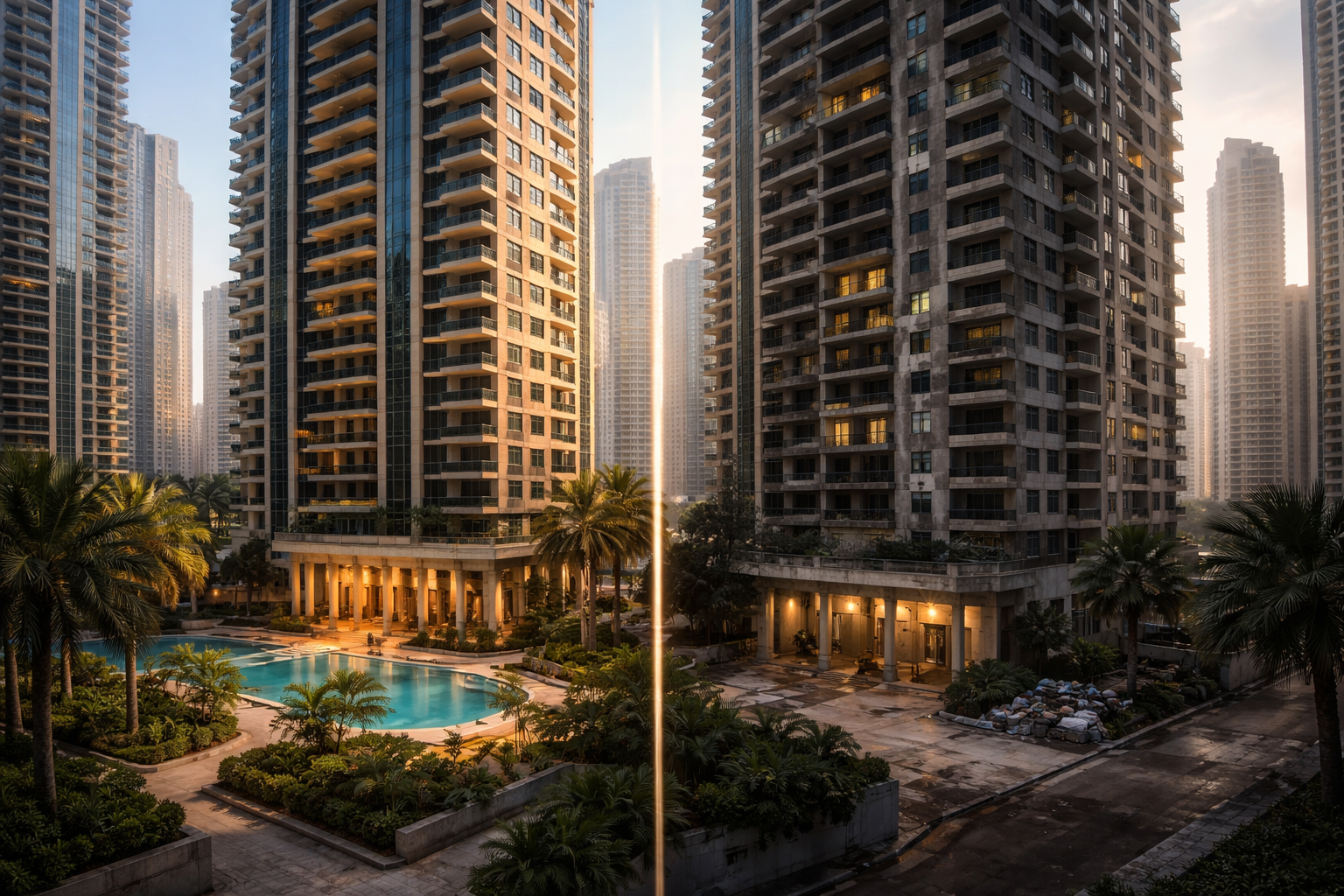
Two towers can look the same from the outside, but life inside them can feel very different. One building runs smoothly, repairs get handled on time, lifts keep moving, and the accounts stay in good shape. Another building may face broken systems, slow fixes, unpaid fees, and prolonged disputes between owners and management. Dubai has hundreds of freehold buildings spread across the city, and not all of them age in the same way. Some keep their value and comfort year after year. Others slowly slip as maintenance is neglected and costs rise.
The Dubai Land Department publishes service charge records and building ratings so buyers can see how a building operates in practice. A few minutes spent reviewing those details can save significant stress later. A low price feels nice at first, but an apartment inside a troubled building stops feeling like a bargain once the problems begin to show.
Skipping the Snagging Process
A brand-new home can still have small problems, such as paint marks, loose fittings, leaks behind walls, or air conditioning that does not work as intended. Dubai law gives buyers the right to report defects after handover, but that right is only effective if they know what to look for. Without proper inspection, many issues go unreported in a timely manner.
A professional snagging report costs between AED 1,000 and AED 3,000. That might feel like an extra expense at first, but it is small compared to the cost of fixing bigger damage later. One tiny leak left alone can turn into stained ceilings or damaged walls a year later, and that repair bill lands straight on the owner.
Underestimating Maintenance
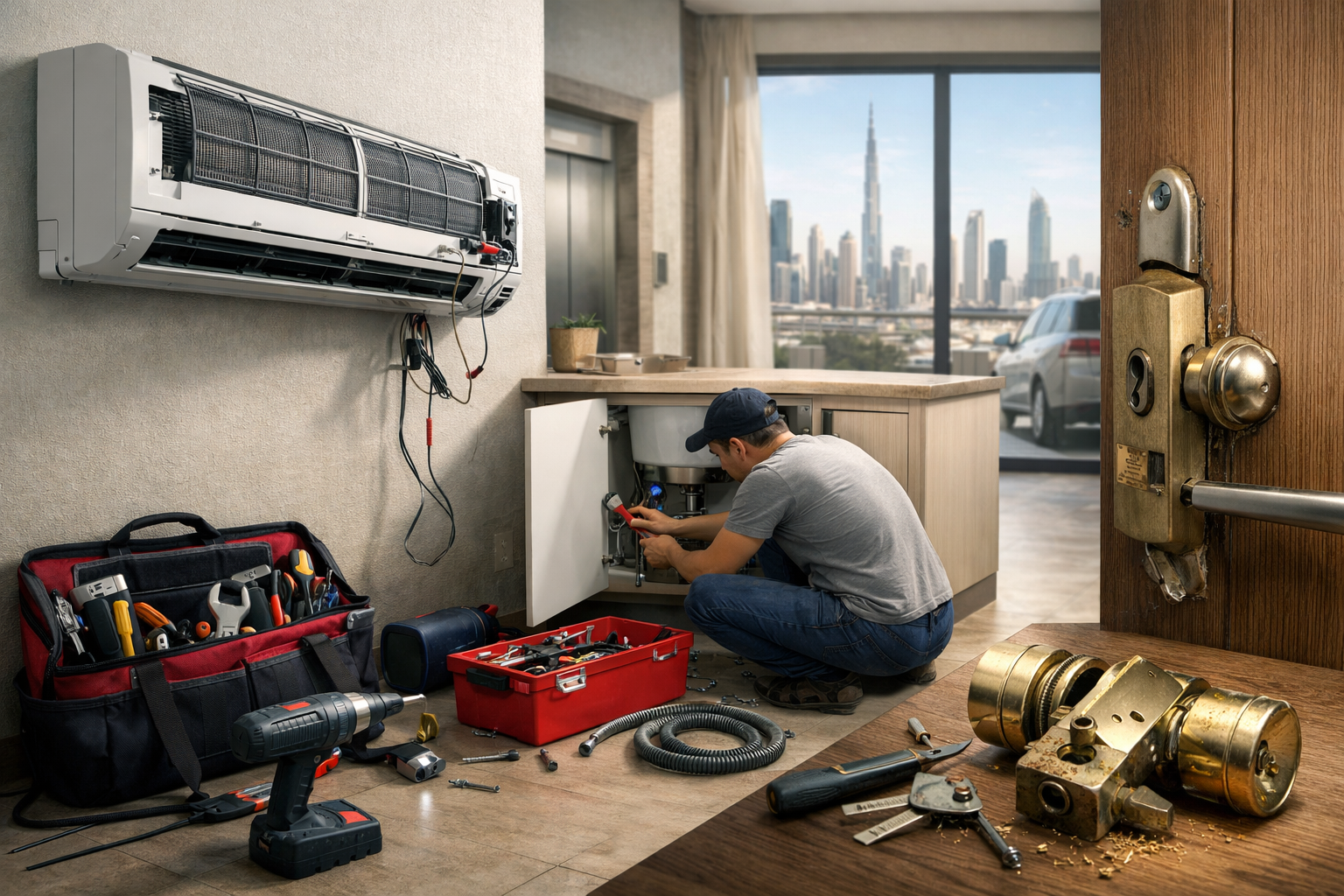
Things inside a home never last forever. Air-conditioning units stop working, water heaters fail, and door locks wear down after daily use. In Dubai, apartment owners handle everything in their own units, with the building managing only shared spaces such as corridors, lifts, and parking areas. A simple AC repair can cost between AED 500 and AED 1,500 in many cases. Full replacements can run into several thousand dirhams. Those costs surprise owners the first time something breaks inside the home. A little planning and a few trusted repair contacts make those moments much easier to handle.
Skipping legal checks
Every property deal in Dubai is governed by paperwork, from title deeds to developer approvals and full payment records. One missing document can delay or even prevent a sale. Lawyers and conveyancers handle these details because their role is to identify issues before they become serious. Their fees feel small when compared to the risk of signing the wrong contract. One careless signature can create years of stress that no one wants to be associated with their home.
Not Considering Exit Plans
No one buys a home expecting to sell it in a bad way. Plans change, jobs move, families grow, and life rarely follows a straight line. Properties in areas near metro stations, schools, and shopping centres continue to attract buyers and tenants. Homes tucked away in isolated projects feel much harder to move once the market cools. The easier a property is to sell or rent, the safer it feels when plans need to change.
Final Thought
Homeownership in Dubai works best when the numbers feel right, and expectations stay realistic from the start. People who take time to understand what they are buying feel more confident as the years go by. Prices rise, rents generate income, and equity slowly builds in the background. However, mistakes still happen, since no deal ever feels perfect, but they hurt far less when spotted early. A home should feel like a place that supports everyday life, not something that keeps causing worry. A little planning at the start goes a long way toward making that happen.
If buying a home in Dubai feels confusing or heavy right now, a clear conversation can change that. A good property decision starts with real numbers and honest advice, not pressure.
Contact our real estate team that knows the market, the buildings, and the paperwork, so the next step feels calm, simple, and right for you.