RENTING
Dubai Tenancy Contracts & Laws Guide
Moving into a brand-new apartment in Dubai is a huge deal. One day, you are looking at high-rise towers with sea views, and the next, you are holding the keys to a quiet spot lined with trees. That feeling of walking into a fresh space is great, but the paperwork can feel a bit heavy. The good news is that the rules in the UAE real estate market are in place to keep things fair for everyone. These rules take away the worry about unexpected rent hikes or sudden move-out dates, and provide a solid safety net for a home.
This guide covers the must-know facts about RERA, the Ejari system, and handling repairs. It will make the whole process of finding and keeping a home in Dubai a lot smoother.
Key Takeaways
- Dubai tenancy contracts list rent, payment terms, lease period, and responsibilities. Most agreements run for one year.
- All rental contracts must be registered through Ejari to make the agreement legally valid and activate utilities.
- Rent increases follow the RERA Rental Index and require 90 days’ notice before renewal.
- Tenants pay a 5%–10% security deposit, which is returned upon return of the property in good condition.
- Eviction requires 12 months’ legal notice if the landlord plans to sell, move in, or carry out major repairs.
What is a Tenancy Contract?
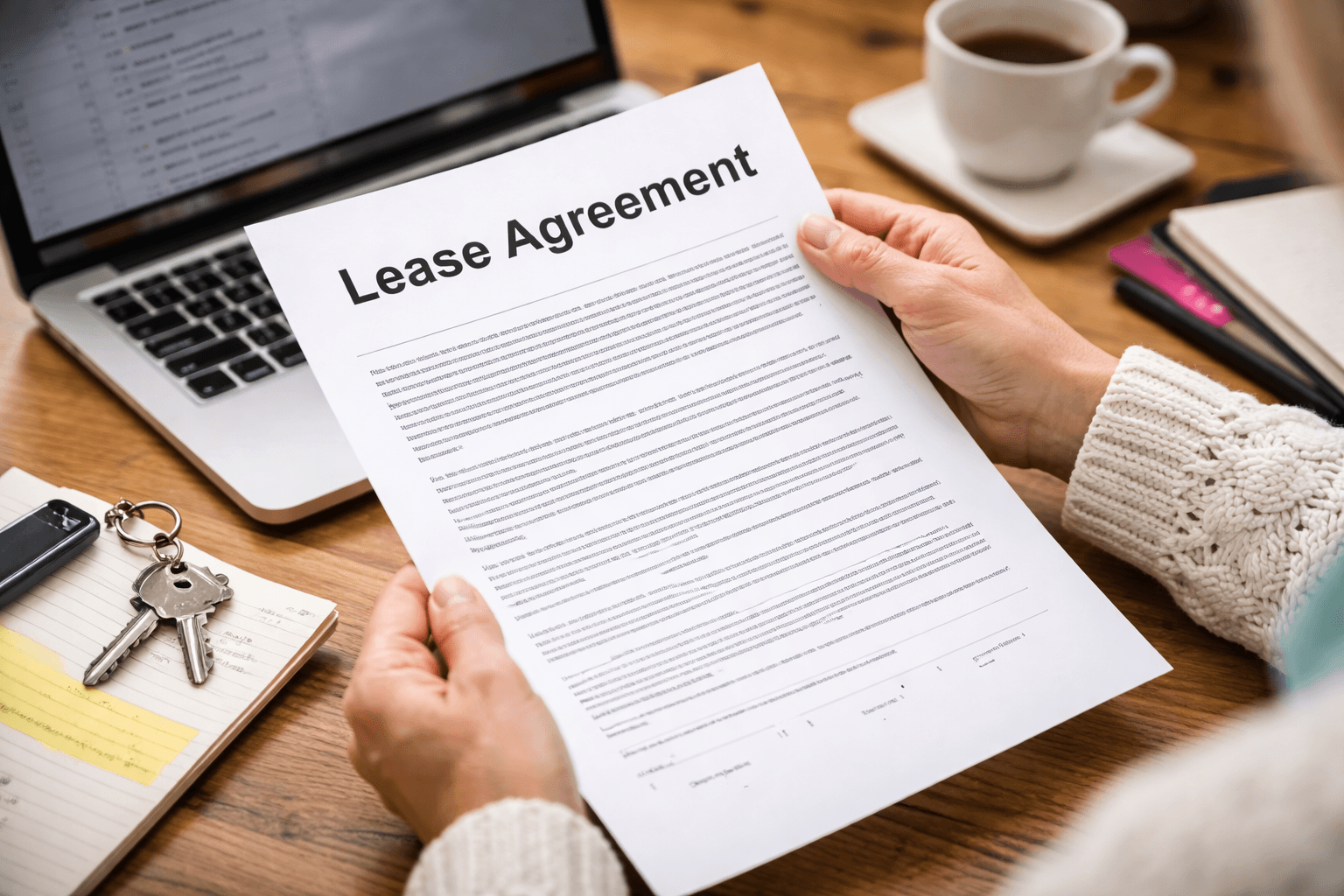
A tenancy contract is a legal agreement between a landlord and a tenant. It outlines the conditions for renting a property, like the rent amount, payment schedule, lease duration, and responsibilities of both parties.
In Dubai, most tenancy contracts run for one year. The contract may be renewed if both parties agree to extend the lease.
Every standard contract includes specific details:
- Full names of the landlord and the tenant.
- Passport or Emirates ID copies for everyone involved.
- The exact address and building name.
- The total rent for the entire year.
- The number of checks used for payment.
Rent in Dubai is paid in post-dated cheques. Most landlords ask for one, two, or four checks.
The specific terms in the agreement hold a lot of weight. These points explain:
- Who handles the costs for a broken pipe or a leaky AC unit?
- The exact number of days for a move-out notice.
- The specific amount for any late payment fees.
- Rules for bringing pets into the building.
- Whether the walls need a fresh coat of paint before moving out.
Reading each clause before signing can prevent problems later.
What is Ejari in Dubai?

Dubai requires all tenancy contracts to be registered through Ejari, which means “my rent” in Arabic. The system was introduced by the Dubai Land Department to regulate the rental market.
Without an Ejari certificate, you cannot have your electricity and water connected, get an internet connection or a parking permit.
The registration process is simple. A tenant or landlord submits the signed tenancy contract, Emirates ID, passport copy, title deed, and other supporting documents. Usually, the tenant pays the fee, which is around AED 220.
This piece of paper is your proof that the contract is legal. If you ever have a disagreement with your landlord, the authorities will first ask for your Ejari.
Key Laws Governing Dubai Rentals
Dubai tenancy contracts are governed by Law No. 26 of 2007, which regulates the relationship between landlords and tenants. The law was later updated through Law No. 33 of 2008.
These laws outline the rights and duties for both sides:
- A landlord must provide a property that is safe and ready for a tenant to move into.
- Major repairs to the building or main systems are usually the landlord’s responsibility.
- Tenants must pay the agreed rent on the dates listed in the contract.
- A landlord can initiate an eviction only if the rent remains unpaid for 30 days after a formal written demand is sent.
- A home meant for living cannot be used as an office or a shop.
- No one can change the rent or main terms without giving a written notice at least 90 days before the current lease ends.
- Both sides must respect the full length of the contract unless they both agree to end it early.
The Real Estate Regulatory Agency (RERA) watches over all these matters. They make sure everyone follows the rules and stays on the right track.
How Rent Increases Work?
Can a landlord just decide to raise the rent because the market is doing well? The answer is no. There is a specific law, Decree No. 43 of 2013, that controls this.
A landlord must give a tenant a 90-day notice before the contract ends if they want to change the rent. If they miss this window, even by one day, they cannot change the price for the next year.
The amount they can increase the rent depends on the RERA Rental Index, an online tool that lets you enter your area and building type. It tells you the average market rate.
- If your rent is less than 10% below the market average, no increase is allowed.
- If it is 11% to 20% below, the landlord can ask for a 5% increase.
- If it is 21% to 30% below, they can ask for 10%.
- If it is 31% to 40% below, a 15% increase is allowed.
- The maximum increase allowed is 20%, but only if your rent is more than 40% below the average.
Always check the calculator yourself before agreeing to a higher price.
Security Deposits and Fees
When signing a new deal, planning for extra costs is as important as the rent itself. These payments happen at the start and cover everything from the agent's work to the upkeep of the building.
The security deposit acts as a safety net for the landlord. The amount depends on the furniture inside the home:
- For an unfurnished apartment, the deposit is 5% of the annual rent.
- For a furnished one, the deposit is 10% of the annual rent.
Landlords hold the money until the move-out date. The sum pays for any major damage caused to the property. It cannot be used for normal wear and tear, like small scuffs on the floor or fading paint.
On top of that, you have to pay a housing fee to the Dubai Municipality. This is 5% of your annual rent, but it is split into 12 parts and added to your monthly water and electricity bill.
Maintenance Responsibilities
Who fixes a leaking tap or a broken AC? Most contracts have an AED 500 rule for apartments and an AED 1,000 rule for villas. So, for an apartment, the tenant pays for minor repairs under 500 AED. The landlord pays for anything over that amount.
Major items, such as the main AC unit, plumbing inside the walls, and electrical wiring, are the landlord's responsibility. Make sure this is written clearly in the "Additional Terms" section of your contract. If the AC stops working in the middle of summer, you want to know the landlord will fix it quickly.
Ending the Contract Early
Sometimes people lose a job or have to move back home. If you need to leave before the year is up, look at your contract. Most agreements have a penalty for early termination, commonly two months of rent.
You must give the landlord a notice period, usually 90 days. If you just leave without notice, you might lose your deposit and still owe money. Talk to your landlord as soon as you know you need to move. Sometimes they are willing to negotiate if you help them find a new tenant.
The Eviction Process
A landlord cannot just tell you to leave next month because they want to sell the house or move in themselves. There are very strict rules for eviction under Law No. 33 of 2008.
The landlord must give you 12 months' written notice sent through a notary public or by registered mail. They can only do this for four reasons:
- They want to sell the property.
- They want to move into the property themselves (or their first-degree relative).
- The property needs major repairs that cannot be done while you are living there.
- The property needs to be demolished.
If they evict you because they want to move in, they cannot rent the place out to someone else for at least two years. If they do, you can sue them for compensation at the Rental Dispute Centre.
What to Check Before Signing
Before you hand over your checks, do a few checks of your own.
The Landlord's Identity: Request a copy of the landlord’s passport and the property's Title Deed. Make sure the names match.
The Manager: If a property management company is involved, ask for their RERA license. Never give a check to an individual who says they work for a company without verifying it.
Service Charges: Check if the landlord is up to date on building service charges. If they aren't, the building management might block your access to the gym or pool.
The Condition: Take photos of everything during the move-in inspection, like small scratches on the floor or marks on the walls. It is your proof when you want your deposit back later.
Solving Disagreements
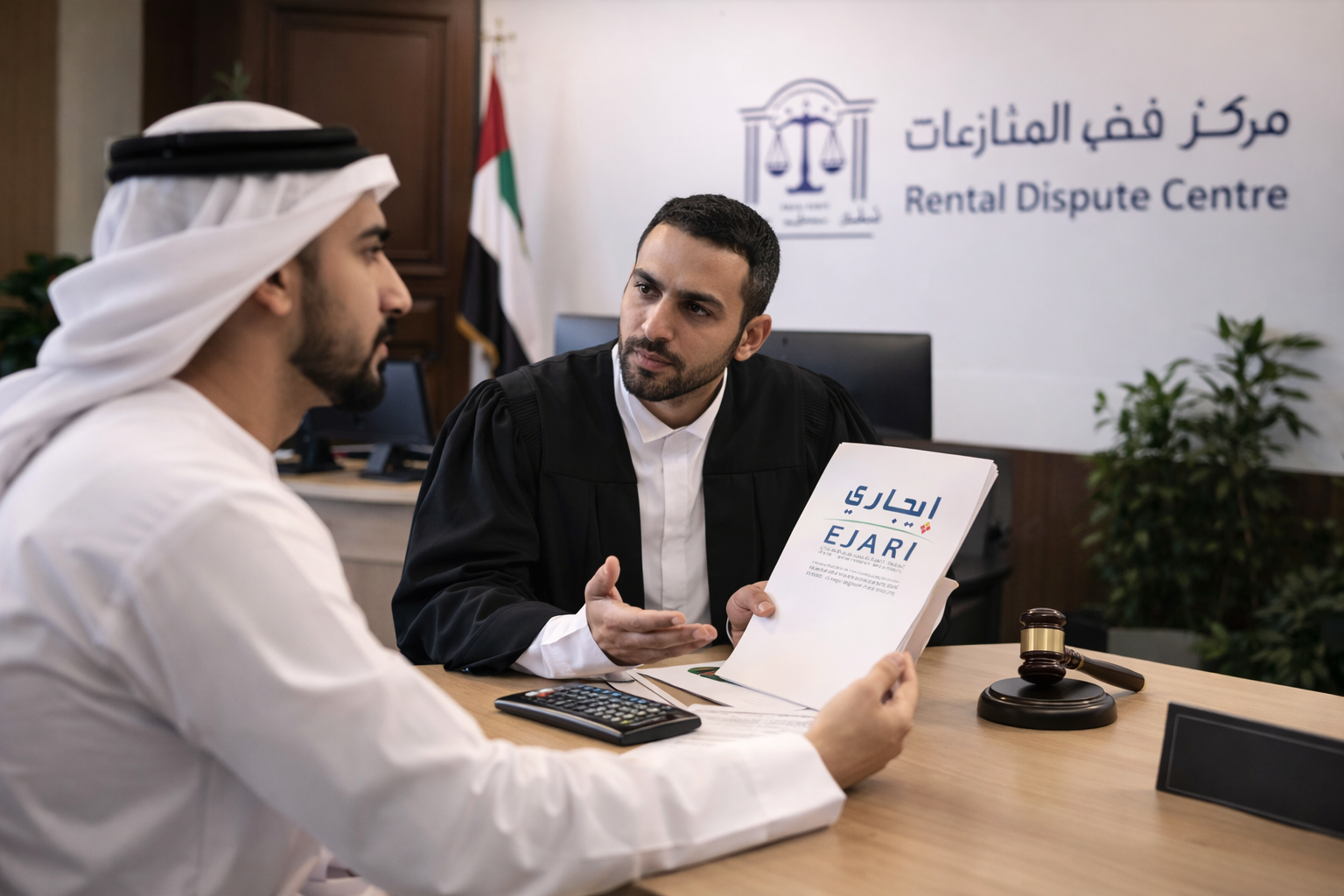
Sometimes, despite your best efforts, a problem arises. If you and the landlord cannot agree, you go to the Rental Dispute Centre (RDC), operating under the Dubai Land Department.
It costs 3.5% of your annual rent to file a case (with a minimum of AED 500 and a maximum of AED 20,000). Most cases are settled through mediation. A judge will look at the Ejari contract and the law to make a fair choice. It is a very efficient system, but it is always better to try to talk it out with the landlord first.
Moving Out
When your contract ends, and you decide to move, you need to leave the place in good condition. Most people hire a professional cleaning company. You should also get a "move-out" clearance from the building management.
Once you return the keys, the landlord should return your deposit. They might deduct money for painting or repairs if you caused damage. Normal paint fading or small carpet marks are considered wear and tear, and they shouldn't charge for that.
Final Thoughts
The rental system in Dubai operates under a well-structured framework designed to protect the landlord and the tenant. Specific rules for rent increases, eviction notices, and contract registration bring a sense of order to the whole market. Anyone planning to rent a property in Dubai benefits from learning these basics before signing any papers. Awareness of the rules keeps the process smooth and helps avoid disagreements later. A well-defined legal framework plays a major role in supporting the growing population and keeping the housing market stable for everyone.
Our experts know every detail of the RERA laws and the Ejari system to ensure a stress-free move. We handle the paperwork and the negotiations so anyone can focus on enjoying a new space.
List your property with us today to find a tenant who respects your investment and pays on time.